

India is preparing to revolutionize urban transport with electric flying taxis (eVTOLs) after successful trial flights in Bengaluru. These zero-emission vehicles, designed to reduce traffic congestion, promise to be a cleaner, faster alternative to traditional petrol and diesel transportation.
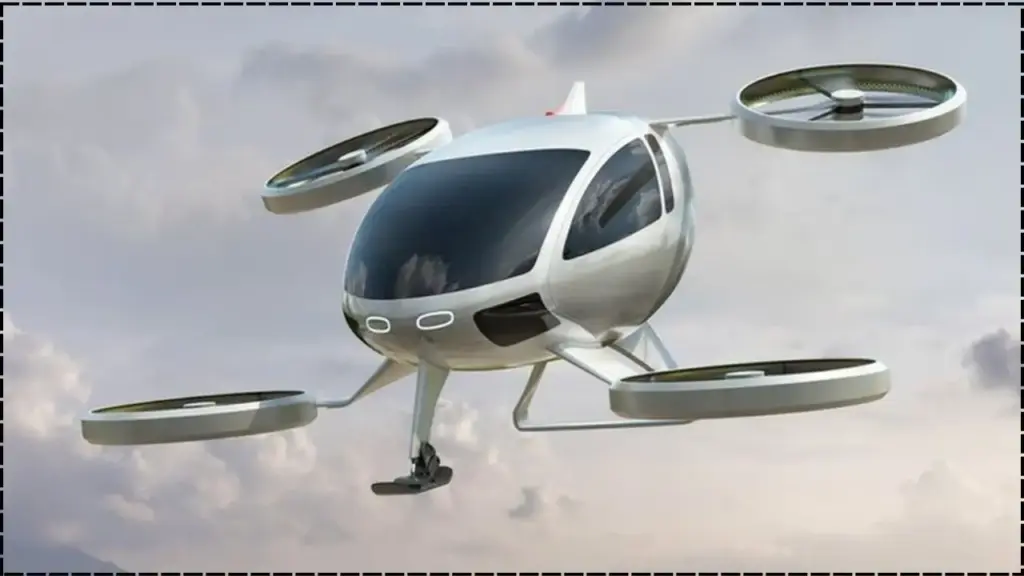
With a roadmap for commercial operations by the late 2020s, the country is moving closer to adopting urban air mobility on a mass scale.
What Are Flying Taxis and eVTOLs?
Understanding eVTOL Technology
Flying taxis, technically known as electric vertical takeoff and landing (eVTOL) aircraft, are electric-powered vehicles designed to take off and land vertically. These vehicles are capable of carrying passengers over short to medium distances in urban environments, bypassing road traffic entirely.
Unlike traditional helicopters, eVTOLs use electric motors powered by batteries rather than fossil fuels, making them more sustainable and environmentally friendly. The aircraft are designed to operate at lower altitudes and use multiple rotors to generate lift, allowing for vertical takeoff and landing (VTOL) without the need for long runways.
They also offer the benefit of quiet operation, reducing noise pollution — a common concern in urban areas.
These flying taxis will be able to transport passengers across urban air corridors within major cities, effectively creating a new layer of transportation to complement traditional ground and rail travel.
Successful eVTOL Trials: A Step Towards Urban Air Mobility
Bengaluru Becomes the Test Bed for Flying Taxis
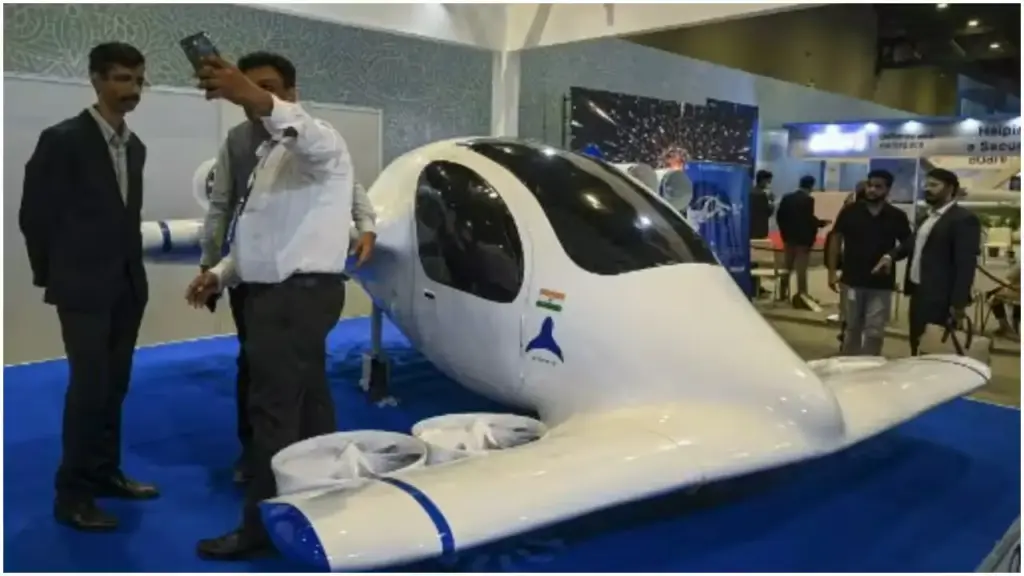
In February 2026, Bengaluru made history by becoming one of the first cities in India to host successful eVTOL trial flights. The aircraft, developed by Indian aerospace startup, SkyTaxis, completed vertical takeoff, a steady hover, and a safe landing, demonstrating that the technology works in an urban environment.
The trials involved a two-passenger electric aircraft, designed for short, low-emission flights. The aircraft’s battery-powered motors allowed it to hover and transition into forward flight with no reliance on fossil fuels, proving the feasibility of using these aircraft for short urban commutes. (Source)
SkyTaxis, a Bengaluru-based company, is collaborating with the Indian Ministry of Civil Aviation (MoCA) and Directorate General of Civil Aviation (DGCA) to set regulatory frameworks and flight standards to ensure eVTOLs are safe for public use. This step brings India closer to the commercial deployment of flying taxis in major urban centers. (Source)
The Role of the Ministry of Civil Aviation (MoCA)
The Ministry of Civil Aviation (MoCA) is actively supporting eVTOL development, aiming to create air corridors for urban air mobility (UAM) by 2028.
The ministry is working closely with companies like SkyTaxis and AeroTech India, a leading manufacturer of electric aircraft, to develop certification standards, airspace integration rules, and safety protocols for eVTOL operations.
A regulatory framework is being designed to address air traffic management, which will be critical as more flying taxis begin to operate in crowded airspace.
This will also include infrastructure development, such as vertiports (airports for vertical takeoff and landing), that will facilitate eVTOL operations in highly populated cities. (Source)
Why India Is Perfect for Flying Taxis
Addressing Traffic Congestion
India’s cities, including Delhi, Bengaluru, and Mumbai, are among the most congested in the world, with long commutes that often stretch to several hours daily. With air taxis flying directly above traffic, flying taxis can dramatically reduce travel time.
A trip from the airport to the city center that takes an hour or more by road could be reduced to just 20 minutes by flying taxi. This would ease congestion, improve commuter productivity, and lead to more efficient transportation across major Indian cities.
Environmental Benefits: Zero Emissions
The global shift towards electric vehicles is also being mirrored in aviation. Flying taxis are powered by electricity, making them a zero-emission transportation solution.
As India pushes towards achieving its climate goals and reducing carbon emissions, eVTOLs provide a sustainable solution to urban mobility.
By 2030, India aims to increase the adoption of electric vehicles (EVs) to 30% of all new vehicles sold. Flying taxis, being fully electric, align perfectly with this climate ambition by reducing the carbon footprint of short-distance air travel.
🚨 InterGlobe Enterprises and Archer Aviation announce plans to launch Electric Air Taxi Service across India by 2026. pic.twitter.com/8UAZQivtHM
— Indian Tech & Infra (@IndianTechGuide) November 10, 2023
Reducing Urban Air Pollution
Indian cities struggle with severe air pollution due to a high dependence on petrol and diesel vehicles. Transitioning to flying taxis that are powered by renewable electricity could significantly reduce emissions and improve air quality.
The introduction of electric air taxis would complement other sustainable initiatives, such as electric buses and green vehicles, in combating air pollution.
The Path Ahead: From Trials to Commercial Service
Expected Timeline for Commercial Launch
While the trials have been successful, the transition from concept to reality will require significant effort in terms of infrastructure, regulation, and public acceptance.
However, India’s ambitious timeline suggests that flying taxis could become a commercial reality by 2026, with pilot operations beginning in select corridors in Bengaluru and Delhi NCR.India’s government is backing the initiative, with the National Civil Aviation Policy expected to outline clear frameworks for urban air mobility and electric aircraft operations by 2025.
These policies will likely include funding for vertiports, airspace management systems, and the establishment of safety guidelines for operators and passengers.
Vertiports and Infrastructure Development
For flying taxis to become viable, India will need to build an extensive network of vertiports—designated areas for vertical takeoff and landing. These will likely be integrated into existing airports, urban centers, and commercial hubs to reduce costs and increase accessibility.
Early vertiport installations are expected to be concentrated in high-density areas like business districts, airports, and transport hubs. They will offer quick connections to flights for passengers looking to avoid congested ground routes.
Challenges Ahead: Certification, Safety, and Airspace Management
Certification of Aircraft
A major hurdle to overcome before flying taxis can take to the skies is the certification of aircraft. The Directorate General of Civil Aviation (DGCA) is working closely with eVTOL manufacturers to ensure safety and airworthiness standards are met.

India’s regulatory framework must be developed to ensure eVTOLs are safe for use in populated urban areas.
Additionally, aircraft manufacturers must work towards battery technologies that can support longer flight times, heavier payloads, and faster recharge cycles, making eVTOLs a practical solution for everyday use.
Airspace Integration and Traffic Management
Integrating flying taxis into existing airspace systems will require advanced traffic management solutions. India’s air traffic control system will need to be upgraded to handle the influx of eVTOLs operating in urban air corridors.
This includes developing collision avoidance systems, traffic routing algorithms, and real-time monitoring tools.
Global Trends in Urban Air Mobility
India is not alone in its push for urban air mobility. Countries across the globe are actively exploring and testing eVTOL technology:
- Europe and the United States: Leading companies like Joby Aviation and Lilium are preparing to launch commercial eVTOL flights in cities such as Los Angeles and Frankfurt. The European Union is already developing regulatory frameworks for air taxis, which could serve as a model for India.
- China: China has made substantial investments in urban air mobility with companies like EHang testing eVTOLs for cargo and passenger transport in major cities.
- Dubai: Dubai has already initiated commercial tests with eVTOL air taxis and aims to have them in full operation by 2026.
A New Era for Urban Transport
Flying taxis represent a revolutionary change in how people travel in dense urban environments. India’s successful trials are an encouraging sign that electric urban air mobility will soon become an integral part of the transportation system.
With a sustainable, efficient, and quick alternative to road transport, these zero-emission air taxis could offer faster commutes, reduce air pollution, and lead to greener cities.
As India prepares for the commercial launch of flying taxis in the coming years, the world watches closely as a new chapter in urban air mobility begins to take flight.
FAQs
What are flying taxis?
Flying taxis, or eVTOLs, are electric aircraft designed for vertical takeoff and landing. They provide a clean, fast alternative to traditional transport, helping to reduce traffic congestion in urban areas.
When will flying taxis be available in India?
Pilot flights for eVTOLs are expected to begin in select Indian cities like Bengaluru and Delhi by 2026, with commercial operations potentially starting shortly thereafter.
What are the benefits of flying taxis?
Flying taxis reduce travel time by bypassing road traffic, offer zero-emission transport, and contribute to sustainable urban mobility solutions.