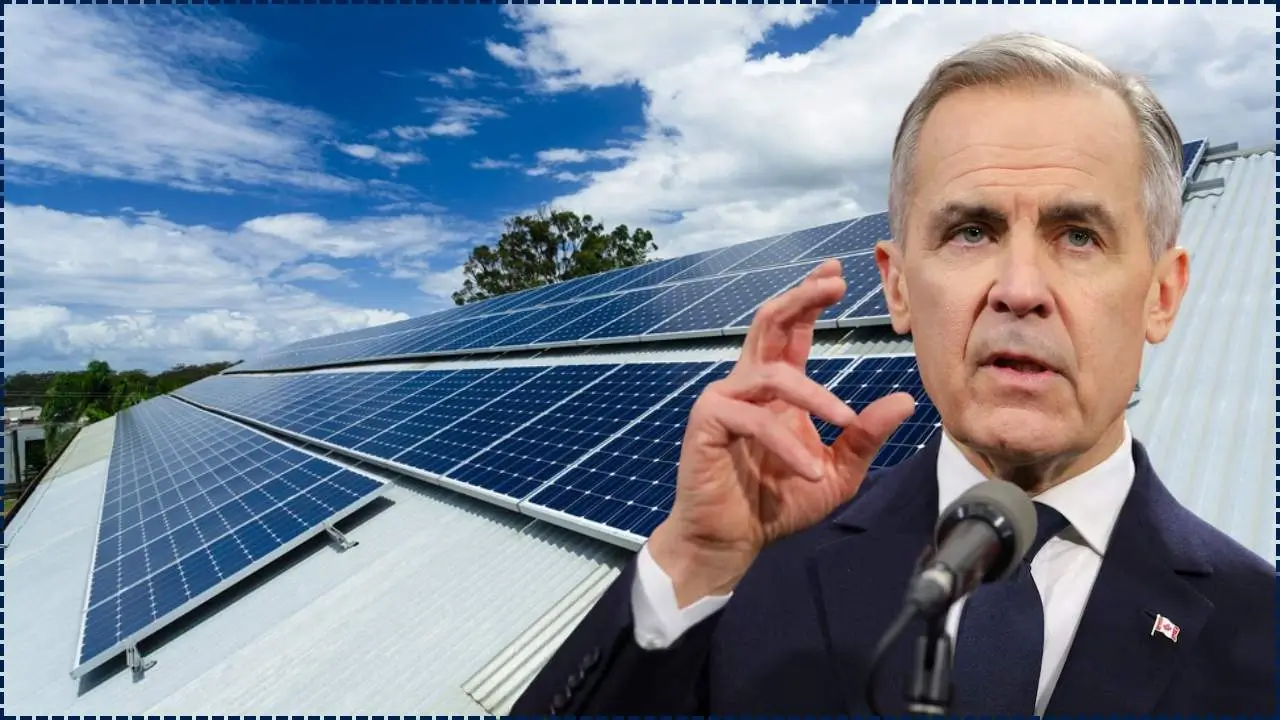

Germany reached a significant clean‑energy milestone in 2025, surpassing 106 gigawatts (GW) of installed solar photovoltaic (PV) capacity. This achievement further solidifies Germany’s status as one of the world’s largest solar markets, as the country’s shift toward renewable energy intensifies.
The installed capacity now contributes a notable portion to the country’s electricity supply, making solar one of the major pillars of its clean energy transition. While this achievement is undoubtedly a triumph for Germany’s climate goals, it also underscores a critical issue: Germany’s growing reliance on solar panel imports, particularly from China.
As the world’s leading manufacturer of photovoltaic cells and modules, China’s dominance in the solar supply chain presents both an opportunity for affordable, high‑quality solar products and a challenge for Europe’s energy security.
As the solar industry in Germany flourishes, experts are closely examining China’s hold on the global PV manufacturing sector and the implications for Europe’s future energy and trade policies. (renewablesnow.com)
Germany Hits 106 GW Solar Milestone
| Key Fact | Detail/Statistic |
|---|---|
| Germany’s PV capacity | Surpassed 106.2 GW by the end of 2025 |
| PV import share | ~88% of solar panels imported to Germany from China in 2025 |
| Growth in installations | Over 16 GW of solar systems were added in 2025 |
| China’s global PV dominance | China is responsible for ~70% of global solar production |
Germany’s Solar Energy Milestone
Germany has long been a leader in solar energy deployment, beginning with early investments in renewable energy in the 2000s. In recent years, solar power generation in Germany has skyrocketed, driven by aggressive climate targets, rising energy prices, and government incentives designed to reduce the nation’s reliance on fossil fuels.
By 2025, the solar sector in Germany reached 106.2 GW of installed capacity, accounting for around 15% of the country’s total electricity generation. Solar power is now Germany’s second‑largest renewable energy source after wind power, continuing to grow as part of its broader Energiewende (energy transition) strategy.
In 2025 alone, the country added approximately 16 GW of new solar capacity, reinforcing the fact that solar energy remains one of the most affordable and scalable renewable energy technologies available today.
China’s Hold on the Solar Industry Supply Chain
Despite these impressive domestic gains, Germany remains heavily reliant on imported solar modules, with approximately 88% of its solar imports coming from China. China’s dominance in the global photovoltaic supply chain is the result of several factors:
- Large‑scale manufacturing capabilities: Chinese solar manufacturers dominate production across the entire supply chain—from polysilicon production to final solar module assembly.
- Government support: The Chinese government has heavily subsidized its PV manufacturing sector through favorable policies, tax incentives, and investment in infrastructure.
- Economies of scale: The sheer scale of China’s operations allows manufacturers to produce solar panels at much lower costs than those in Europe or North America, making Chinese products highly competitive.
- Established trade routes: With China leading the charge, its global solar exports are efficiently delivered through established logistics and supply chains, making it the default supplier for many countries, including Germany.
China’s global share of solar production has risen from approximately 60% in 2015 to more than 70% by 2025, cementing its position as the undisputed leader in photovoltaic technology.
The cost efficiency of Chinese solar panels has been a key factor in their global proliferation. In the case of Germany, the low cost of Chinese panels allows the country to rapidly deploy new solar systems without a heavy burden on capital expenditure. This has helped make solar power one of the most economically viable energy sources for consumers and businesses alike.
The Impact of China’s PV Manufacturing Control on Germany’s Solar Future
Germany’s reliance on Chinese solar panel imports has raised both opportunities and risks. As Germany continues to meet its renewable energy goals, the dominance of China in the solar supply chain poses some critical questions:
Geopolitical Risks
As global tensions rise, particularly in trade relations and technology transfer, Germany and the broader European Union (EU) may face risks in their continued dependence on China for critical renewable energy infrastructure.
For instance, trade disputes, import tariffs, or diplomatic tensions could disrupt the steady flow of Chinese panels, which would slow Germany’s solar installation capacity. The ongoing geopolitical instability has prompted calls for Europe to bolster its energy independence and manufacturing capacity for PV technologies.
Supply Chain Diversification
While Germany benefits from low-cost imports, experts suggest the need to diversify the supply chain. Europe has already begun efforts to rebuild its solar manufacturing capacity. The EU’s Net‑Zero Industry Act (proposed in 2025) aims to increase domestic production of clean technologies, including solar panels.
This could help reduce Europe’s reliance on China and create more local jobs in the solar manufacturing sector. However, such changes may take several years to materialize and face challenges related to cost and competitiveness.
Environmental Concerns
Although the economic benefits of importing Chinese solar panels are clear, concerns over environmental impact remain. Critics of globalized trade networks argue that Europe should focus on localizing production of solar panels and related technologies to lower carbon emissions related to long‑distance shipping.
Moreover, the extraction of raw materials such as polysilicon and lithium, which are critical for solar production, can cause significant environmental harm in the countries where these materials are mined.
The Economics of Solar Deployment in Germany
The affordability of solar panels, heavily influenced by Chinese manufacturing, is key to the continued growth of Germany’s solar capacity. In 2025, the average price of solar systems fell by nearly 20% due to decreasing panel prices and manufacturing improvements.
This price reduction enabled more residential and industrial customers to invest in solar, despite the increasing demand for energy from Germany’s growing number of electric vehicles and green industrial projects.
While imports from China remain central to this cost advantage, domestic demand for solar power has continued to climb, even in the face of some slowdown in rooftop installations. Commercial-scale installations have increasingly accounted for a larger share of the solar market, highlighting the shift towards utility-scale generation as the next frontier of Germany’s solar power growth.
This trend aligns with the country’s ambitious targets to reduce greenhouse gas emissions by 55% by 2030 and achieve carbon neutrality by 2045.
Grid Integration and Storage Solutions
As Germany continues to add solar capacity, grid integration and energy storage remain key challenges. Large volumes of solar energy can create peaks in power generation, especially on sunny days, creating the risk of overgeneration or curtailment. To ensure stability, Germany will need to enhance its grid infrastructure and increase energy storage capacity.
The European Union is supporting the development of battery storage systems, grid modernization efforts, and smart grids to help manage this intermittency. Additionally, advances in hydrogen production and long‑duration storage may offer solutions to storing solar energy for longer periods.
What’s Next for Solar in Germany?
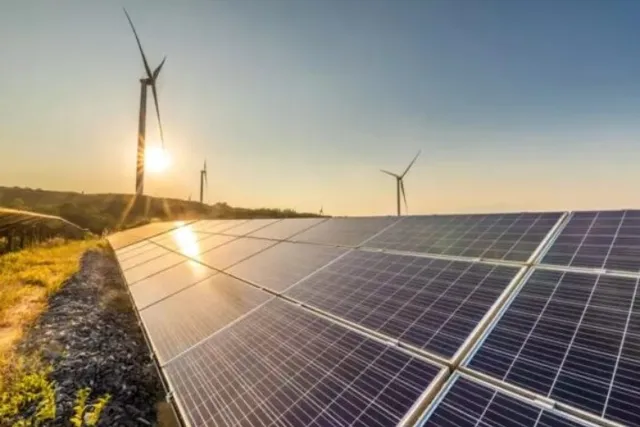
Germany is aiming for 215 GW of solar capacity by 2030, marking an ambitious increase in its solar base to meet climate neutrality goals. The country is also focused on enhancing its grid integration strategies to ensure that solar power can contribute to the national grid throughout the day.
However, several challenges remain, including the risk of relying on a single supply chain for solar panels and the economic implications of solar panel tariffs.
As Germany works to meet these renewable energy goals, strengthening European solar manufacturing and improving supply chain resilience will remain vital.
Related Links
The Battle for Plug-in Solar: Why Utilities Are Resisting Easy-to-Use Home Systems
Ripples in Spacetime: Can a 100-Solar-Mass Black Hole Merger Trigger Gamma-Ray Flashes?
Germany’s milestone of 106 GW is a testament to its commitment to renewable energy. As the country continues to scale its solar power capacity, navigating the risks posed by supply chain dependencies and ensuring energy security through diversification will be crucial in shaping Europe’s solar future.
FAQs
Why is Germany’s solar expansion significant?
Germany has been a leader in renewable energy, and surpassing 100 GW of solar capacity is a key achievement for the country’s transition to carbon neutrality by 2045.
How much of Germany’s solar panels come from China?
Approximately 88% of solar panels used in Germany are imported from China, contributing to both the country’s success and its reliance on international supply chains.
Can Germany manufacture more solar panels domestically?
The EU is working on increasing local manufacturing capacity, but challenges such as cost and competition from China will take time to overcome.
What is the EU’s plan for solar energy?
The European Union has introduced several initiatives, including the Net‑Zero Industry Act, aimed at boosting domestic production and reducing reliance on China for solar technology.