

The Global Solar Market Outlook (2025–2033): Key Trends and Growth Drivers Revealed points to a renewable energy sector entering a transformative decade.
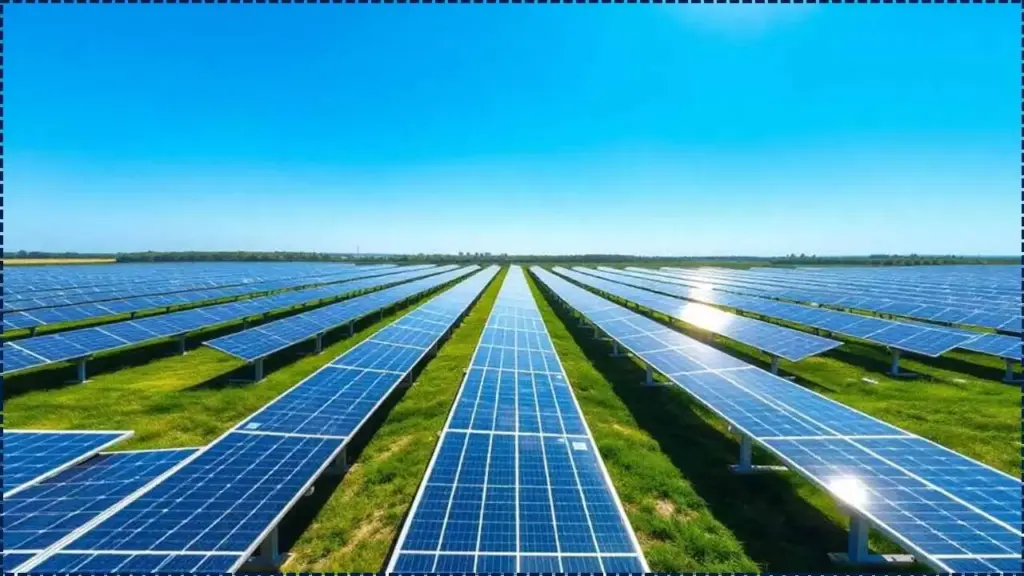
Analysts expect solar power deployment, investment, and technological innovation to accelerate worldwide as falling equipment costs, supportive government policies, and rising electricity demand reshape the global energy landscape.
Global Solar Market Outlook (2025-2033)
| Key Fact | Detail |
|---|---|
| Global solar capacity | Around 2.2 terawatts installed globally by 2024 |
| Annual installations | 550–600 GW of solar added globally in 2024 |
| Renewable expansion | 4,600 GW of renewable capacity expected by 2030 |
| Solar share | Solar expected to drive around 80% of renewable growth |
The Global Solar Market Outlook (2025–2033)
Solar power is becoming one of the defining technologies of the global energy transition. Energy analysts say solar photovoltaics have shifted from a niche renewable technology to a central component of electricity generation strategies worldwide.
According to the International Energy Agency (IEA), renewable electricity capacity could expand by nearly 4,600 gigawatts by 2030, with solar accounting for the majority of that growth. Rapid solar deployment is occurring across both developed and emerging economies, reflecting a combination of economic, technological, and policy factors.
Experts say the next decade could determine whether solar power becomes the dominant source of new electricity generation globally.
Record Growth in Solar Installations
Solar energy deployment has accelerated dramatically over the past several years.Data from the IEA Photovoltaic Power Systems Programme (IEA-PVPS) indicates that between 553 and 601 gigawatts of solar capacity were installed globally in 2024, setting a new record for annual deployment.
Total installed solar capacity worldwide reached roughly 2.2 terawatts, more than doubling global solar capacity since 2020.I ndustry forecasts suggest solar installations could exceed 7 terawatts by 2030, marking one of the fastest expansions of any energy technology in history.
Several regions have driven this growth, including:
- China
- Europe
- The United States
- India
- Southeast Asia
Emerging economies are also increasingly turning to solar energy to expand electricity access and reduce dependence on imported fuels.
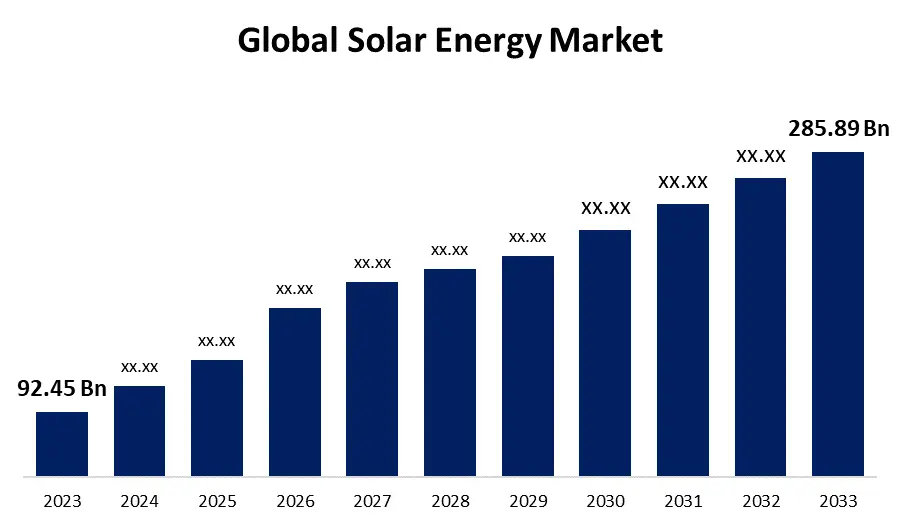
Declining Costs Transform Energy Economics
One of the primary drivers of solar expansion has been the dramatic reduction in technology costs.S ince the early 2010s, the price of solar photovoltaic modules has declined by more than 80 percent, according to energy market studies.
Economies of scale, manufacturing automation, and global supply chains have contributed to this trend. In many regions, solar power is now among the lowest-cost sources of electricity generation.
Lower battery storage costs are also helping solar power become more reliable.L arge-scale battery systems allow electricity generated during daylight hours to be stored and used during evening peak demand periods.
This development is accelerating the adoption of solar-plus-storage projects in energy markets worldwide.
Government Policies Accelerating Solar Deployment
Public policy continues to play a central role in shaping the solar market. Several major economies have introduced legislation designed to accelerate clean energy deployment.Examples include:
- The Inflation Reduction Act (United States), which offers tax incentives for renewable energy investments
- The European Union Green Deal, aimed at achieving climate neutrality by 2050
- China’s renewable energy expansion programs
- India’s solar development initiatives
These policies provide financial incentives, regulatory support, and market certainty for renewable energy developers. Energy analysts say stable policy frameworks are essential for long-term infrastructure investments.H owever, regulatory uncertainty can slow solar deployment in some markets.
Regional Solar Market Leaders
China
China dominates global solar manufacturing and installation.T he country produces a majority of the world’s photovoltaic panels and continues to build large utility-scale solar facilities. China’s manufacturing scale has significantly lowered solar panel costs worldwide.
Europe
Europe has rapidly expanded solar capacity following the energy crisis triggered by rising fossil-fuel prices and geopolitical tensions. Several European countries now rely heavily on solar power during peak daytime demand.
United States
The United States remains one of the largest solar markets.Federal incentives and state renewable energy policies have accelerated both utility-scale and rooftop solar installations.
Emerging Markets
Developing countries are expected to drive the next phase of solar growth.Solar power offers a relatively low-cost solution for expanding electricity access in regions where grid infrastructure remains limited.
Solar Manufacturing Competition and Supply Chains
Another major factor shaping the solar market outlook is global competition in photovoltaic manufacturing.China currently dominates the global solar supply chain, producing most of the world’s solar panels and key components.

However, other regions are seeking to expand domestic manufacturing capacity.The United States and European Union have introduced industrial policies aimed at strengthening domestic renewable energy supply chains.
India has also launched manufacturing initiatives to reduce dependence on imported solar equipment.Analysts say diversification of solar manufacturing could improve supply chain resilience while supporting domestic industries.
Corporate Demand Driving Solar Investment
Private sector demand is also accelerating solar deployment.Large corporations increasingly purchase renewable electricity through power purchase agreements (PPAs).Technology companies, including major data center operators, are among the largest buyers of solar power.
Corporate renewable energy procurement helps companies meet sustainability goals while securing long-term electricity price stability.This trend has significantly expanded the market for utility-scale solar projects.
Solar and Energy Storage Integration
Energy storage is becoming an essential part of the solar power ecosystem.Because solar generation fluctuates with weather and daylight, batteries help stabilize electricity supply.
Battery storage systems allow excess solar energy to be stored during the day and used later when demand is higher.Grid operators increasingly rely on solar-plus-storage projects to manage renewable energy variability.
Analysts say rapid improvements in battery technology could further accelerate solar deployment.
Solar Workforce and Job Growth
The solar industry has also become a major source of employment. According to international energy employment reports, millions of workers are now employed in solar manufacturing, installation, and maintenance worldwide. Solar jobs often include:
- Manufacturing of photovoltaic modules
- Installation of solar panels
- Engineering and project development
- Maintenance and grid integration
As solar deployment expands, the sector is expected to generate significant employment opportunities across both developed and developing economies.
Grid Infrastructure Challenges
Despite strong growth, the solar industry faces significant infrastructure challenges. Many power grids were originally designed for centralized fossil-fuel power plants rather than distributed renewable generation.
Integrating large amounts of solar power requires:
- New transmission lines
- Grid modernization
- Advanced energy management systems
Transmission bottlenecks have already delayed renewable projects in several countries. Experts say investment in grid infrastructure will be critical to sustain solar growth.
Environmental and Sustainability Considerations
Although solar energy is considered environmentally beneficial, large-scale deployment can create new challenges. Utility-scale solar farms require significant land areas, which can sometimes lead to conflicts over land use.

Environmental groups also emphasize the importance of managing solar panel recycling as older panels reach the end of their operational lifespan.
Researchers are exploring methods to recover valuable materials such as silicon, silver, and aluminum from decommissioned solar panels. Sustainable recycling systems could help reduce waste and support a circular economy for renewable energy technologies.
Technological Innovation in Solar Energy
Innovation continues to improve solar performance and efficiency. Several emerging technologies could transform the industry over the next decade. These include:
- Perovskite solar cells, which may significantly increase conversion efficiency
- Tandem photovoltaic cells, combining multiple materials to capture more sunlight
- Floating solar farms installed on reservoirs and lakes
- Solar energy systems used for green hydrogen production
Research institutions and technology companies worldwide are investing heavily in next-generation solar technologies.
Investment Outlook
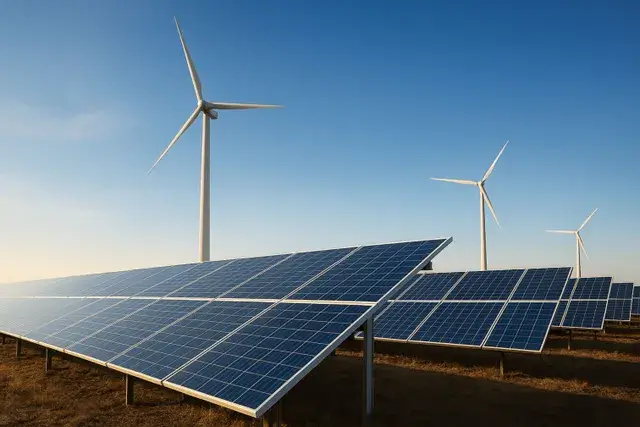
Solar power has become one of the largest sectors for energy investment. Global renewable energy investment reached record levels in recent years as governments and financial institutions prioritize climate-related infrastructure.
Financial analysts expect investment flows into solar projects to remain strong throughout the next decade. The growth of green financing, sustainability bonds, and climate funds is also supporting solar expansion.
Related Links
State-by-State Solar Guide: Which US states offer the best solar rebates in 2026?
Solar vs. Nature: Jefferson County Project Faces Backlash Over Rare Ecosystem Impact
Long-Term Outlook for the Solar Industry
The Global Solar Market Outlook (2025–2033) suggests solar power will remain the fastest-growing source of electricity generation worldwide.
Declining costs, supportive policies, technological innovation, and rising electricity demand are expected to drive sustained expansion.
However, experts emphasize that achieving this growth will require continued investment in grid infrastructure, supply chain resilience, and policy stability. If those conditions are met, solar power could become one of the central pillars of the global energy system.
FAQs
What is the Global Solar Market Outlook (2025–2033)?
It refers to industry forecasts analyzing how solar power capacity, investment, and technology development are expected to evolve over the next decade.
Why is solar energy expanding so quickly?
Declining technology costs, government climate policies, and rising electricity demand are driving rapid global solar adoption.
Which countries dominate the solar market?
China, the United States, and European countries currently lead solar deployment, while emerging markets are expected to drive future growth.