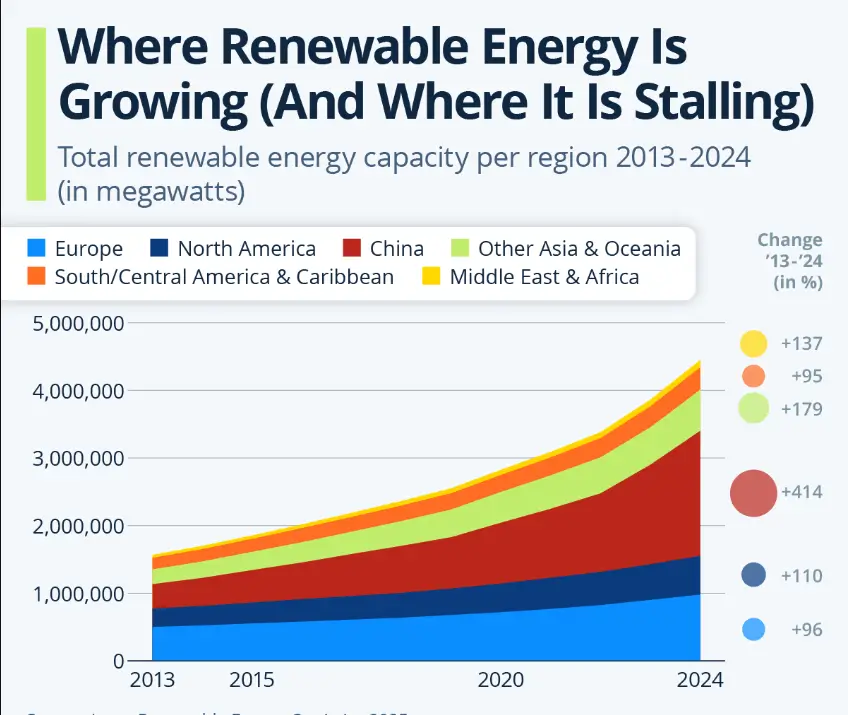
By 2030, the green energy sector is set to grow faster than ever before. Renewable capacity is expected to more than double, and with that, electricity generation from solar, wind, and hydropower will comprise nearly half of global power.
This transformation will not only create new business and investment opportunities but also present challenges in policy, technology, and infrastructure. Are we prepared to meet the pace of change, and what does this mean for governments, businesses, and consumers?
Green Energy’s Explosive Growth to 2030
The transition to renewable energy is no longer a distant goal — it is happening now, with accelerated growth expected over the next decade.
According to the International Energy Agency (IEA), the world will add over 5,500 gigawatts (GW) of renewable capacity by 2030 — nearly three times the amount added over the past decade. By 2030, renewable energy is expected to supply nearly half of the world’s electricity. (IEA)
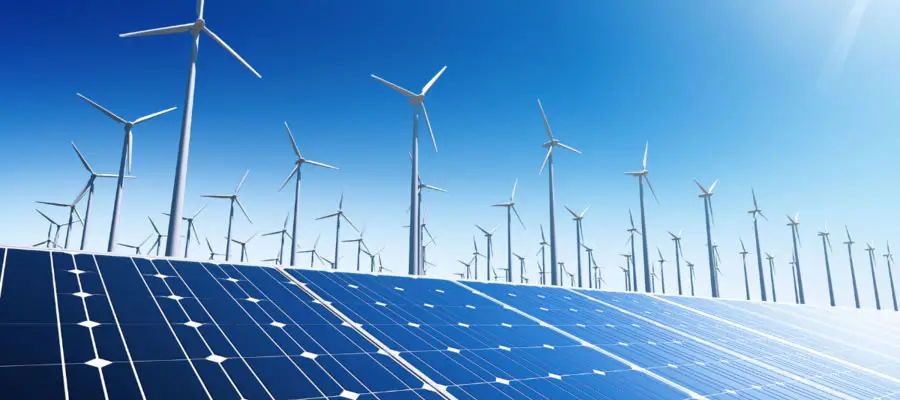
- Solar Energy: India is expected to lead the growth of solar capacity, with over 500 GW targeted by 2030. Globally, solar power is forecast to grow by 20% annually from 2025 to 2030.
- Wind Energy: Wind capacity is also expanding rapidly, with offshore wind farms expected to be a major part of the clean energy landscape. Experts predict offshore wind will contribute 20% of global electricity generation by 2030.
This shift will reduce dependence on fossil fuels and provide major opportunities for investment in renewable energy technologies.
The Rising Role of Energy Storage: The Key to Grid Integration
A critical enabler of the green energy revolution is energy storage. Batteries, pumped hydro storage, and emerging technologies like solid-state batteries will play a central role in storing excess renewable energy produced during the day and releasing it at night or during high-demand periods.
Battery Storage Advancements
- In 2026, large-scale lithium-ion batteries are expected to dominate the market, with falling prices and improved storage efficiency. These batteries store solar and wind energy generated during the day and feed it into the grid during the night.
- Pumped Hydro Storage (PHS), although traditional, is expected to remain a significant technology, providing long-duration storage for grid stability.
Global Push for Advanced Storage
The energy storage market is projected to reach USD 30 billion by 2030, driven by the need for reliable power supply and grid resilience. Countries like China and the U.S. are investing heavily in energy storage solutions to balance supply and demand, while India is exploring various solutions to integrate renewable energy into its growing grid.
Emerging Technologies in Solar and Wind Energy
The renewable energy sector is not just growing — it’s evolving. Two cutting-edge technologies are gaining traction: floating solar farms and offshore wind turbines.
Floating Solar Farms
In countries like China and India, floating solar farms are becoming more common, taking advantage of water bodies such as lakes and reservoirs to generate electricity without competing with land use. Floating systems can reduce evaporation, while providing clean energy. India’s Bharuch Floating Solar Park, one of the largest of its kind, is leading the charge in this space.
Offshore Wind Farms
Offshore wind turbines are poised to grow exponentially, with offshore wind capacity expected to increase fivefold globally by 2030. India, with its extensive coastline, has identified offshore wind energy as a key part of its green transition, with 30 GW of offshore wind capacity planned by 2030.
What This Means for Investors
As the green energy market expands, so too do investment opportunities. Here’s where the smart money will be moving in the next decade:
Green Bonds
Green bonds, specifically designed to fund renewable projects, are becoming an attractive option for both institutional and retail investors. These bonds allow investors to fund solar, wind, and storage projects while earning returns.
Energy Infrastructure Funds
Renewable energy infrastructure funds are also gaining popularity, providing investors with opportunities to support large-scale projects and benefit from long-term, stable returns from clean energy assets.
Technology Startups
The green energy space has seen a surge in startups, from solar storage innovators to smart grid solutions. Venture capital is flowing into companies that can provide next-generation technologies like AI for grid management and solar panel efficiency improvements.
Government Policies: Supporting the Green Energy Transition
To meet these aggressive growth targets, governments worldwide are committing to supportive policies, incentives, and regulations:
India’s Renewable Energy Push
- India aims to achieve 500 GW of non-fossil energy by 2030, with solar and wind expected to be the main drivers. This includes large-scale projects, investment in storage solutions, and a focus on green hydrogen production to complement renewable power.
- The Production-Linked Incentive (PLI) scheme for solar manufacturing has already spurred local manufacturing of solar cells and modules, reducing India’s reliance on imports.
Global Incentives
- In Europe, the European Green Deal and Fit for 55 package aim to reduce emissions by 55% by 2030, with renewables playing a major role in that transition.
- In the U.S., the Biden administration is targeting a 100% carbon-free grid by 2035, with massive investments in clean energy infrastructure.
These policies not only reduce emissions but also accelerate the financial returns for both governments and private investors.
Challenges on the Horizon
Despite the rapid growth, there are challenges to the global green energy transition:
Grid Modernization
As renewable capacity increases, so does the pressure on existing grid infrastructure. Developing smart grids that can efficiently integrate distributed generation is critical for ensuring reliable power.
Supply Chain and Manufacturing Constraints
The clean energy transition requires raw materials like lithium, cobalt, and copper, which are in short supply and subject to geopolitical risks. Securing sustainable sources for these materials is key to scaling up energy storage and renewable technology.
Policy and Regulatory Hurdles
Political and regulatory uncertainty in some regions could slow down progress. Clear, long-term policies will be necessary to ensure investors and developers are willing to commit to large-scale renewable projects.
What Does This Mean for Consumers and Households?
For individuals and businesses, the green energy boom offers a variety of opportunities to participate and profit:
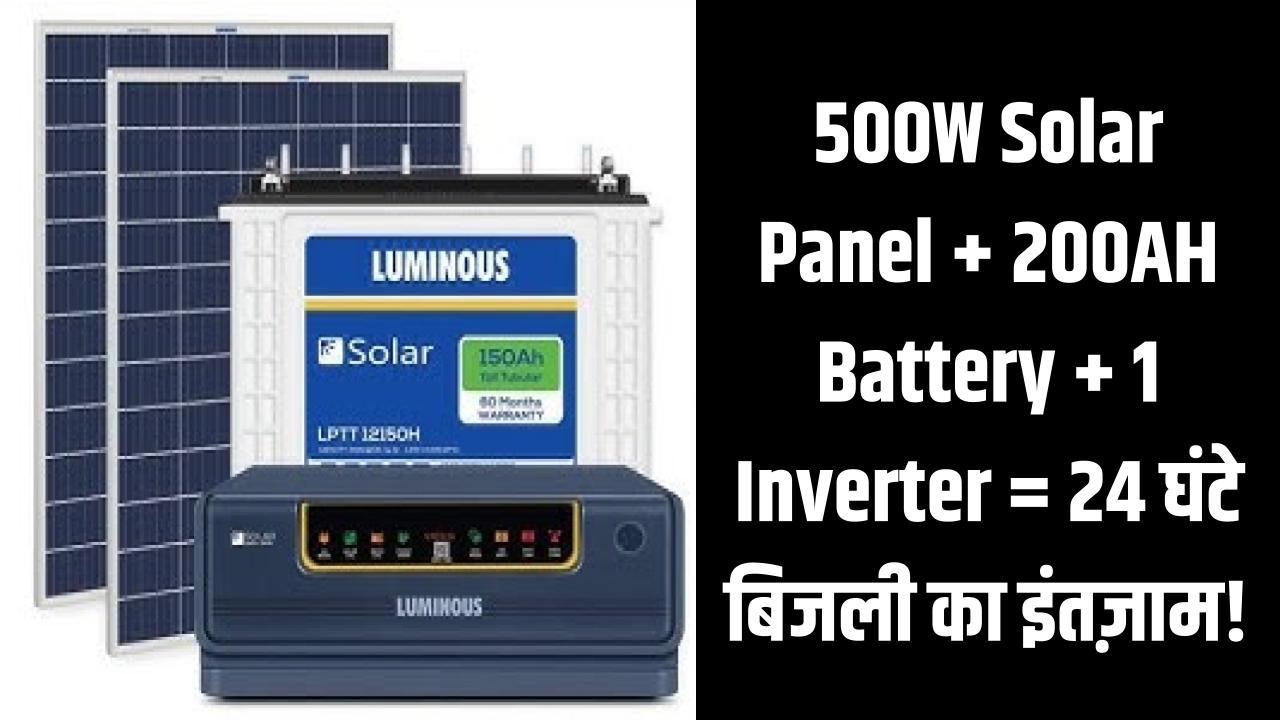
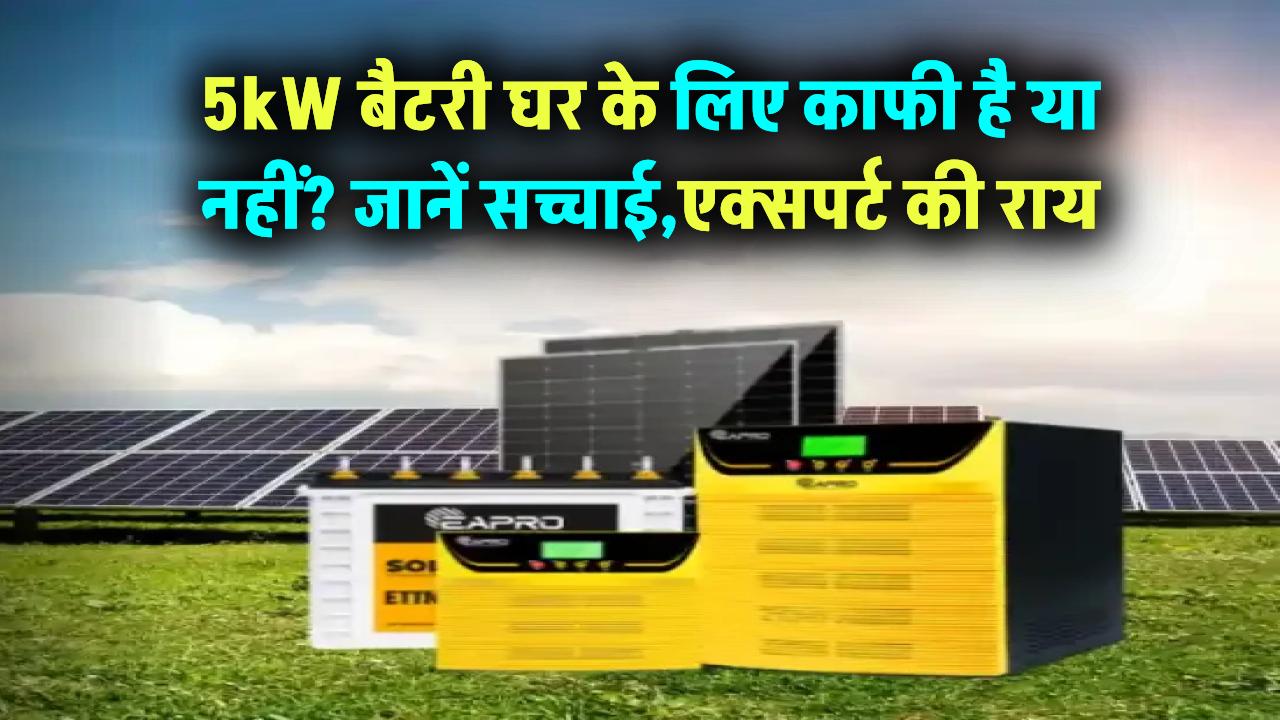
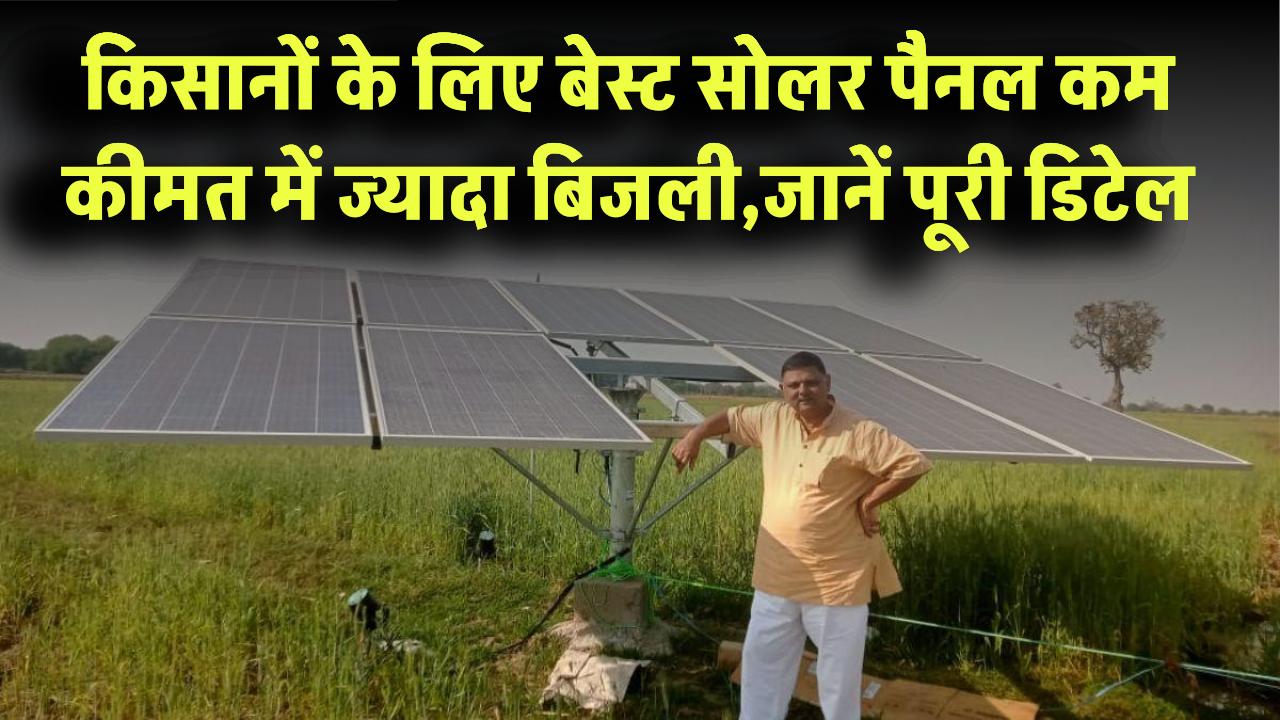
- Switching to Solar: With costs of solar panels and storage systems continuing to fall, homeowners can now reduce their energy bills while generating savings over the next 20-25 years. In addition, government incentives like net metering and subsidies make solar more affordable.
- Energy Independence: For those in areas with unreliable grid power, solar + battery systems provide energy independence and protect against price hikes or outages.
- Investing in Renewables: Consumers can also invest in renewable energy infrastructure, from community solar projects to solar energy stocks.
Related Links
Are You Prepared for the Green Energy Surge?
The energy transition to green power is a race against time, but it also presents incredible financial opportunities. Whether you’re an investor, a homeowner, or a business owner, the growing green energy sector promises to reshape the economy, mitigate climate change, and offer long-term savings and profits.
As the world heads toward a more sustainable future, getting prepared now for the green energy transition is not just a smart choice — it’s a necessary one.