India is scaling up its clean energy ambitions through the National Green Hydrogen Mission, an initiative designed to convert water into fuel using renewable power.
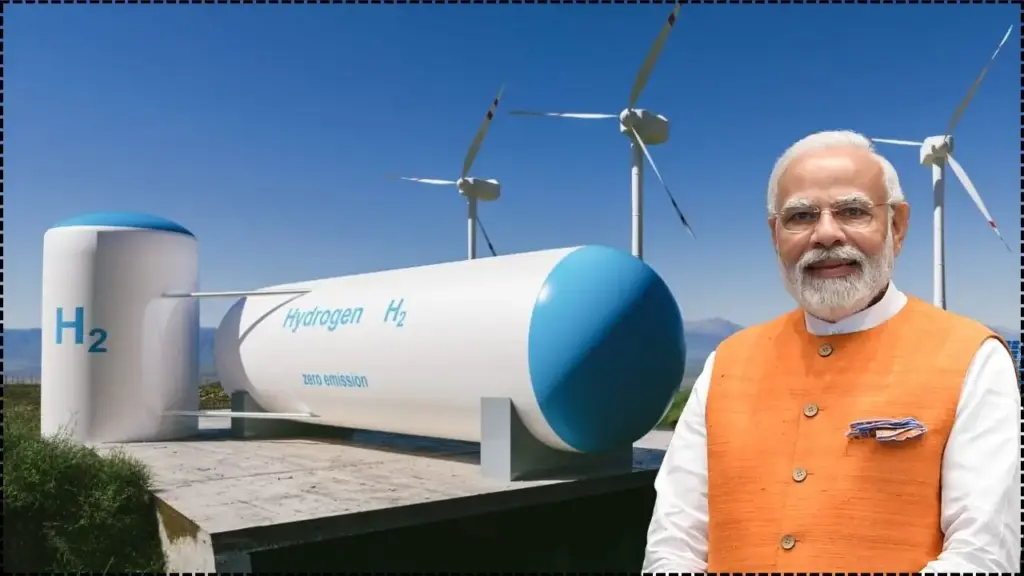
Backed by massive solar parks and policy incentives, the programme aims to cut emissions, reduce fossil fuel imports, and position India as a global leader in green hydrogen production.
India’s Green Hydrogen Strategy Gains Momentum
The Government of India launched the National Green Hydrogen Mission (NGHM) in 2023 with an initial allocation of ₹19,744 crore. The mission sets a target of producing 5 million metric tonnes of green hydrogen annually by 2030, along with developing export capabilities.
Officials say the initiative is central to India’s strategy to achieve net-zero emissions by 2070 while reducing reliance on imported fossil fuels, which currently account for a significant portion of the country’s energy needs.
“Green hydrogen offers a pathway to decarbonise sectors that are otherwise difficult to electrify,” a senior official from the Ministry of New and Renewable Energy (MNRE) said in a recent briefing.
How Water Becomes Fuel
At its core, the mission relies on electrolysis, a process that separates hydrogen from water using electricity. When powered by renewable sources such as solar energy, the hydrogen produced is classified as “green”, meaning it generates no carbon emissions during production.
The process produces:
- Hydrogen (used as fuel).
- Oxygen (released or captured for industrial use).
While the science is well established, scaling electrolysis to industrial levels requires vast and reliable electricity supply—this is where solar parks play a decisive role.
Why Mega Solar Parks Are Critical
Mega solar parks form the backbone of India’s hydrogen strategy by supplying low-cost, renewable electricity at scale.
Key Advantages
- Large-scale energy supply: Hydrogen production demands continuous power, which solar parks can provide in bulk.
- Low-cost electricity: India has some of the world’s cheapest solar tariffs, making green hydrogen more competitive.
- Proximity benefits: Co-locating hydrogen plants with solar parks reduces transmission losses and infrastructure costs.
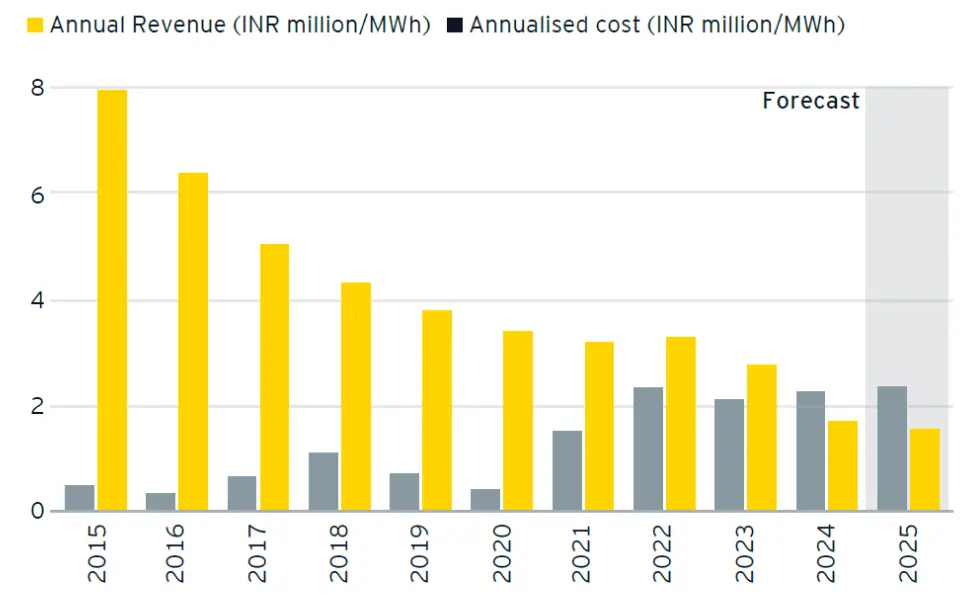
Industry analysts estimate that electricity contributes up to 70% of green hydrogen production costs, making access to cheap solar power essential for viability.
Green Hydrogen Hubs and Industrial Integration
To maximise efficiency, the government is promoting green hydrogen hubs—integrated zones where renewable energy generation, hydrogen production, and industrial consumption occur in close proximity.
These hubs are expected to emerge in:
- Coastal regions (for export potential).
- Industrial corridors.
- Renewable energy-rich states.
Such clustering reduces transportation costs and encourages industries to adopt hydrogen as a fuel.
Expanding Industrial and Energy Applications
Green hydrogen has multiple applications across sectors:
Heavy Industry
Steel production can replace coal-based processes with hydrogen-based methods, significantly cutting emissions.

घर के लिए सबसे अच्छा सोलर पैनल कौन-सा है? जानें प्रकार, फीचर्स और खरीदने से पहले क्या जरूर देखें!
Fertiliser Sector
India currently uses hydrogen derived from natural gas to produce ammonia. Transitioning to green hydrogen could lower emissions in agriculture supply chains.
Transport
Hydrogen fuel cells offer a clean alternative for long-haul trucks, shipping, and potentially aviation.
Power and Storage
Hydrogen can store surplus renewable energy, helping stabilise the grid and manage intermittency. The government estimates that the mission could generate over 600,000 jobs and attract substantial domestic and foreign investment.
Role of Private Sector and Investment
Private companies are expected to play a central role in scaling the hydrogen economy. Major Indian conglomerates and energy firms have announced investments in:
- Electrolyser manufacturing.
- Renewable energy expansion.
- Hydrogen production facilities.
Global investors are also showing interest, particularly in export-oriented projects aimed at supplying Europe and East Asia, where demand for clean hydrogen is rising.
Global Competition and India’s Position
Countries including Australia, Germany, Saudi Arabia, and Japan are investing heavily in hydrogen technologies. However, India’s competitive advantages include:
- Abundant solar and wind resources.
- Lower cost of renewable energy.
- Strong domestic demand.
“India has the potential to become one of the lowest-cost producers of green hydrogen globally,” said an energy expert at an international think tank.
Financing and Policy Support
The government has introduced several measures to support the sector:
- Production-linked incentives (PLI) for electrolyser manufacturing.
- Waiver of transmission charges for renewable energy used in hydrogen production.
- Viability gap funding for pilot projects.
- Support for research and development.
Financial institutions are also exploring green financing instruments to fund large-scale hydrogen projects.
Environmental Considerations and Water Use
While green hydrogen is emission-free at the point of production, it raises concerns around water consumption. Electrolysis requires significant volumes of water, which could pose challenges in arid regions.

To address this, policymakers are considering:
- Use of desalinated seawater in coastal plants.
- Recycling wastewater.
- Strategic site selection.
Experts stress that sustainable water management will be crucial to ensure that hydrogen production does not strain local resources.
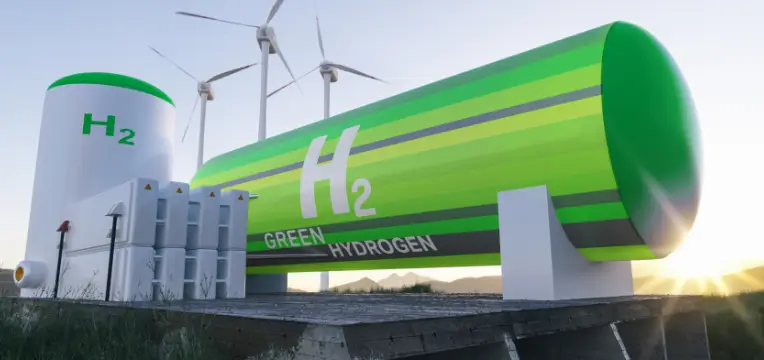
Infrastructure and Technology Challenges
Despite progress, several obstacles remain:
- High costs: Green hydrogen is still more expensive than fossil-based alternatives.
- Storage limitations: Hydrogen is difficult to store and transport efficiently.
- Technology gaps: Dependence on imported electrolysers.
- Demand creation: Industries need incentives to switch from conventional fuels.
Addressing these challenges will require coordinated policy action and sustained investment.
Related Links
The ALMM Mandate April 2026: Why Your Choice of Solar Module Now Dictates Your Subsidy Eligibility
Local vs. Imported: A Comprehensive Guide to Choosing MNRE-Approved Solar Manufacturers in 2026
Timeline and Road Ahead
The mission outlines a phased approach:
- Short term (2023–2025): Pilot projects and policy frameworks.
- Medium term (2025–2030): Scaling production and infrastructure.
- Long term (post-2030): Export expansion and global leadership.
By 2030, India aims to establish itself as a major hub in the global hydrogen economy.
India’s National Green Hydrogen Mission marks a significant step in transforming the country’s energy landscape. By combining abundant solar resources with emerging hydrogen technologies, the initiative seeks to turn water into a scalable, clean fuel.
While economic and technical challenges remain, the integration of mega solar parks with hydrogen production could reshape industrial energy use, reduce emissions, and strengthen India’s position in the global clean energy transition.