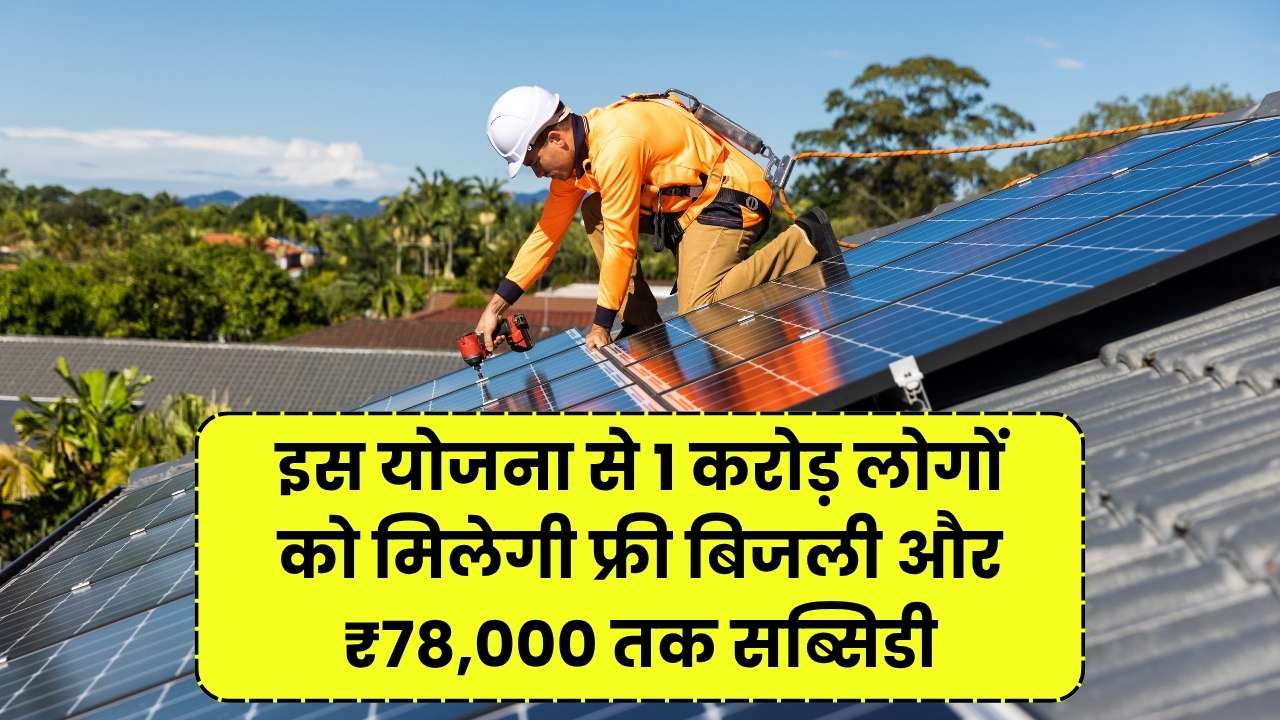
GST Crackdown in Rajasthan: Major Tax Fraud Uncovered in PM Surya Ghar & KUSUM Scheme Projects has brought renewed attention to compliance challenges within India’s rapidly expanding renewable energy sector.
Tax authorities in the state say several solar installation companies may have used fake invoices and irregular tax filings while executing projects under government-backed solar subsidy programmes.
Rajasthan GST Authorities Launch Investigation
Officials from the Rajasthan Goods and Services Tax Department initiated the investigation after detecting unusual patterns in GST filings from companies installing rooftop solar systems and solar pumps.
Preliminary findings indicate that several contractors may have claimed input tax credit (ITC) using inflated invoices while failing to deposit the correct tax amount collected from customers.
Authorities have already recovered approximately ₹1.5 crore from four solar companies based in Jodhpur, according to officials involved in the investigation.
The department has also issued notices to additional firms suspected of similar tax irregularities. A senior GST official said the investigation is ongoing and could expand to multiple districts where solar subsidy installations are concentrated.
How the Alleged GST Fraud Operated
Understanding Input Tax Credit Manipulation
Under India’s Goods and Services Tax system, businesses can claim input tax credit on taxes paid for goods and services used in their operations. This system allows companies to reduce their final tax liability.
However, fraudulent companies may exploit the system by creating fake purchase invoices or overstating equipment costs. According to GST investigators, some solar installation companies may have:
- Issued inflated invoices for solar equipment
- Claimed tax credits for supplies that were never delivered
- Delayed depositing collected GST to the government
Such practices can significantly reduce tax liabilities while generating illegitimate refunds.
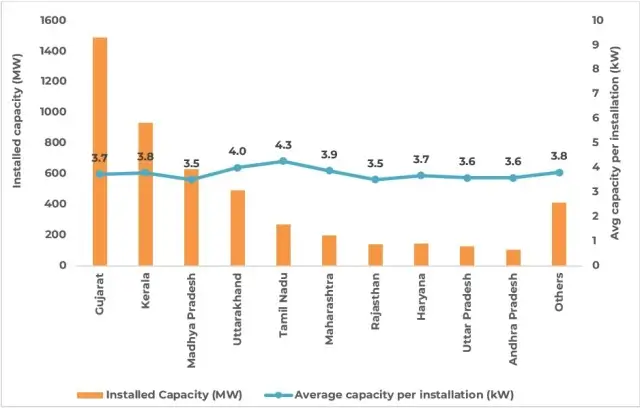
Background: Solar Subsidy Schemes Under Investigation
The suspected irregularities involve projects implemented under two major renewable energy initiatives.
PM Surya Ghar: Muft Bijli Yojana
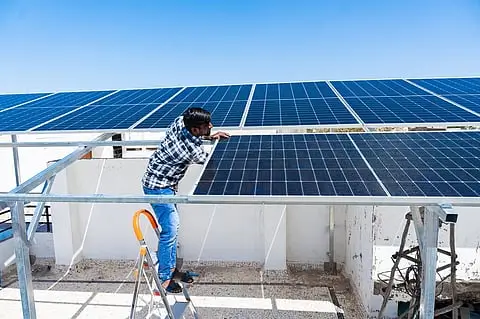
The PM Surya Ghar rooftop solar scheme was launched by the Government of India to promote solar power adoption among households.
The programme aims to install rooftop solar panels in 10 million homes across the country. Eligible households receive financial subsidies that cover a portion of installation costs. The scheme is part of India’s strategy to expand decentralised solar power and reduce electricity costs for consumers.
PM-KUSUM Scheme
The Pradhan Mantri Kisan Urja Suraksha evam Utthaan Mahabhiyan (PM-KUSUM) programme focuses on providing solar energy solutions for farmers. The initiative supports:
- Solar-powered irrigation pumps
- Small grid-connected solar plants
- Solarisation of existing diesel pumps
According to the Ministry of New and Renewable Energy (MNRE), the scheme aims to reduce dependence on diesel irrigation and increase farmers’ income through surplus electricity sales.
Why Solar Subsidy Projects Can Be Vulnerable to Fraud
Experts say large subsidy programmes involving multiple contractors can create opportunities for financial manipulation. Solar projects typically involve several stakeholders including:
- Equipment manufacturers
- EPC contractors
- Distribution companies
- State nodal agencies
- Financial institutions
Each layer in the supply chain requires careful documentation and verification.
“Renewable energy programmes require robust monitoring systems because they involve both subsidy disbursement and infrastructure procurement,” said Dr. Arunabha Ghosh, Chief Executive Officer of the Council on Energy, Environment and Water (CEEW).
He noted that digital monitoring and vendor certification can reduce fraud risks.
Timeline of the Investigation
Officials say the investigation began earlier this year when GST authorities identified discrepancies in tax filings through data analytics. Key stages of the investigation include:
Initial Data Review
Tax authorities analysed GST returns and found mismatches between reported equipment purchases and installation records.
Field Inspections
Enforcement teams conducted inspections of solar contractors in several districts.
Tax Recovery
Authorities recovered unpaid GST from four companies after verifying discrepancies.
Expanded Audit
Further audits are now underway across Rajasthan to identify additional cases.
Impact on Rajasthan’s Solar Industry
Rajasthan is one of India’s leading renewable energy states. The state hosts some of the country’s largest solar parks and has a rapidly growing rooftop solar market.
Industry analysts say enforcement actions may temporarily slow project approvals while authorities review compliance procedures. However, stricter oversight could ultimately strengthen investor confidence.
“Ensuring transparency in subsidy programmes is critical for maintaining trust in the renewable energy sector,” said Rahul Tongia, senior fellow at the Brookings Institution India Center.
Economic Implications
Solar installation projects supported by government subsidies represent billions of rupees in investments. Fraud within these schemes can affect public finances in several ways.
Misuse of tax credits reduces government revenue and diverts funds intended for legitimate beneficiaries. The investigation also raises questions about how subsidies are monitored during project execution. Experts say improving digital monitoring systems could help reduce such risks.
Government Response and Oversight Measures
Government agencies are expected to review compliance mechanisms associated with solar subsidy programmes. Possible reforms may include:
- Real-time tracking of solar equipment purchases
- Integration of GST records with subsidy disbursement systems
- Mandatory vendor verification procedures
- Enhanced auditing of solar installation contractors
Officials say the objective is not only to recover unpaid taxes but also to strengthen programme oversight.
Renewable Energy Targets and Policy Context
India has set ambitious targets for expanding renewable energy capacity. The government aims to achieve 500 gigawatts of non-fossil fuel electricity capacity by 2030. Solar energy is expected to play the largest role in achieving this goal.
Government programmes such as PM Surya Ghar and PM-KUSUM are designed to support widespread solar adoption across households and rural communities. Ensuring transparency and accountability in these programmes will be essential for achieving national energy goals.
Future Policy Reforms
Energy policy experts say the investigation could lead to improved governance of solar subsidy programmes. Potential reforms may include stronger compliance monitoring and better coordination between tax authorities and renewable energy agencies.
Such measures could ensure that financial incentives reach genuine beneficiaries while preventing misuse of public funds.
Related Links
From PM Surya Ghar to Green Hydrogen: Assessing India’s Solar Roadmap
The Race for Stable Solar Energy: Scaling Up Investment in Storage Tech
The GST crackdown in Rajasthan highlights the challenges associated with managing large government subsidy programmes in the renewable energy sector.
While the PM Surya Ghar and PM-KUSUM schemes are central to India’s solar expansion strategy, authorities say strict enforcement will be necessary to prevent misuse.
As investigations continue, policymakers and industry stakeholders are likely to focus on improving transparency and strengthening oversight to safeguard the integrity of India’s renewable energy initiatives.