Canada’s energy landscape is changing rapidly, with bifacial solar panels becoming a top choice for homeowners in 2026.
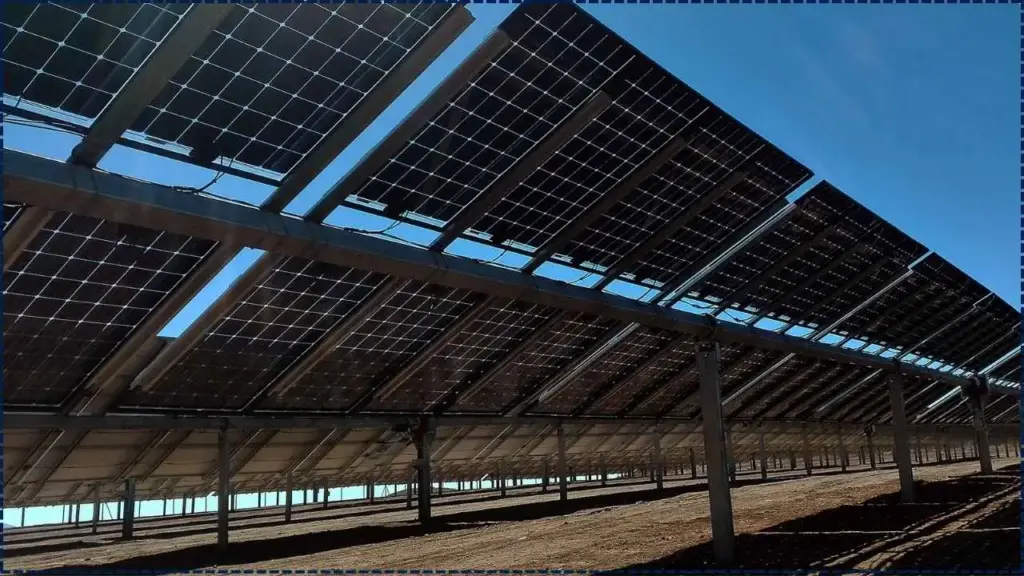
These innovative panels capture light not only from the front side but also from the rear, allowing them to harness additional energy from reflected sunlight — a phenomenon that is particularly advantageous in snow-prone regions.
Bifacial Solar Panels
| Key Fact | Detail/Statistic |
|---|---|
| Bifacial Panel Technology | Captures sunlight on both front and rear surfaces |
| Snow Albedo Effect | Snow reflects up to 90% of sunlight, boosting rear panel efficiency |
| Increased Energy Yield | Bifacial panels can produce up to 15% more energy in snowy regions |
| Cost vs. Benefit | Bifacial panels may cost slightly more but offer better ROI over time |
Why Bifacial Solar Panels Are Poised for Canadian Homes in 2026
The albedo effect, where snow reflects up to 90% of sunlight, boosts the energy output of bifacial solar panels during Canada’s long winters.
As the country accelerates its transition to renewable energy, bifacial panels are quickly becoming a must-have for homeowners seeking higher efficiency and greater returns on their solar investments.
What Are Bifacial Solar Panels?
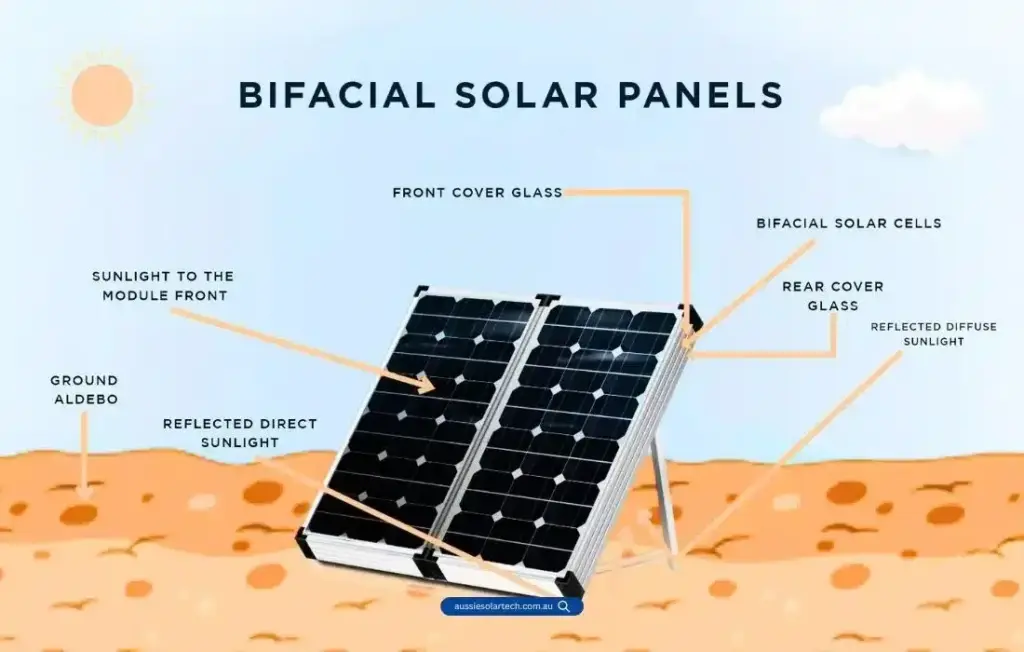
Bifacial solar panels are a cutting-edge technology in the field of photovoltaic (PV) systems. Unlike traditional monofacial panels, which only capture light from one side, bifacial panels are designed to absorb sunlight on both their front and rear surfaces.
This dual-surface design allows the rear side to capture reflected sunlight, which is particularly useful in environments with high albedo — surfaces that reflect a significant amount of sunlight, such as snow, sand, or light-colored roofs.
Bifacial solar panels offer significant advantages over monofacial systems. In Canada, where snowy conditions are common, the additional energy captured from snow reflection leads to enhanced overall energy output from the same number of panels, making them especially suitable for Canadian homes.
Snow Reflection and the Albedo Effect: A Game-Changer for Solar Power in Canada
How Snow Boosts Solar Output
The albedo effect is a key factor that makes bifacial solar panels particularly effective in snowy regions. Snow-covered surfaces have a high albedo, reflecting a large portion of sunlight back toward the atmosphere.
For bifacial panels, this reflected light is captured by the rear surface of the panel, significantly increasing its energy generation. Snow, with its reflective properties, can increase the energy output of bifacial solar panels by up to 15% compared to monofacial panels under similar conditions.
Studies show that the energy gains are most pronounced in winter months when the snow cover is at its peak. In fact, some Canadian homes in snowy areas have reported up to 30% more electricity generation due to snow reflection.
Real-World Benefits for Canadian Homes
For homeowners in Canada, where long, snowy winters are common, bifacial panels provide an ideal solution to maximize solar energy production throughout the year. Since these panels can capture reflected light in addition to direct sunlight, they perform better in winter conditions than traditional solar panels.
With these systems, homeowners can offset more of their energy consumption and reduce electricity bills by up to 25–30% annually.
For example, homes in cities like Ottawa or Montreal — regions known for heavy snowfall — stand to gain significantly from bifacial panels due to the high albedo effect from the snow. As Canadian homeowners look for ways to increase energy efficiency, bifacial solar technology offers both financial benefits and a means to contribute to climate goals.
Why 2026 Is the Year for Bifacial Solar Panels in Canada
Falling Prices and Technological Advancements
In 2026, bifacial solar panels are becoming more affordable due to advances in manufacturing technology and scalability. As more companies invest in bifacial panel production, costs have begun to drop, making these advanced systems a more attractive option for homeowners.
Once seen as a premium product, bifacial panels are now closer in cost to traditional monofacial systems, especially with ongoing price reductions in solar manufacturing.
Additionally, bifacial panels benefit from improvements in efficiency and durability. As manufacturers optimize panel designs and materials, these systems are becoming more robust and capable of generating higher yields over their lifespan. This makes bifacial solar a smart long-term investment.
Supportive Government Policies and Incentives
Canada’s commitment to renewable energy and carbon neutrality by 2050 has led to increased support for clean technologies like solar power. Federal and provincial incentives, such as solar rebates and tax credits, have made solar installations more affordable for homeowners.
The Canadian government’s investments in green energy infrastructure and policies aimed at reducing carbon emissions are encouraging more homeowners to make the switch to solar energy.
In particular, provinces with high levels of snow, such as Quebec and British Columbia, have seen strong uptake of solar technology, driven by both environmental concerns and financial incentives.
Maximizing Bifacial Solar Panel Efficiency
To ensure that bifacial panels perform at their best, homeowners need to take certain installation factors into account:
Optimizing Panel Height and Angle
The height at which bifacial panels are mounted plays a crucial role in maximizing rear-side energy capture. Raising the panels a few inches off the roof or ground allows more reflected sunlight to reach the rear surface, boosting the energy output.
Additionally, adjusting the tilt angle of the panels can enhance energy capture by better aligning them with the winter sun angle.
Reflective Surfaces
Installing bifacial panels in areas with reflective surfaces is key to maximizing performance. For example, snow-covered rooftops or light-colored gravel can significantly increase the amount of reflected sunlight, contributing to the rear-panel efficiency.
This makes bifacial panels particularly beneficial for homeowners living in regions with consistent snow cover.
Shading Considerations
Shading from nearby trees, structures, or other obstructions can reduce the effectiveness of bifacial panels. To ensure the best performance, homeowners should avoid shading on the rear side of the panel, ensuring that the maximum amount of reflected light reaches the panels.
Economic and Environmental Impact of Bifacial Solar Panels in Canada
Economic Benefits for Homeowners
Although bifacial panels typically come with a higher initial cost than monofacial panels, the additional energy they produce over their lifetime makes them a cost-effective option in the long run.
Homeowners can recoup the extra upfront cost through savings on energy bills within a 5-7 year period, especially in snowy regions where the panels can capture a significant amount of reflected light.
Moreover, with the additional federal and provincial incentives for solar energy, the cost of installing bifacial panels is becoming more accessible for average Canadian homeowners. As energy prices continue to rise, solar power becomes an increasingly important tool for reducing monthly utility costs.
Environmental Benefits
The environmental impact of bifacial panels is significant. By increasing the energy yield of solar installations, bifacial panels help reduce reliance on fossil fuel-based power sources, such as coal and natural gas.
The additional energy produced from reflected sunlight further decreases greenhouse gas emissions, contributing to Canada’s commitment to carbon neutrality by 2050.

With growing concerns about climate change, the ability to generate clean, renewable energy more efficiently is critical in addressing global environmental challenges. Bifacial panels are a vital part of this transition.
Challenges and Considerations
Despite the many advantages, there are challenges associated with installing bifacial solar panels:
Higher Initial Costs
Although bifacial panels are becoming more affordable, they still tend to have a slightly higher upfront cost compared to monofacial panels. However, this premium is offset by the additional energy production over time.
Site-Specific Performance
Bifacial panels perform best in areas with high reflectivity, such as snow-covered ground or light-colored rooftops. In regions with little snow or poor reflectivity, the rear side of the panels may not generate as much additional energy.
Installation Complexity
Proper installation of bifacial panels requires careful planning to maximize rear-side energy capture. Homeowners should work with experienced installers to ensure that the panels are correctly positioned for optimal performance.
Related Links
Forget Panels! This Revolutionary ‘Solar Paint’ Turns Your Home Walls into a Power Station
Start This Profitable Solar Startup Without Heavy Machinery! Demand Surges as Summer Hits
A Bright Future for Solar in Canada
As bifacial solar panels become more affordable and efficient, they are expected to play an increasingly important role in Canada’s renewable energy future. With strong government support, technological advances, and incentives for solar adoption, these panels are set to become a standard choice for homeowners in snowy regions.
By 2026, bifacial solar panels could be a common feature on rooftops across Canada, helping the country achieve its clean energy goals while significantly reducing reliance on traditional fossil fuels.
FAQs
Q: Why are bifacial panels better for snowy regions?
A: Bifacial panels capture reflected sunlight from snow-covered surfaces, which increases their energy output by up to 15% compared to traditional monofacial panels.
Q: How much more expensive are bifacial panels?
A: Bifacial panels typically cost slightly more upfront than monofacial panels, but they offer greater energy production over time, leading to faster payback periods and higher long-term savings.
Q: Can bifacial panels be used in regions without snow?
A: Yes, bifacial panels can still perform well in regions without snow, though their benefits are most pronounced in areas with high albedo, such as snow or light-colored reflective surfaces.