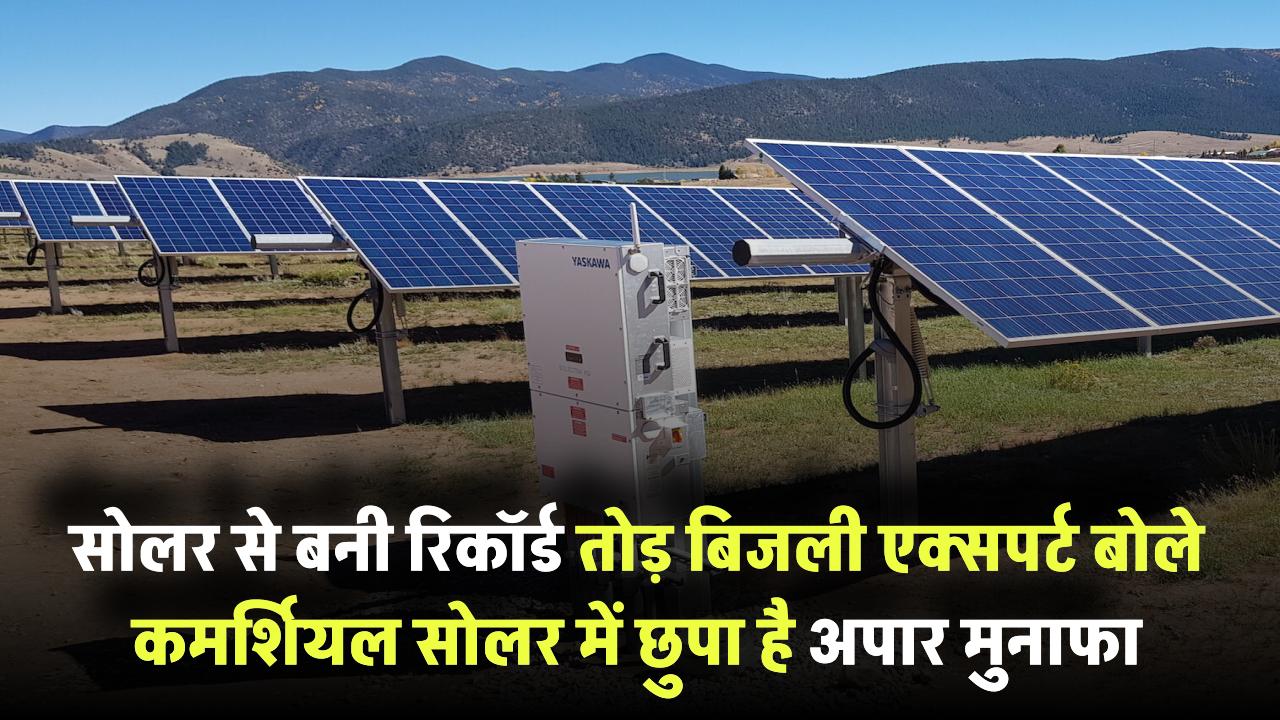

As electric vehicle ownership expands across India, many households are evaluating whether installing a Home Solar EV Charging Setup Cost system in 2026 can meaningfully cut fuel expenses and reduce dependence on the grid.
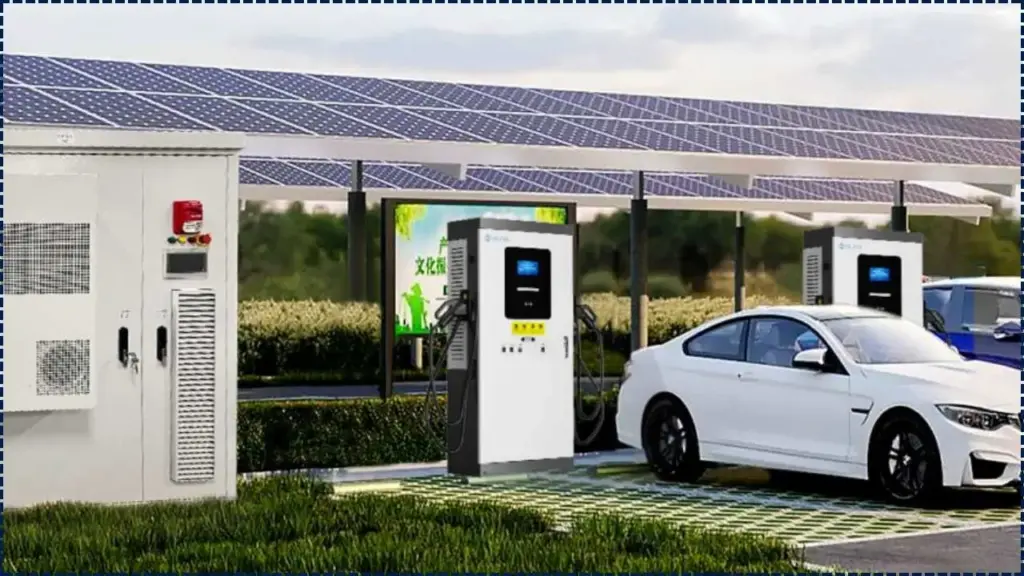
While the idea of charging a car with sunlight suggests near-zero running costs, upfront investments, policy incentives, and long-term maintenance shape the real economics.
Why the Home Solar EV Charging Setup Cost Is Gaining Attention
India’s transition to cleaner mobility has accelerated in recent years. According to data from the Ministry of Road Transport and Highways, electric vehicle registrations have steadily increased, supported by lower battery costs and government incentives.
At the same time, rooftop solar adoption has expanded under the Government of India’s PM Surya Ghar: Muft Bijli Yojana, launched in 2024. The scheme aims to support one crore households in installing rooftop systems with central financial assistance.
The intersection of these two trends has driven interest in the Home Solar EV Charging Setup Cost — a residential setup combining rooftop solar panels with a dedicated EV charging unit.
Energy analysts say the combination appeals to households seeking predictable electricity costs. It also aligns with India’s broader renewable energy and climate commitments.
What Does a Home Solar EV Charging Setup Cost System Include?
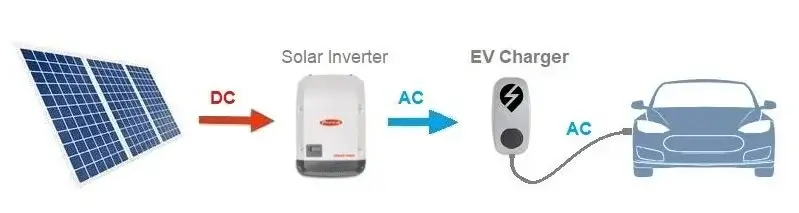
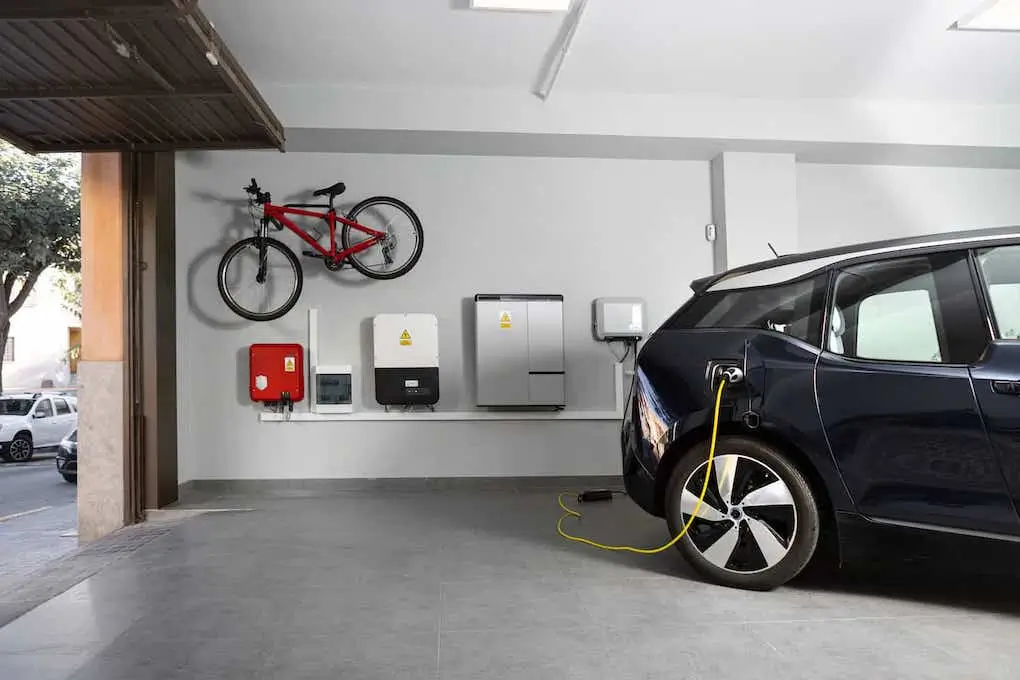
A standard residential configuration includes:
- Rooftop solar photovoltaic (PV) panels
- A solar inverter and balance-of-system equipment
- A dedicated home EV charger
- Optional battery storage
Each component contributes to the total cost and performance of the system.
How Much Does It Cost in 2026?
Solar Installation Costs
Industry data from installers and the National Solar Energy Federation of India (NSEFI) indicate rooftop solar prices range between ₹40,000 and ₹65,000 per kilowatt (kW) before subsidies.
A 3 kW system may cost ₹1.2 lakh to ₹1.8 lakh. A 5 kW system, often recommended for households that intend to regularly charge an EV, may range from ₹2 lakh to ₹3.25 lakh before financial assistance.
The Ministry of New and Renewable Energy (MNRE) offers central subsidies under the PM Surya Ghar scheme. Depending on system size, eligible households may receive between ₹30,000 and ₹78,000.
EV Charger and Electrical Upgrades
Home EV chargers cost between ₹30,000 and ₹75,000 depending on charging speed and smart connectivity features. Installation, including wiring upgrades and circuit protection, may add ₹15,000 to ₹25,000.
For a typical 5 kW system paired with a Level 2 charger, total pre-subsidy costs may range between ₹2.5 lakh and ₹4 lakh. After central subsidies, net costs could fall closer to ₹2 lakh to ₹3.25 lakh.
Understanding System Sizing: Matching Solar to Driving Needs
A crucial but often overlooked factor is system sizing. An electric car consuming 15 kWh per 100 kilometres and driven 1,000 kilometres per month would require about 150 kWh monthly. A 5 kW rooftop system in many Indian cities can generate between 600 and 750 kWh per month, depending on sunlight conditions.
This means EV charging may account for roughly 20–25% of monthly solar production in such scenarios.
Dr. Rahul Tongia, Senior Fellow at the Centre for Social and Economic Progress, has noted in public discussions that “solar works best when production and consumption align. Households must evaluate load patterns, not just installation cost.”
Oversizing a system may increase upfront investment without proportionate savings. Undersizing may require continued grid dependence.
Grid Charging Versus Solar Charging
Residential electricity tariffs generally range from ₹6 to ₹9 per unit, varying by state. Charging an EV exclusively from the grid may cost between ₹1 and ₹1.35 per kilometre.
When electricity is generated through rooftop solar, the marginal cost declines significantly after the initial investment is recovered. Over a 20–25 year lifespan, levelised solar generation costs may range from ₹2.5 to ₹4 per unit.
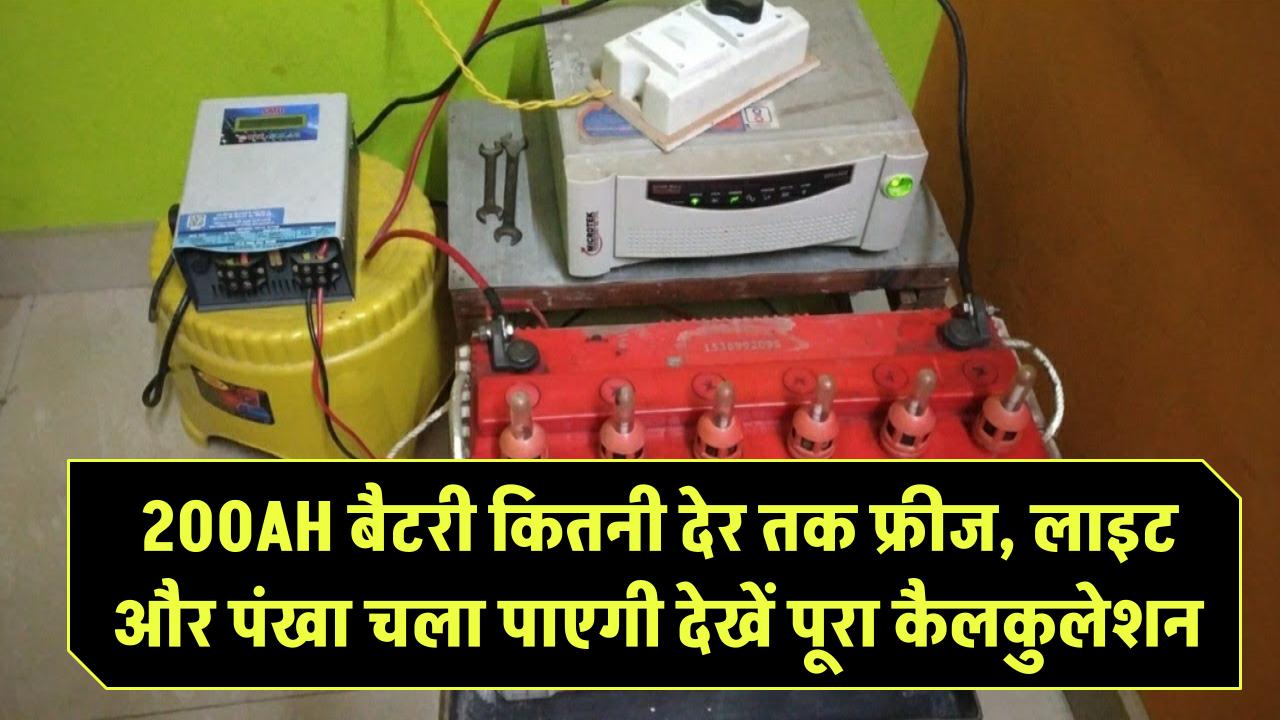
However, experts caution that maintenance, inverter replacement after 8–12 years, and system degradation must be included in financial calculations.
Payback Period and Return on Investment
Industry projections suggest rooftop solar systems typically achieve payback within four to seven years, depending on tariff rates and consumption patterns.
Adding EV charging can improve financial returns by increasing self-consumption of solar power. Under net metering frameworks, exporting excess electricity to the grid may yield lower returns than direct usage.
According to policy research from the International Energy Agency (IEA), self-consumption models improve household solar economics in emerging markets.
Financial experts also recommend evaluating loan interest rates. Green loans typically range from 8% to 12%, which may extend the effective payback period.
Regional Variations and State Policies
State-level policies significantly influence returns.
Gujarat has historically led rooftop solar installations due to supportive distribution company policies. Delhi offers additional incentives and simplified approval processes. Other states maintain capacity caps or different net metering structures.
Regulatory stability remains a key determinant of long-term viability.
Battery Storage: Energy Independence at a Price
Some homeowners opt to include lithium-ion battery systems for nighttime charging or power backup. Battery storage systems can add ₹1.5 lakh to ₹4 lakh to total costs. While they enhance resilience during outages, their financial justification in urban areas with stable grids remains debated.
The Council on Energy, Environment and Water (CEEW) has observed that storage economics improve when time-of-day tariffs or grid instability are significant factors.
Environmental and Social Impact
India’s electricity grid continues to rely substantially on coal generation. Rooftop solar reduces reliance on fossil fuels and lowers lifecycle emissions.
According to research from CEEW, distributed solar can contribute to emission reductions while reducing transmission losses.
Charging EVs through solar power further reduces indirect emissions, though lifecycle assessments must include battery manufacturing and disposal considerations.
Emerging Technologies and Future Trends
Technological innovation may reshape economics over the coming decade.

Smart chargers capable of vehicle-to-grid (V2G) interaction are under development. These systems could allow EVs to supply power back to homes or the grid, enhancing energy flexibility.
Falling solar module prices and improvements in panel efficiency may also lower installation costs over time. The Society of Manufacturers of Electric Vehicles (SMEV) projects continued growth in passenger EV sales, suggesting demand for integrated home charging solutions will expand.
Common Challenges and Risks
Despite potential benefits, barriers remain:
- Limited rooftop space in urban apartments
- Shading and structural constraints
- Lengthy approval processes in some states
- Financing hurdles for lower-income households
The World Bank, in renewable financing assessments, has emphasised the importance of accessible credit and standardised processes to broaden adoption.
Experts advise households to conduct technical feasibility studies and obtain multiple installation quotes.
Is “Free Charging” a Misleading Phrase?
The phrase captures attention but simplifies complex economics.
Solar-powered EV charging significantly reduces variable electricity costs after capital recovery. However, the electricity is not without cost. It is prepaid through upfront investment and periodic maintenance.
An official from the Solar Energy Corporation of India (SECI) stated during an industry webinar that “proper sizing and realistic expectations are essential. Consumers must calculate long-term costs, not just installation subsidies.”
Related Links
The Big Comparison: Solar + Battery vs. Grid Power—Which one offers the maximum savings in 2026?
Price Hike Warning: Why electricity costs could double by 2035 and how Solar can save you lakhs
A Home Solar EV Charging Setup Cost system in 2026 represents a substantial but potentially strategic household investment. Typical installation costs range between ₹2 lakh and ₹4 lakh before subsidies, with payback often within seven years under favourable conditions.
The decision depends on driving habits, rooftop suitability, financing access, and regulatory stability. For many households, the appeal lies in predictable energy costs, environmental benefits, and partial energy independence.
As India advances its clean energy transition, the integration of rooftop solar and EV charging may move from an emerging trend to a common residential infrastructure choice.