
The rapid growth of artificial intelligence (AI) is not just revolutionizing technology; it is driving up global electricity costs. As AI models become more complex, their energy demands grow, placing increasing pressure on power grids worldwide.
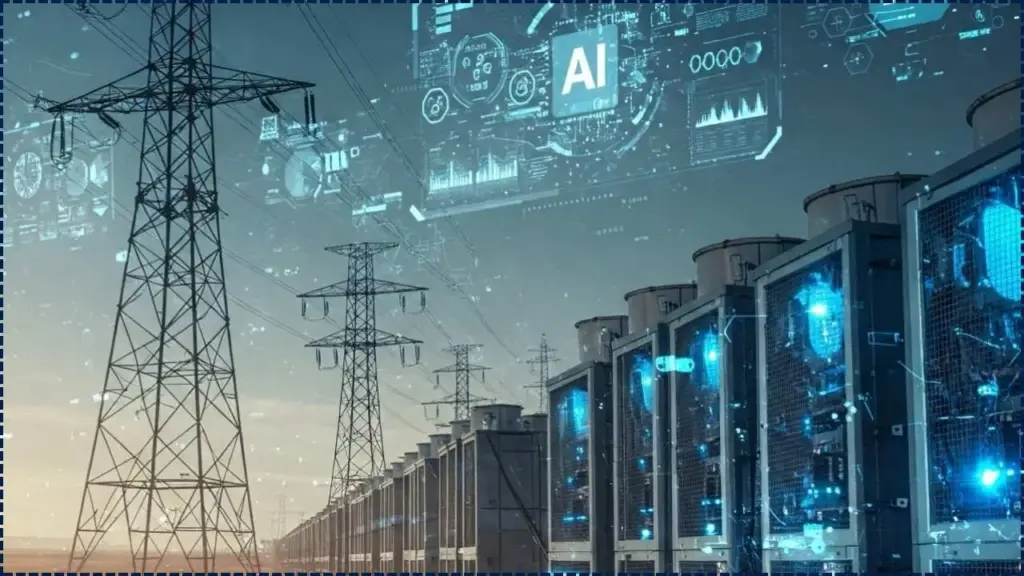
This surge in electricity usage is reshaping the global energy landscape, with serious implications for consumers and industries alike.
AI Explosion is Driving Up Global Electricity Costs
| Key Fact | Detail/Statistic |
|---|---|
| Global electricity demand from AI | Projected to double to 945 TWh by 2030 |
| Data centers’ electricity consumption in 2024 | 415 TWh |
| Increase in residential electricity costs | Estimated to rise by $16–$18 per month in affected areas |
| Projected rise in national electricity prices | Expected to increase by ~8% by 2030 due to AI data centers |
The Growing Demand for Electricity: AI’s Impact
Artificial intelligence is transforming every sector, from healthcare to finance, but its growing energy demands are becoming hard to ignore. Large AI models, such as those used for natural language processing or image recognition, require extraordinary amounts of computational power.
This need for power is compounded by the proliferation of data centers—facilities dedicated to housing the computing infrastructure needed to process vast amounts of data. AI-driven models, especially those employed by tech giants like Google, Microsoft, and OpenAI, use specialized hardware called Graphics Processing Units (GPUs), which are notorious for consuming significant amounts of electricity.
For example, running a model like GPT-3 or GPT-4 requires vast computational resources, each query demanding hundreds of times more energy than a typical internet search.
This surge in AI demand is expected to drive global electricity consumption from data centers up significantly over the next decade.
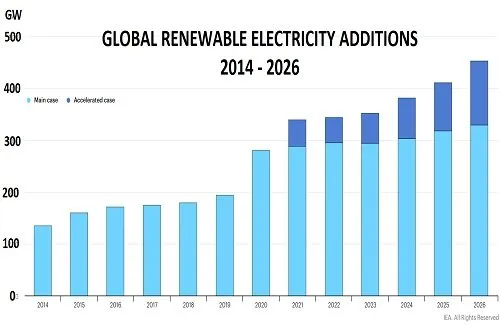
According to a 2024 report from the International Energy Agency (IEA), global electricity demand from AI is projected to double by 2030, reaching 945 terawatt-hours (TWh). This will place further strain on power grids and fuel the rise in global electricity prices.
The Pressure on Power Grids
The growing demand for electricity due to AI is not limited to isolated data centers. It affects entire power grids. These grids, which serve millions of homes and businesses, were not designed to handle the surges in power usage that AI data centers now create.
For instance, in the United States, the PJM Interconnection, which oversees the electricity grid in the Mid-Atlantic region, has seen an uptick in the number of contracts signed between utility companies and data centers.
These contracts, which provide high-paying data centers with guaranteed power supplies, often come at the expense of residential and smaller commercial users. As a result, consumers in these regions are already experiencing rising electricity bills.
In Europe and parts of Asia, where data centers are proliferating rapidly, the pressure on grids has led to disruptions and price hikes.
Countries like Ireland, which have become hubs for major international data centers, are facing similar issues as data centers negotiate directly with power producers, often agreeing to pay premium rates for guaranteed access to electricity.
How AI is Contributing to Higher Electricity Costs
The expansion of AI and the subsequent rise in electricity demand is having a direct impact on consumers. According to the Pew Research Center, in regions like the U.S. Mid-Atlantic, average residential electricity costs have risen by $16 to $18 per month due to the additional strain caused by data centers.
The growing demand for electricity, particularly during peak usage hours, is pushing utility companies to raise prices to keep up with demand. The IEA estimates that national electricity prices could rise by as much as 8% by 2030, primarily because of AI’s strain on grids.
This increase will likely be felt across industries as well, with companies relying on AI tools and services seeing higher operational costs, which could ultimately trickle down to consumers in the form of increased prices for goods and services.

The Environmental Impact: AI’s Carbon Footprint
As the electricity demand from AI grows, so does its environmental impact. While many data centers are moving toward renewable energy sources, the transition is slow. The overall energy mix used to power these centers remains a major concern.
Fossil fuels, including coal and natural gas, still make up a significant portion of the energy supply in many regions, contributing to increased carbon emissions. AI’s massive power consumption exacerbates concerns about the environmental toll of tech growth.
A study by The University of California, Berkeley, found that training a single large AI model could emit as much carbon as five cars over their entire lifetimes. While this figure is significant, it is important to note that AI can also be used to improve energy efficiency across industries, including energy consumption monitoring and optimization in other sectors.
Case Studies: The Real-World Impact of AI on Electricity Costs
United States: The Mid-Atlantic Surge
In the U.S., the PJM Interconnection region has seen a marked increase in energy demand due to the growing number of data centers. These centers, particularly those operated by tech giants like Amazon, Google, and Microsoft, have signed long-term contracts for high-priority access to electricity.
These agreements have raised prices for residential consumers, who are now shouldering part of the cost of the AI-driven boom in data centers.
Ireland: A Hub for AI Data Centers
Ireland is one of the largest data center hubs in Europe, attracting major players due to its favorable tax policies and cool climate. However, the increased energy demand from these facilities has resulted in power shortages during peak periods.
In 2022, a report from the Environmental Protection Agency (EPA) highlighted that the country’s power grid was at risk of becoming overloaded. As data centers continue to multiply, the pressure on the country’s energy infrastructure is expected to worsen, further increasing electricity prices for the Irish public.
Technological Developments and Solutions
Energy-Efficient Hardware
The AI industry is aware of its environmental impact and is exploring ways to mitigate it. Companies are investing in energy-efficient hardware, such as ASICs (Application-Specific Integrated Circuits), which use less power than traditional GPUs while still offering the performance needed for large AI models.
This hardware has the potential to significantly reduce energy consumption, but its widespread adoption will take time.
Carbon-Neutral Data Centers
Several tech companies, including Google, Amazon, and Microsoft, have committed to running their data centers on renewable energy. These companies are also exploring innovations in cooling technologies to reduce the environmental impact of their operations.

However, these efforts are not yet enough to fully offset the massive electricity consumption of AI.
Government and Policy Responses
Governments worldwide are beginning to recognize the role that AI plays in the growing energy crisis. Some are taking steps to regulate energy consumption by AI-driven data centers. The European Union, for instance, has implemented strict regulations on data center energy use, encouraging the adoption of renewable energy sources and the use of energy-efficient technologies.
In the U.S., lawmakers are also exploring ways to incentivize AI companies to use greener energy and reduce their carbon footprints. However, these initiatives are still in their infancy, and much more needs to be done to mitigate the environmental impact of AI.

AI’s Role in Renewable Energy
Despite its high energy consumption, AI also plays a critical role in improving the efficiency of renewable energy systems. AI algorithms are used to forecast weather patterns, optimize energy distribution, and reduce waste in power grids.
These innovations can help make renewable energy more reliable and cost-effective, which could eventually help mitigate some of the pressure that AI places on electricity grids.
Related Links
Ultra-Stable Solar: China’s New Polymer Cells Hit 19.1% Efficiency with 100,000-Hour Life
From Coal to Clean: China Launches Massive 4GW Solar Plant on Former Mining Lands
A Delicate Balance
The explosion of AI is reshaping industries and creating new opportunities for innovation, but it is also placing unprecedented strain on global electricity networks. As AI demand surges, the resulting pressure on power grids is contributing to rising electricity costs worldwide, with implications for both consumers and businesses.
While the integration of AI into energy optimization systems offers a potential solution, it will not be enough to fully counterbalance the growing energy requirements of the technology itself.
As the world moves toward more sustainable energy sources, it will need to find ways to balance the incredible potential of AI with the environmental and economic challenges it creates.