
In recent months, a growing number of homeowners have shared a “secret” method on social media that they claim allows them to acquire solar panels at a fraction of the usual cost. Dubbed the “Discount Secret,” the technique promises savings of up to 50% off the retail price of solar installations.
While the allure of significantly reduced costs is tempting, the question remains: Does this secret really work, and can homeowners expect to benefit from it? This article seeks to uncover the truth behind these claims and explore the various financial avenues available to homeowners seeking to reduce their solar energy costs.
Through interviews with industry experts and a review of available research, we will examine whether this so-called secret is legitimate, what it entails, and what risks may be involved.
The “Discount Secret”: What is it?
The “Discount Secret” circulating online generally refers to a set of unconventional or lesser-known ways homeowners claim they can acquire solar panels at a significantly reduced cost. A popular version involves prepaid solar leases, where homeowners pay upfront for the installation, securing a lower total price than standard financing models.
In some cases, this method is advertised as a way to get solar installations for “half price.” Other variations include government-backed programs or private solar companies offering “secret” discounts or incentives that are not widely known to the general public.
For example, social media posts often reference zero down payment schemes or limited-time offers that make the initial cost of installation significantly lower, sometimes accompanied by claims of massive savings down the line. But how accurate are these claims?
The Mechanics of Solar Panel Financing
To understand whether the “Discount Secret” truly works, it’s important to first understand the various ways solar panel systems are financed.
Solar power installations can be expensive, with typical costs ranging between $15,000 and $30,000 for a residential system, depending on the size and location. To help offset this, homeowners have several financing options, including:
- Cash Purchase: The most straightforward method, where homeowners pay the full amount upfront.
- Solar Loans: Homeowners borrow money to pay for the system, with the option to repay the loan over time.
- Leases and Power Purchase Agreements (PPAs): Homeowners lease the equipment or buy power at a fixed rate for a certain number of years.
The prepaid lease method — a key component of the so-called “Discount Secret” — involves paying for the solar installation upfront at a reduced rate.
The thinking behind this option is that companies offering solar energy solutions can provide a discount for customers who are willing to pay for the system upfront, rather than financing it over time.
Does This Financing Option Deliver Significant Savings?
In some cases, paying upfront may reduce the overall cost by a percentage, but does this really amount to a 50% savings? According to industry experts, the savings from prepaid leases are typically 10-30% off the retail price, depending on various factors like location, system size, and the incentives offered by the solar provider.
However, these savings do not necessarily equate to the steep “half-price” discount some homeowners have touted. Moreover, a substantial upfront payment can also be a barrier for many homeowners, as the cost of a complete solar system is still significant, even with the reduced price.
Comparative Analysis of Solar Financing Models
When considering how to finance solar panel installations, it’s essential to weigh the pros and cons of the different options available. Below is a comparative analysis of popular solar financing models:
| Financing Option | Pros | Cons |
|---|---|---|
| Cash Purchase | Full ownership, tax credits, no ongoing costs | High upfront cost |
| Solar Loan | Lower upfront cost, full ownership | Interest rates, long repayment period |
| Solar Lease/PPA | Lower initial payment, no maintenance fees | No ownership, long-term commitment |
| Prepaid Lease | Discounted cost upfront, long-term savings | High initial payment, ownership restrictions |
The Role of Government Programs
One of the most effective and legitimate ways to reduce the cost of installing solar panels is through government-backed incentives. For example, in the United States, the Investment Tax Credit (ITC) allows homeowners to deduct 30% of the total cost of installing solar systems from their federal taxes.
Additionally, various states and municipalities offer rebates, tax credits, and other incentives that further reduce the financial burden of going solar.
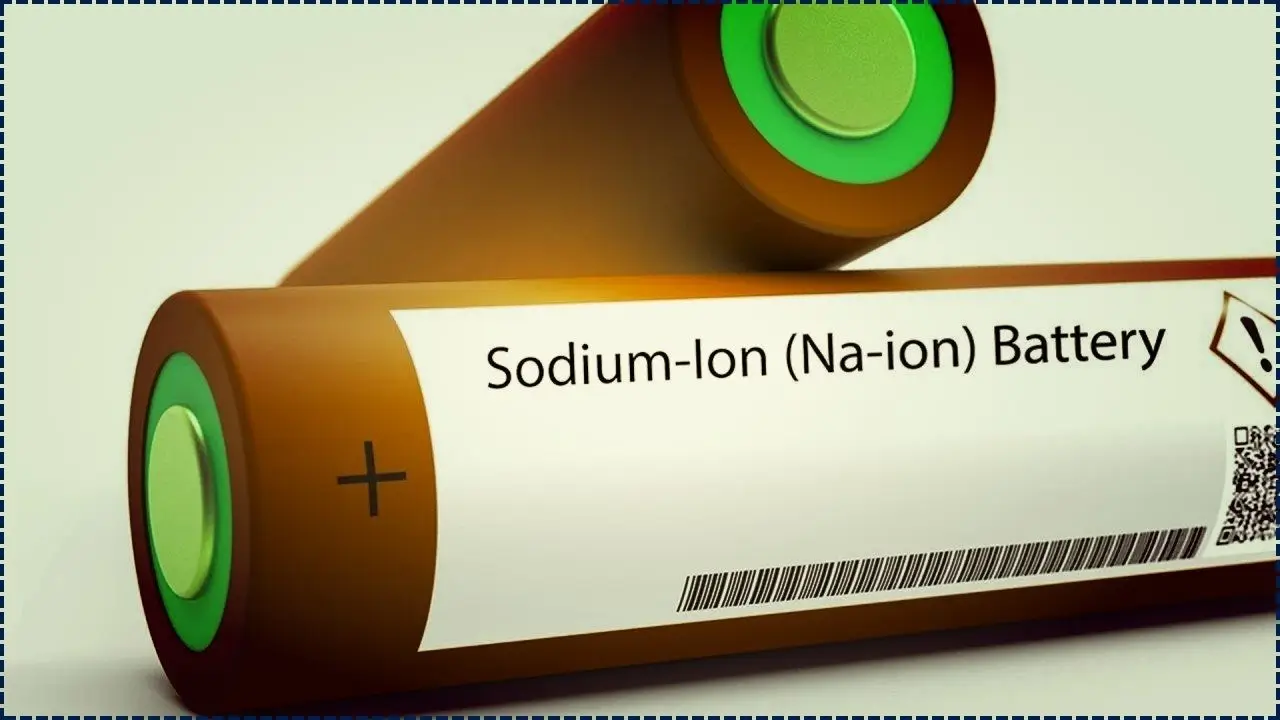
In India, the government also runs initiatives like the PM KUSUM Scheme, offering financial assistance to farmers and homeowners installing solar panels. These programs can substantially reduce upfront costs, but they do not offer the “half-price” deals some are claiming online.
Case Study: How Homeowner David Johnson Reduced Solar Costs
David Johnson, a homeowner in California, recently decided to install solar panels at his home. He initially considered the option of a prepaid lease but ultimately decided to purchase the system outright using a combination of tax credits and a solar loan.
Johnson said, “Although I was drawn to the idea of a prepaid lease, the savings weren’t as substantial as I thought they would be. With the federal tax credit and low-interest loan, I ended up paying about 20% less than the retail price.”
His experience highlights the importance of understanding all available incentives and options when financing solar panels.
Energy Savings and Environmental Impact
Beyond the financial savings, the environmental benefits of installing solar panels are substantial. According to the National Renewable Energy Laboratory (NREL), a typical 6 kW solar system can save homeowners over $20,000 on electricity bills over 20 years while reducing their carbon footprint by over 100 metric tons — equivalent to planting nearly 2,500 trees.
The Future of Solar Energy and Financing
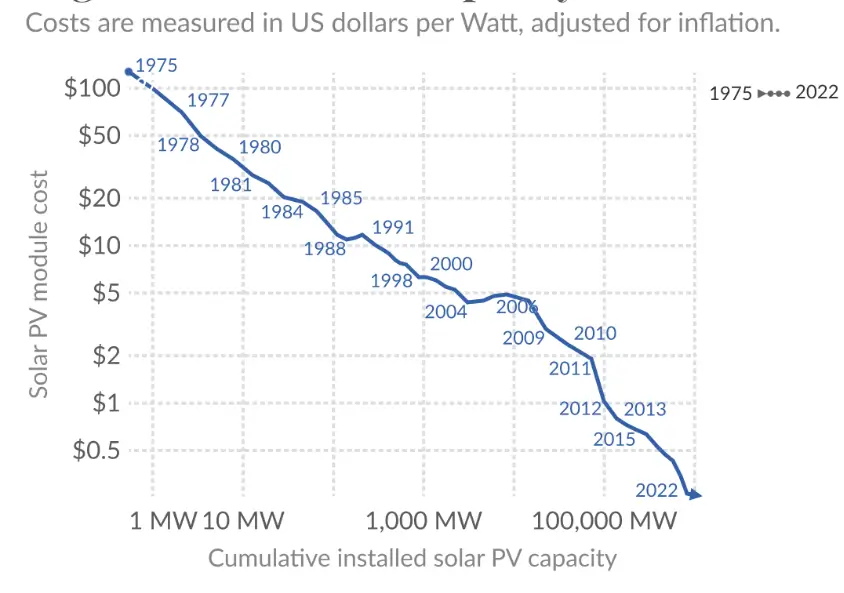
The future of solar energy is bright, with innovations in solar technology and financing mechanisms. New developments in solar panel efficiency and energy storage solutions are expected to drive down the costs of solar installations even further.
Moreover, new financial models like community solar programs and green bonds are likely to provide more affordable and accessible ways for homeowners to switch to solar energy.
Risks and Red Flags in Solar Financing
While the idea of securing solar panels at a steep discount is appealing, homeowners must remain cautious when encountering claims of significant savings. Several risks are associated with less conventional financing options, including:
- Hidden Costs: Some financing plans may appear to offer lower upfront costs, but they could include hidden fees or unfavorable long-term terms that negate the apparent savings.
- Ownership Issues: With prepaid leases or PPAs, homeowners may not fully own the solar panels, which means they could lose out on certain benefits like the ability to sell the system or receive tax credits.
- Unclear Terms: The fine print in contracts related to prepaid plans may include clauses that make it difficult to get out of the agreement or transfer ownership of the panels.
Expert Opinions on the “Discount Secret”
Experts in the solar energy industry caution that many of these “half-price” claims should be taken with a grain of salt. Dr. Mary Green, a leading researcher on renewable energy financing at the University of California, Berkeley, explains, “While prepaid leases and incentives can reduce the cost of solar installation, the notion that homeowners are consistently securing solar panels at half price is misleading.”
Furthermore, Joshua Ramirez, CEO of solar installation company GreenPower Solutions, says, “Incentive programs and financing options can help homeowners save on solar installation, but there is no universal secret or hidden trick that guarantees steep discounts.”
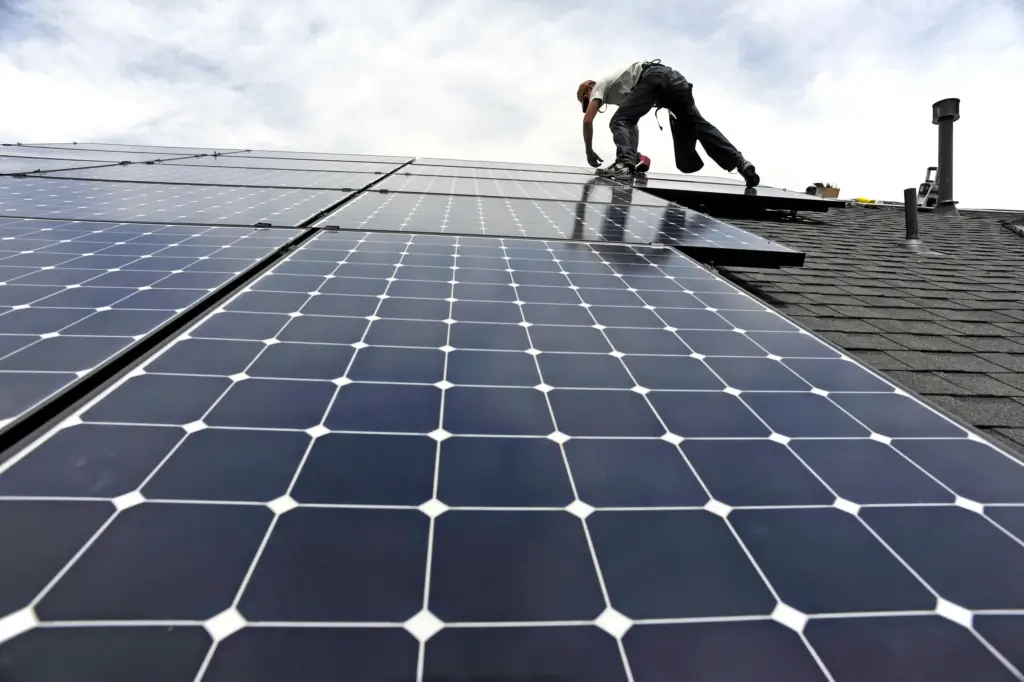
Ramirez advises homeowners to work with reputable installers and thoroughly read through financing agreements to avoid getting trapped in costly deals that don’t deliver promised savings.
Related Links
The Bottom Line: Is the “Discount Secret” a Viable Solution?
While the allure of obtaining solar panels at half the price may sound enticing, the truth is more nuanced. Prepaid leases and alternative financing options can indeed reduce the overall cost of solar installation, but not to the degree many homeowners claim.
Additionally, these methods may involve risks, including hidden fees or long-term contracts that may not be beneficial in the long run. Homeowners seeking to make the switch to solar should carefully evaluate financing options, consider government incentives, and work with trusted providers to ensure they are getting the best deal possible.
While there is no magic “secret” to slashing solar costs, legitimate discounts are available through the right financial products and incentives.
FAQs
What are the main ways to reduce the cost of installing solar panels?
Through government incentives, tax credits like the Investment Tax Credit (ITC), solar rebates, and comparing quotes from different installers.
Can I really get solar panels at half the price?
While some financing options may offer discounts, claims of getting solar panels at half price are often exaggerated. The actual savings can vary from 10-30%, depending on the method used.
Are prepaid solar leases a good deal?
Prepaid leases can offer savings, but homeowners should ensure they understand the full terms and potential risks, including ownership and long-term obligations.
How do government incentives work for solar installations?
Governments offer tax credits and rebates to make solar installations more affordable. These incentives can reduce upfront costs significantly, especially in countries like the U.S. and India.