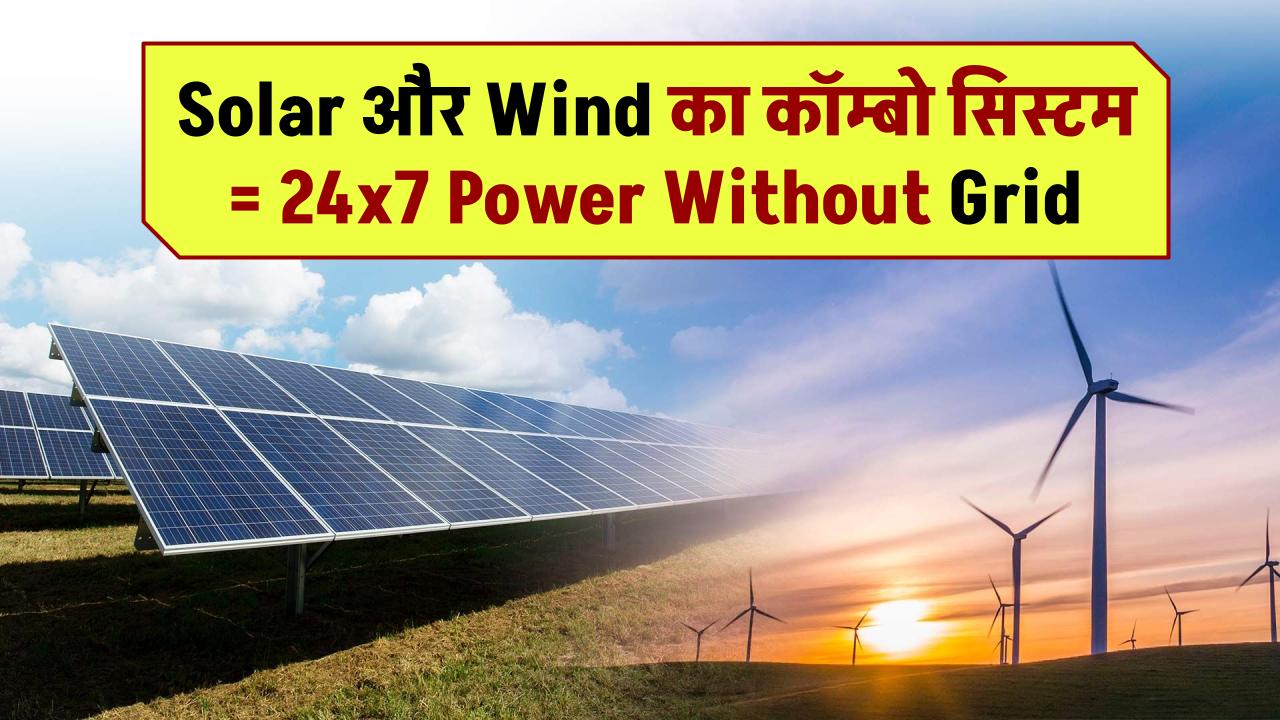

India’s 2030 Solar Vision outlines a sweeping transformation of its energy sector, aiming to install 500 gigawatts (GW) of non-fossil fuel capacity, with solar energy taking centre stage.
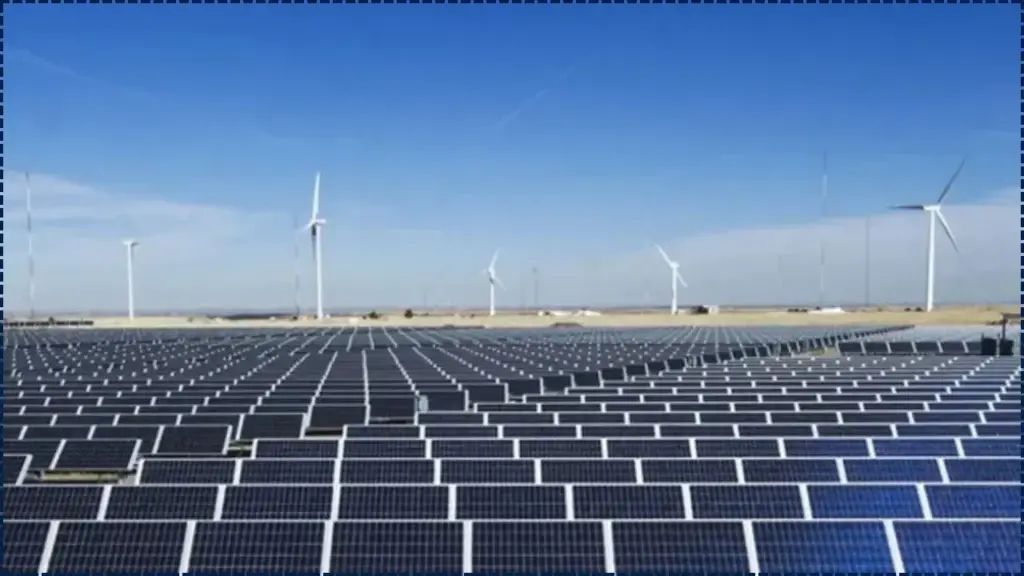
The shift involves five radical changes that promise to redefine the way the country produces, consumes, and exports energy, making solar power the backbone of India’s energy landscape by the end of the decade.
Introduction: India’s Solar Ambitions for 2030
India’s energy landscape is undergoing a seismic shift as the country gears up to meet its ambitious solar targets for 2030. As part of its broader climate and renewable energy strategy, India aims to achieve a 500 GW target for renewable energy, with solar playing a pivotal role in this transformation.
These goals are part of India’s Nationally Determined Contributions (NDCs) under the Paris Agreement, which commit the country to reduce its carbon intensity by 45% from 2005 levels by 2030.
The country’s energy transformation is driven by a need to combat climate change, reduce dependency on fossil fuels, and create a more resilient and sustainable energy future.
1. Massive Expansion of Solar Capacity
Solar as the Backbone of India’s Energy Future
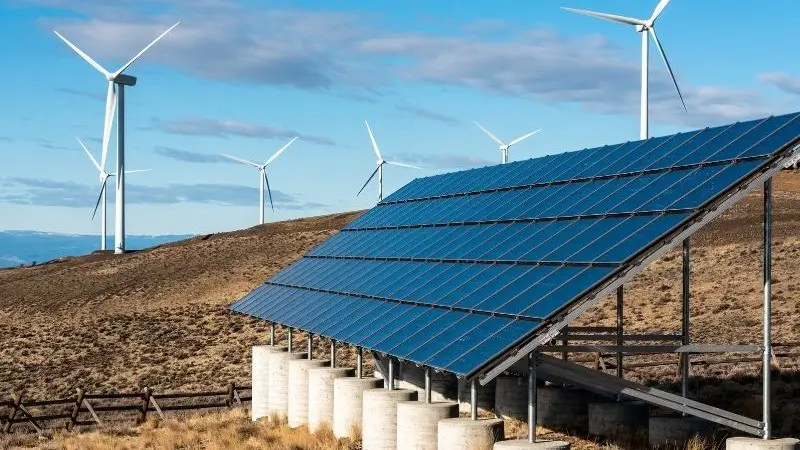
The cornerstone of India’s energy vision for 2030 is the massive expansion of solar energy, with a target of 280 GW of solar power capacity by the end of the decade. This will include utility-scale solar farms, rooftop solar systems, and hybrid models that combine solar with other renewable sources like wind.
India’s current solar capacity of around 100 GW is set to more than double by 2030. Industry experts suggest that this rapid growth will require a sustained effort in terms of investment, technology deployment, and policy support.
According to NITI Aayog, India’s energy policy think tank, utility-scale solar plants are expected to contribute a significant share of this target, while rooftop solar systems will become increasingly prevalent in urban and suburban areas.
The government’s PM KUSUM Scheme (Pradhan Mantri Kisan Urja Suraksha Evam Utthan Mahabhiyan) has been designed to encourage farmers to adopt solar power, adding an additional layer to India’s solar expansion.
Solar parks in areas with high insolation, such as Rajasthan and Gujarat, are expected to form the backbone of this solar revolution. These large-scale projects, supported by both public and private investments, will help India meet its decarbonisation targets.
2. Distributed Solar: Empowering Communities and Homes
Scaling Rooftop Solar to the Masses
While utility-scale solar is important, distributed solar — particularly rooftop solar — will play a crucial role in India’s 2030 vision. The government has set an ambitious target of 40 GW of rooftop solar by 2030, with special focus on residential, commercial, and industrial buildings.
According to International Renewable Energy Agency (IRENA), distributed solar solutions, including home-based systems, will reduce the strain on centralized power grids and allow households to generate their own electricity. This transition will also help reduce electricity costs and foster energy independence.
In metropolitan areas and rural villages, small businesses and even individual homes are expected to adopt solar panels, creating a decentralized network of energy producers. With increasing affordability and government subsidies, rooftop solar is anticipated to become the norm in many parts of India.
Programs like PM Surya Ghar Muft Bijli Yojana (which provides subsidies to low-income households) aim to make solar energy accessible to a wider range of people.
3. Energy Storage: The Key to Solar Reliability
Overcoming the Intermittency of Solar Power
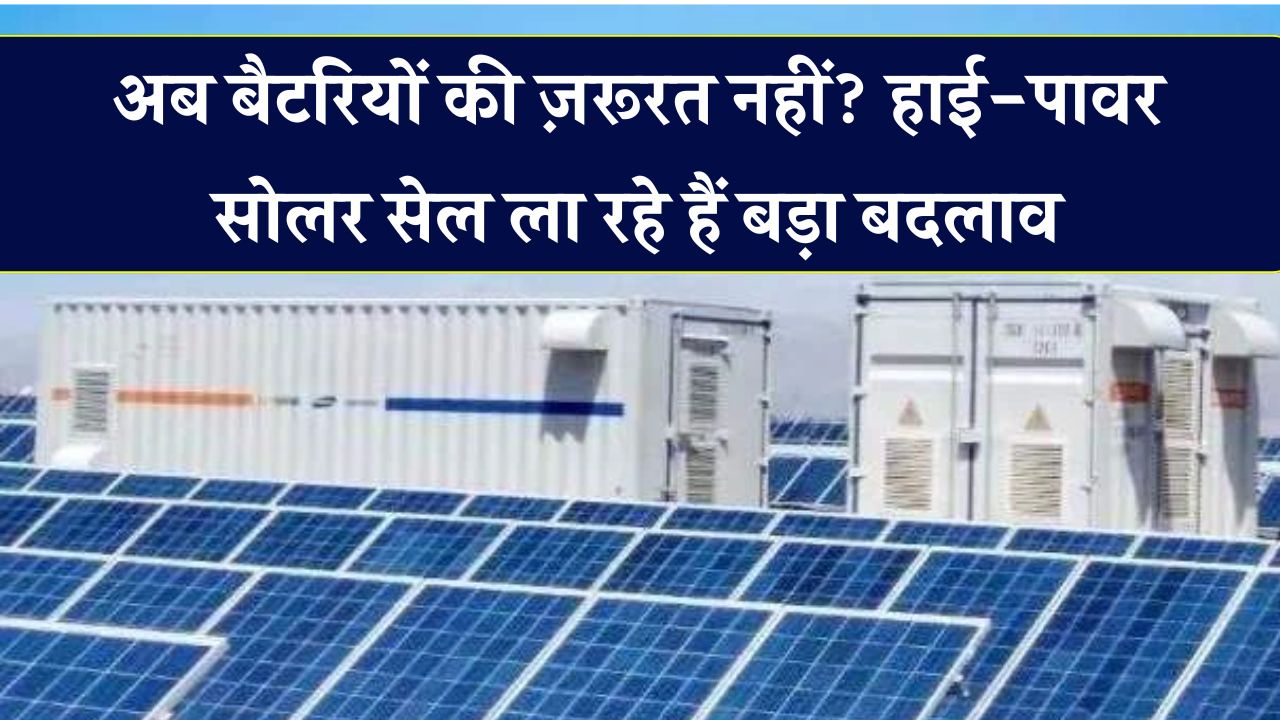
One of the main challenges of solar power is its intermittent nature — solar generation peaks during the day, while demand is typically higher during the evening. To address this, India’s 2030 solar vision includes the large-scale adoption of energy storage systems, particularly battery storage.
Energy storage technologies, such as lithium-ion batteries, are expected to play a critical role in stabilising the grid. These systems store excess solar energy generated during the day for use at night or during cloudy days, ensuring a reliable power supply.
The Rewa Ultra Mega Solar Park in Madhya Pradesh, for example, already integrates energy storage with its solar installations to ensure uninterrupted power delivery.
In addition to improving grid reliability, storage systems will help mitigate the impact of power outages, particularly in rural areas. By combining solar generation with storage, India can move closer to the goal of 24/7 renewable energy, enabling solar to function as a baseload power source.
4. Green Hydrogen: A New Frontier for Clean Energy
Powering Industries and Heavy Transport with Solar-Generated Hydrogen
Green hydrogen — hydrogen produced using renewable electricity — is expected to become a cornerstone of India’s energy strategy by 2030. This clean energy carrier can be used to decarbonize hard-to-electrify sectors such as heavy industry, long-distance transportation, and chemical production.
The Indian government has committed to producing 5 million metric tonnes of green hydrogen by 2030, with solar energy playing a pivotal role in its production. Using solar-powered electrolysis, India plans to generate green hydrogen at scale, reducing reliance on imported fossil fuels and lowering emissions.
The National Green Hydrogen Mission aims to make India a global leader in green hydrogen, attracting investments and creating jobs in the sector. Green hydrogen can also serve as a form of energy storage, storing excess solar power for later use or export.
Industry players such as Adani Green Energy and Reliance Industries have already made significant investments in green hydrogen research and development, and it is expected that this market will grow rapidly in the coming years.
The integration of green hydrogen with India’s solar infrastructure will be key to meeting both energy security and climate goals.
5. Policy and Market Reforms: Ensuring Long-Term Sustainability
Reforming the Power Sector for Clean Energy
To achieve these ambitious solar and renewable energy targets, India will need comprehensive market and policy reforms. Key reforms include grid modernisation, simplified permitting processes, and improved financing mechanisms to encourage renewable energy investments.
India’s electricity grid is undergoing major updates, with improvements in transmission infrastructure to accommodate renewable energy. The government’s National Electricity Policy and the Draft Electricity (Amendment) Bill aim to strengthen the grid, improve reliability, and encourage renewable energy integration.
These reforms will help make renewable energy more accessible and affordable to consumers across the country. Additionally, corporate power purchase agreements (PPAs) and green tariffs are being introduced to help businesses secure renewable energy contracts at competitive prices.
Government-backed financial institutions, including NABARD (National Bank for Agriculture and Rural Development), are also offering low-interest loans and incentives for renewable energy projects, ensuring that financing is available for large-scale solar and storage installations.
Related Links
5 Indian Solar Stocks That Could Be Multi-baggers! Experts Reveal Top Picks for Your Portfolio
Beyond Generation: 5 creative ways to make money from Solar Energy without just selling electricity
The Global Context: India’s Role in the Global Energy Transition
India’s 2030 solar vision is not just a national goal — it is a critical part of the global energy transition. As the world’s third-largest emitter of carbon dioxide, India’s shift to solar and renewable energy will have significant implications for global climate efforts.
India’s renewable energy expansion will help meet the UN Sustainable Development Goal 7 (Affordable and Clean Energy) and contribute to global efforts to limit global warming to 1.5°C above pre-industrial levels.
Moreover, India’s solar revolution is expected to inspire other developing nations to pursue similar energy transformations. India is already leading the International Solar Alliance (ISA), a coalition of 121 countries aiming to promote solar energy worldwide.
The Future of India’s Energy Landscape
India’s 2030 Solar Vision represents one of the most ambitious energy transitions undertaken by any major economy. By leveraging solar power, energy storage, and green hydrogen, India aims to not only meet its domestic energy needs but also contribute to global sustainability goals.
While challenges such as financing, infrastructure, and policy barriers remain, the road ahead is promising. With continued government support, private sector investment, and innovation, India’s energy landscape will likely be transformed by 2030 — ushering in a new era of clean, renewable, and sustainable power.