
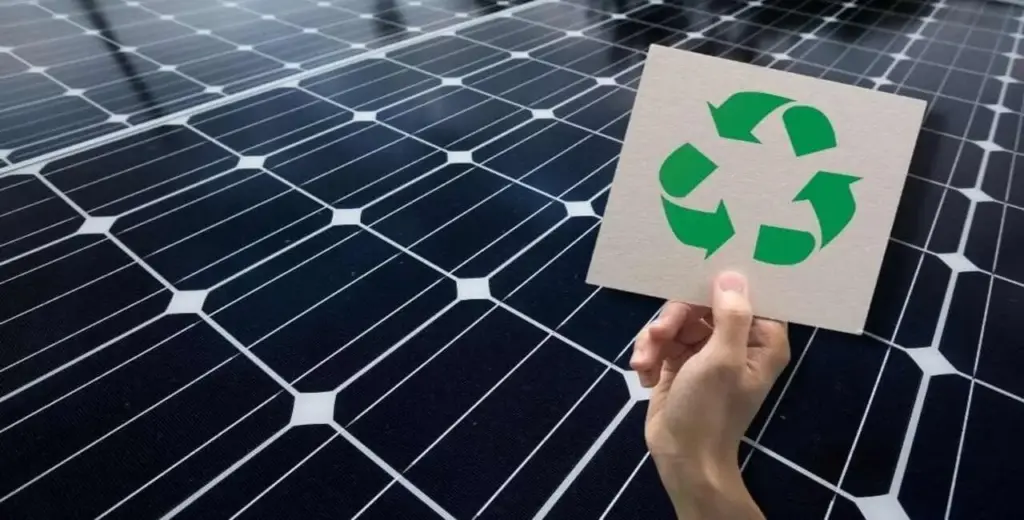
India is accelerating efforts to regulate solar waste management as discarded photovoltaic panels begin to accumulate alongside rapid renewable energy expansion.
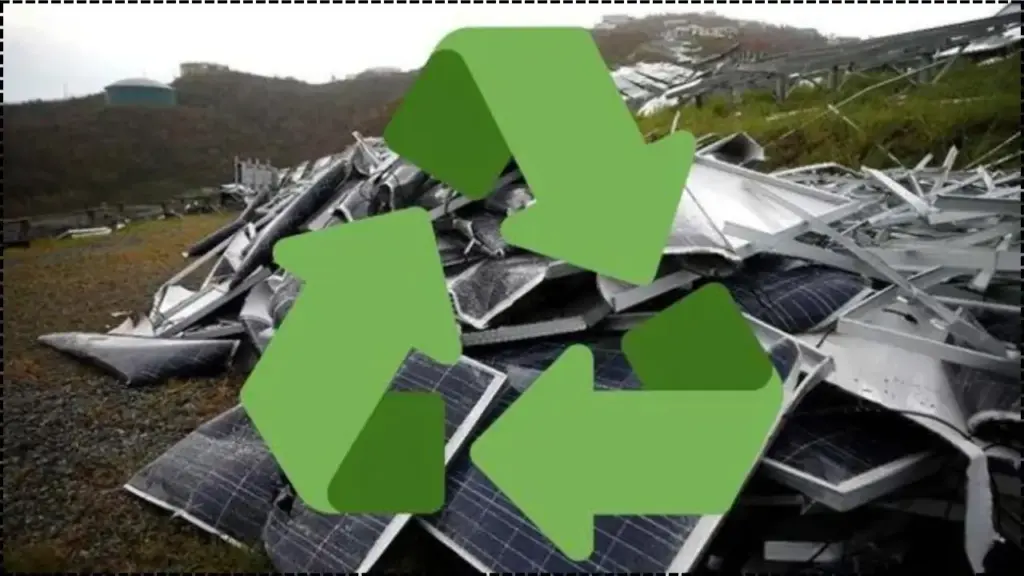
New regulatory frameworks under e-waste laws aim to introduce accountability and recycling systems, though enforcement timelines and infrastructure readiness remain uncertain.
India’s Solar Growth Creates a New Waste Economy
India has emerged as a global leader in solar energy deployment, driven by ambitious climate goals and falling technology costs. The country aims to achieve 500 gigawatts of non-fossil fuel capacity by 2030, with solar energy forming a major share.
However, this rapid expansion has introduced a long-term challenge: managing end-of-life solar panels. Most panels installed in the early 2000s and 2010s will begin reaching retirement age within the next decade.
According to estimates by policy institutions, India could generate millions of tonnes of solar waste by mid-century. This has made solar waste management a critical issue within the broader clean energy transition.
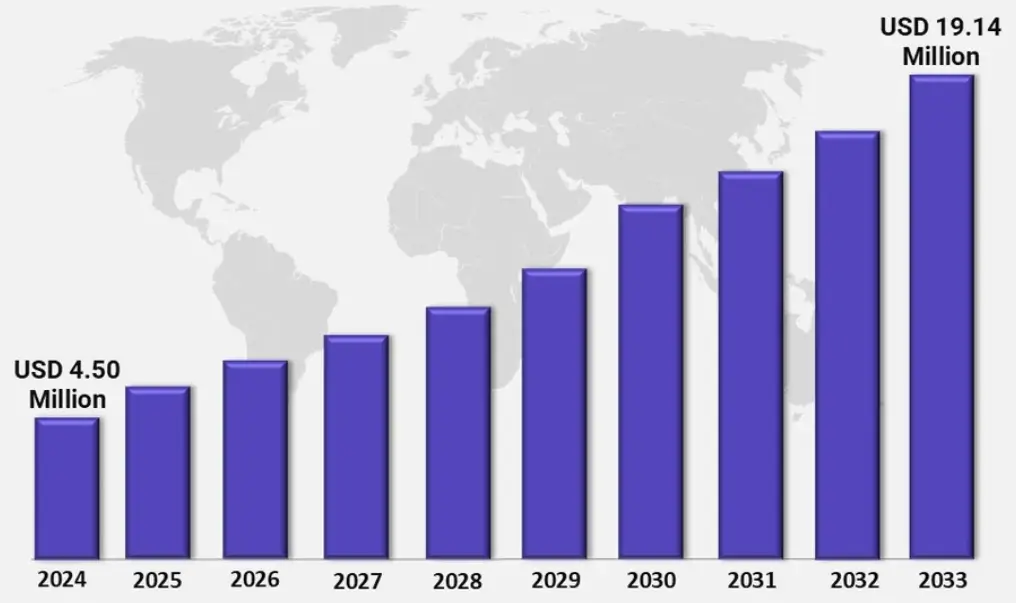
Understanding Solar Waste: What Happens When Panels Retire?
Solar panels are complex electronic products composed of:
- Glass (approximately 70–75%).
- Aluminium frames.
- Silicon cells.
- Trace metals such as silver.
- Hazardous elements like lead or cadmium.
When panels degrade or fail, they must be dismantled and processed carefully. Without proper systems, they may end up in landfills or informal recycling networks.
Experts note that up to 90–95% of panel materials can theoretically be recovered. However, practical recovery rates remain lower due to technological and economic constraints.
Policy Shift: Solar Waste Now Falls Under E-Waste Rules
Formal Classification Under Law
India’s E-Waste (Management) Rules, 2022 marked a turning point by including solar photovoltaic modules within the e-waste category. This brought solar waste into a regulated compliance system.
Extended Producer Responsibility (EPR)
The rules introduced Extended Producer Responsibility (EPR), placing the burden of waste management on manufacturers and importers. Under EPR, producers are expected to:
- Collect end-of-life panels.
- Ensure safe storage and transport.
- Facilitate recycling through authorised facilities.
- Maintain digital records of waste handling.
The framework reflects global best practices but is still evolving in terms of enforcement.
Draft Guidelines Signal Transition Toward Mandatory Recycling
In 2025, the Central Pollution Control Board (CPCB) released draft guidelines focused specifically on solar waste management. Key proposals include:
- Standardised procedures for storage of retired panels.
- Mandatory use of authorised recyclers.
- Restrictions on informal disposal practices.
- Documentation and traceability requirements.
While these guidelines are not yet fully enforced, they signal a shift toward mandatory recycling compliance in the coming years. Policy experts describe this as a “phased regulatory approach,” allowing industry time to build capacity.
Why Solar Waste Management Is Urgent
Rising Waste Volumes
India’s solar waste is currently modest but expected to rise sharply:
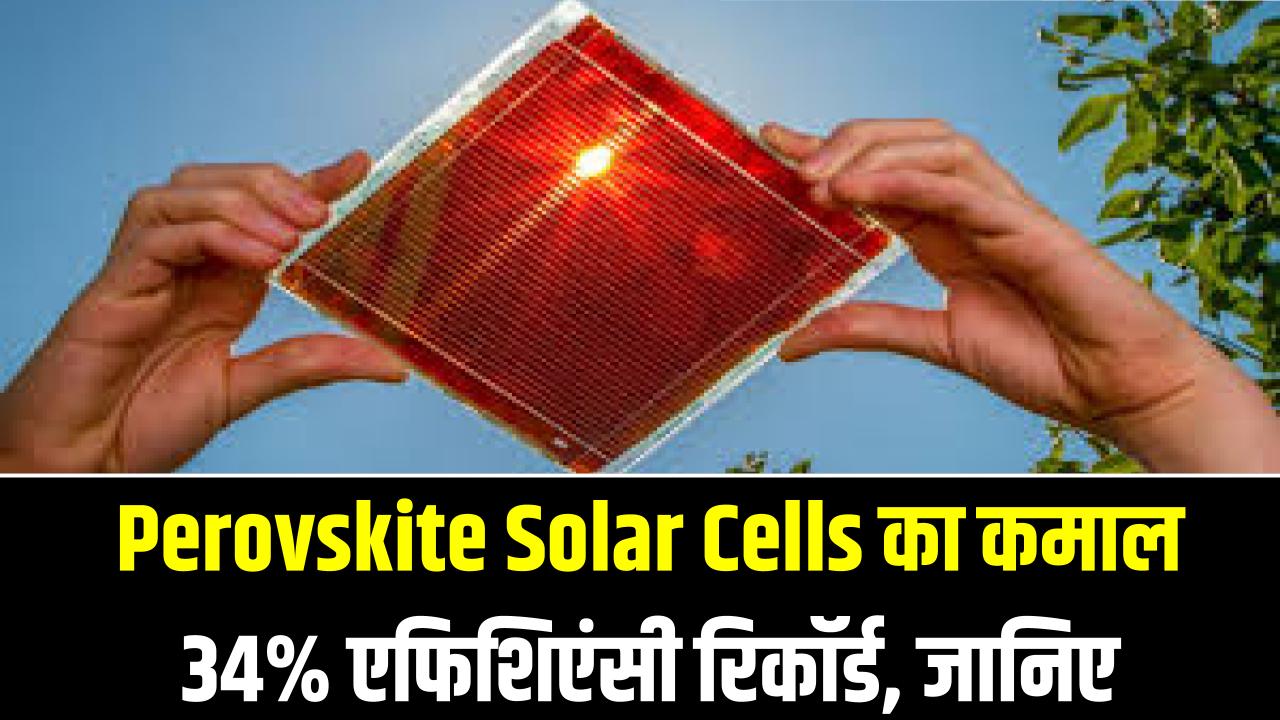
- Significant increase expected after 2030.
- Peak waste volumes projected between 2040 and 2050.
This delayed surge creates a narrow window for policy preparation.
Environmental Risks
Improper disposal can lead to:
- Leaching of toxic metals into soil and groundwater.
- Air pollution from unsafe dismantling.
- Occupational hazards for informal workers.
Economic Opportunity
Recovered materials such as aluminium, glass, and silver have market value. Efficient recycling systems could create a circular economy within the solar sector.
Global Comparison: How India Stands
India is not alone in facing solar waste challenges.
- The European Union (EU) mandates recycling under its Waste Electrical and Electronic Equipment (WEEE) Directive.
- The United States relies on state-level policies, with limited federal regulation.
- Countries like Japan are investing heavily in recycling technologies.
Compared to these regions, India is still developing its regulatory and infrastructure framework. However, analysts note that India has the advantage of learning from global experiences and avoiding early mistakes.
Technology and Innovation in Solar Recycling
Solar panel recycling involves several processes:
- Mechanical separation (removing frames and glass).
- Thermal or chemical treatment (extracting silicon and metals).
- Material purification.
Emerging technologies aim to improve recovery rates and reduce costs. Indian startups and research institutions are beginning to explore these innovations. However, large-scale deployment remains limited.
Challenges Hindering Effective Solar Waste Management
Infrastructure Gaps
India lacks sufficient dedicated facilities for solar panel recycling. Existing e-waste units are not fully equipped for photovoltaic materials.
Economic Constraints
Recycling is often not profitable due to:
- High processing costs
- Low value of recovered materials
- Lack of economies of scale
Regulatory Uncertainty
While policies are evolving, clear timelines and enforcement mechanisms are still being defined.

Informal Sector Integration
A significant portion of India’s waste management relies on informal workers. Integrating them into formal systems remains a complex task.
Industry Response and Preparedness
Solar developers and manufacturers are beginning to adapt:
- Some companies are planning take-back programmes.
- Industry bodies are engaging with regulators.
- Pilot recycling projects are underway.
However, preparedness varies widely across the sector. Large firms are better positioned to comply, while smaller players may face challenges.
What This Means for Stakeholders
For Manufacturers
- Compliance with EPR requirements will become essential.
- Investment in recycling partnerships may be necessary.
For Solar Project Developers
- Lifecycle planning must include disposal strategies.
- Contracts may need to include recycling clauses.
For Consumers
- Awareness of panel lifecycle is increasing.
- Choosing compliant suppliers will become important.
Policy Roadmap: What Comes Next
India’s approach is expected to evolve in phases:
- Short Term (2023–2027)
- Registration and storage compliance
- Draft guideline finalisation
- Medium Term (2027–2035)
- Introduction of recycling targets
- Expansion of infrastructure
- Long Term (Post-2035)
- Full enforcement of mandatory recycling
- Mature circular economy ecosystem
Related Links
India’s 2026 Solar Outlook: Beyond Upfront Incentives—Why Grid Integration is the New Focus
Smart Inverters & Dynamic Exports: How New Rules in SA and VIC Affect Your Solar Earnings
Context and Source Reference
The regulatory framework, compliance structure, and evolving policy direction discussed in this article are supported by detailed documentation provided in the source material.
India’s renewable energy success has created a parallel responsibility: managing the waste generated by solar infrastructure. The shift toward structured solar waste management reflects a broader recognition that sustainability must extend across the entire lifecycle of clean technologies.
While mandatory recycling is not yet fully enforced, the direction is clear. The effectiveness of India’s approach will depend on how quickly it can align regulation, infrastructure, and industry readiness.
If successful, the country could transform a looming environmental challenge into a model for circular economy practices in the global solar sector.