
The Maharashtra Electricity Regulatory Commission (MERC) has announced the commencement of a public consultation period for its draft renewable energy tariffs for the 2026–27 financial year. Stakeholders, including renewable energy producers, consumers, industry bodies, and civil society organizations, have been invited to submit their feedback and objections by 20 March 2026.
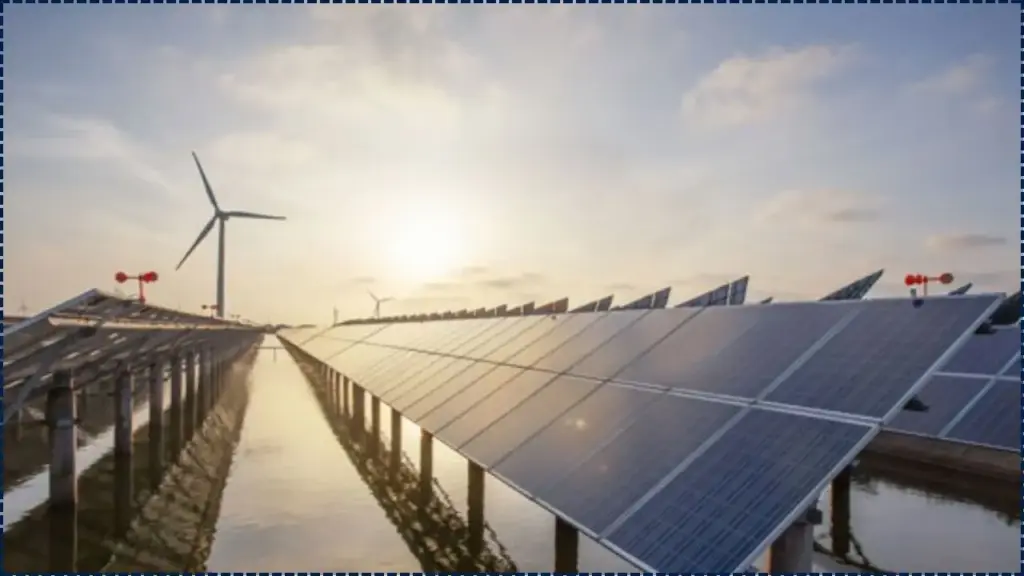
The proposed tariffs will govern compensation for solar, wind, and biomass energy producers, particularly addressing the payment structure for surplus energy exported to the grid under net metering, gross metering, and net billing systems.
MERC Seeks Public Feedback
| Key Fact | Detail |
|---|---|
| Consultation Opening | MERC opens consultation for draft renewable energy tariffs for FY 2026–27 |
| Tariff Proposal | Focus on compensation for solar, wind, and biomass energy producers |
| Deadline for Submissions | 20 March 2026 |
| Primary Focus Areas | Net metering, gross metering, and net billing compensation mechanisms |
Historical Context of MERC’s Tariff Review Process
Since its establishment, MERC has been instrumental in shaping Maharashtra’s energy landscape. The commission sets electricity tariffs to ensure fair pricing for consumers while enabling growth in renewable energy sectors.
Over the years, MERC has progressively adjusted tariff structures to encourage solar energy adoption and integrate renewable sources into the state’s grid. For example, earlier tariff revisions have included subsidies for rooftop solar installations and support for wind farm developers.
However, these revisions have also faced pushback, particularly from smaller renewable producers, who have criticized certain tariff policies for not offering adequate compensation for surplus energy.
This current consultation on renewable energy tariffs comes at a critical time as the state seeks to significantly boost its renewable energy capacity, aiming for 17,000 MW of renewable energy by 2025.
The ongoing policy adjustments reflect the growing importance of distributed generation systems and the need for an updated tariff structure that meets the needs of producers while maintaining grid stability.
The Role of Distributed Generation in Maharashtra’s Energy Grid
The rise in distributed energy generation—primarily rooftop solar systems—has transformed the energy dynamics in Maharashtra. As more homeowners and businesses install solar panels, surplus energy is fed back into the grid through net metering and gross metering arrangements.
These distributed generation systems are an essential part of Maharashtra’s energy strategy to meet renewable energy targets. However, integrating large amounts of small-scale energy production into the grid comes with challenges.
Grid operators must ensure smooth electricity distribution while accounting for the intermittent nature of solar and wind energy. The proposed tariffs in the draft order are designed to compensate solar power producers in a way that aligns with grid needs.
By offering fair compensation for excess energy, the tariffs encourage further rooftop solar adoption while ensuring that solar power producers remain incentivized and profitable.
International Best Practices in Renewable Energy Tariff Setting
While India has made significant strides in renewable energy policy, examining global best practices can offer valuable insights into how other countries are managing similar challenges.
In Germany, a leader in renewable energy adoption, the Feed-in Tariff (FiT) system guaranteed long-term compensation rates for solar and wind power producers, making the country one of the world’s top renewable energy markets.
Similarly, Denmark has implemented a flexible tariff structure for wind energy, where tariffs are adjusted based on market conditions and grid capacity. The success of such systems has driven the expansion of clean energy across these nations.
These international models provide useful reference points for India’s evolving renewable energy policy, particularly in grid integration and long-term financial sustainability.
As India moves towards integrating more renewable energy into its grid, MERC can benefit from learning from these models while crafting policies that are uniquely suited to Maharashtra’s specific challenges, such as its vast geographical variation and energy consumption patterns.
The Economic Impact of Proposed Tariffs
The proposed renewable energy tariffs have far-reaching economic implications. On one hand, fair compensation for surplus energy produced by solar and wind farms could incentivize private investment in renewable energy infrastructure.
This would not only help the state meet its renewable energy targets but also create green jobs in manufacturing, installation, and maintenance of renewable systems. On the other hand, the introduction of fair compensation policies could lead to lower electricity prices for consumers in the long term, as renewable energy becomes a more prominent part of Maharashtra’s energy mix.
Over time, this would reduce the state’s dependence on fossil fuels, resulting in economic savings from both imported fuel costs and grid management expenses. However, concerns have been raised regarding the potential financial burden on consumers if tariffs are set too high.
Consumer groups argue that high renewable energy compensation could lead to higher electricity costs for those who cannot afford to install solar panels or invest in other renewable solutions. MERC will need to strike a balance that allows for continued investment in renewable infrastructure while protecting vulnerable consumers.
The Future of Maharashtra’s Renewable Energy Landscape
Looking ahead, the draft tariff order is just one step in Maharashtra’s broader effort to lead India’s transition to a cleaner energy future. With renewable energy accounting for a significant share of the state’s total energy consumption, the proposed tariff structure could catalyze further growth in solar and wind energy production.
The state is also likely to focus more on energy storage solutions and grid modernization to better integrate renewable energy into the main grid. These infrastructure advancements will make it easier for producers to supply clean energy consistently, reducing dependency on conventional power sources.
MERC’s future tariff orders will likely continue to evolve in response to changing technological advancements, market dynamics, and national climate goals. As the global push toward decarbonization accelerates, Maharashtra’s energy policies will be closely watched as a model for other states.

Related Links
Speed & Sustainability: The Solar P1 Pro Scooter Offers 50mph Performance at a Competitive Price
Rajasthan Goes Hybrid: New Policy Clears Inverters for Rooftop Solar-Plus-Storage
Public Participation: Get Involved
MERC’s public consultation is an essential part of ensuring that the tariff structure is both fair and inclusive. Interested stakeholders can submit their objections or suggestions via MERC’s official website.
The consultation period will end on 20 March 2026, after which MERC will review all feedback before finalizing the tariff order. This process ensures that all voices—from energy producers to consumers—are heard and considered before MERC makes its final decision on renewable energy tariffs.
For more details, stakeholders can visit the MERC website or participate in public hearings scheduled in the coming weeks.