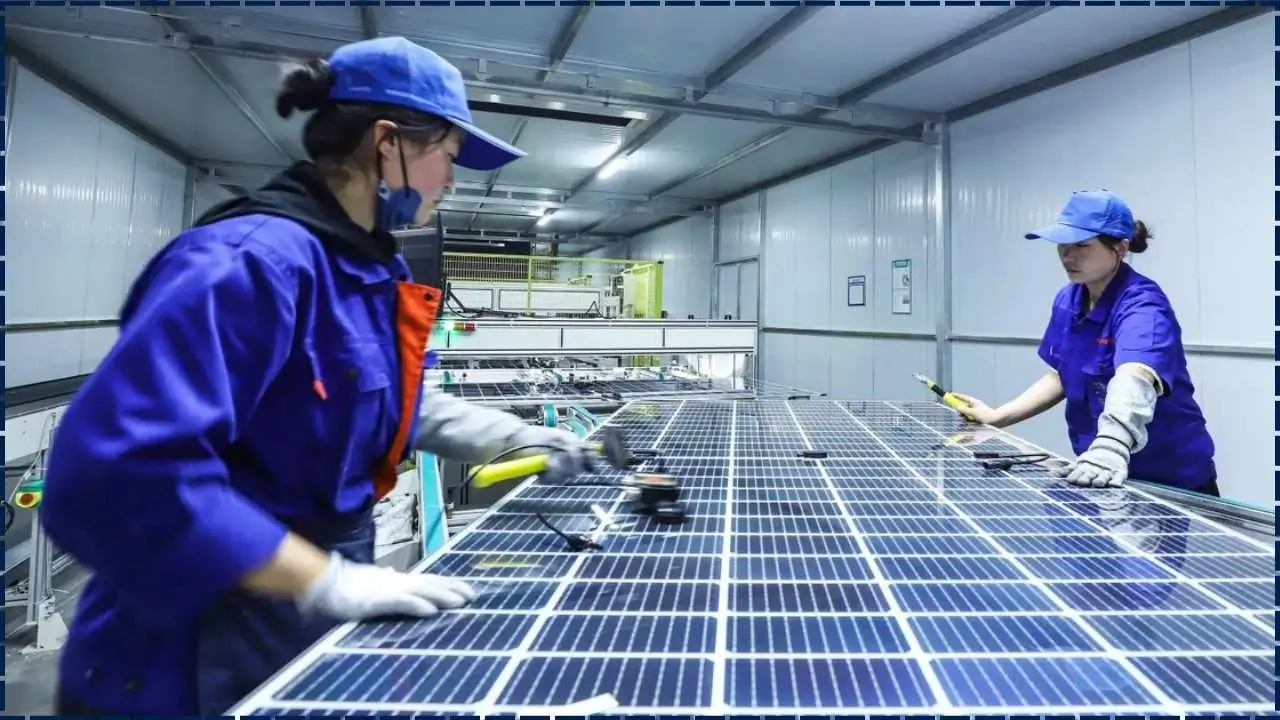
India, the world’s third-largest emitter of greenhouse gases, is undergoing an ambitious transformation of its energy sector. The country is rapidly shifting from fossil fuels to multi-source energy solutions, including renewables like solar and wind, green hydrogen, nuclear reforms, and the use of smart digital infrastructure.
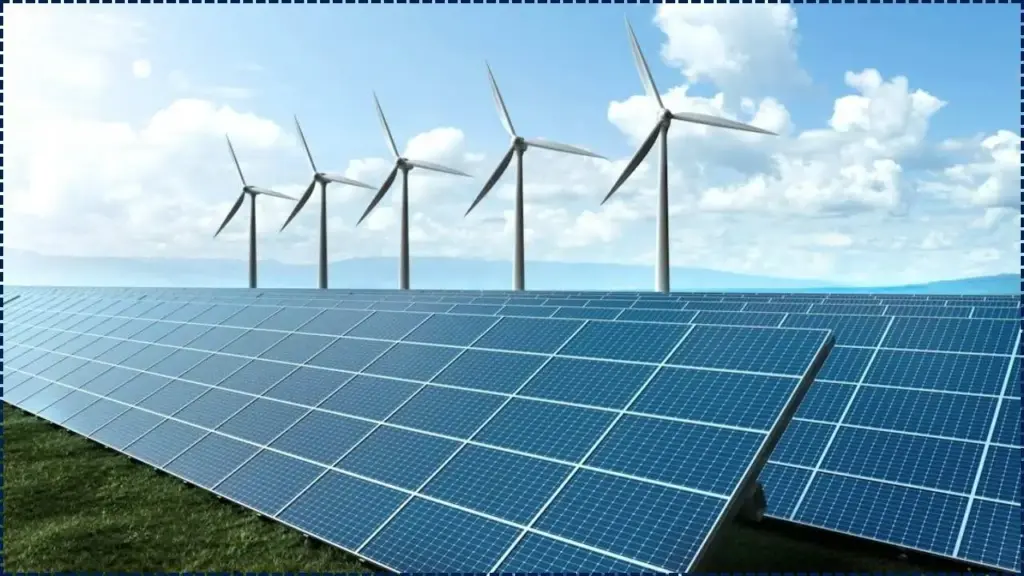
These efforts are aimed at reducing carbon emissions, boosting energy security, and meeting the nation’s growing electricity demand while striving for net-zero emissions by 2070.
This article explores the critical elements of India’s energy transition, examining how renewable energy, green hydrogen, nuclear power, and digital infrastructure are interwoven to drive the country toward a more sustainable and resilient energy future.
India’s Multi-Source Energy Shift
| Key Fact | Detail/Statistic |
|---|---|
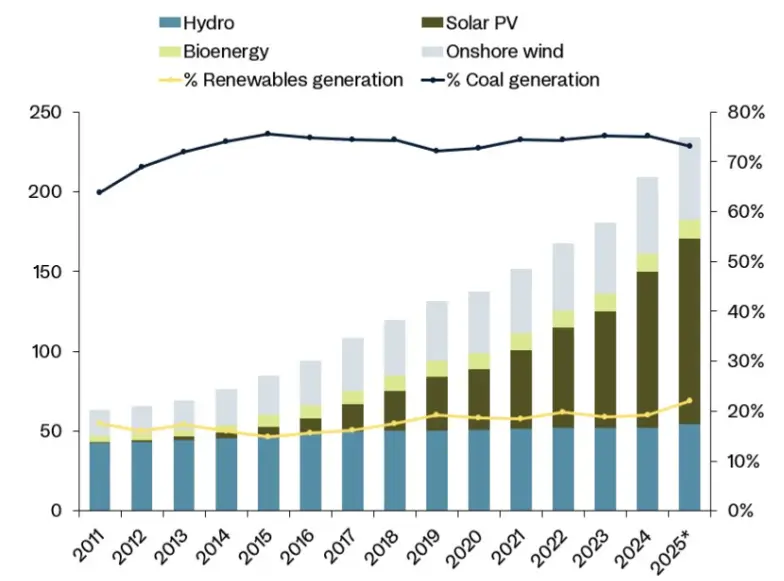
| Renewable Energy Capacity | 234 GW of renewable capacity by 2025 |
| Green Hydrogen Mission | National policy launched for large-scale hydrogen production |
| Nuclear Energy Reform | 100 GW nuclear capacity by 2047 |
| Digital Grid Transformation | Smart grids and energy management systems for resilience |
The Renewable Revolution: Solar and Wind Power Lead the Charge
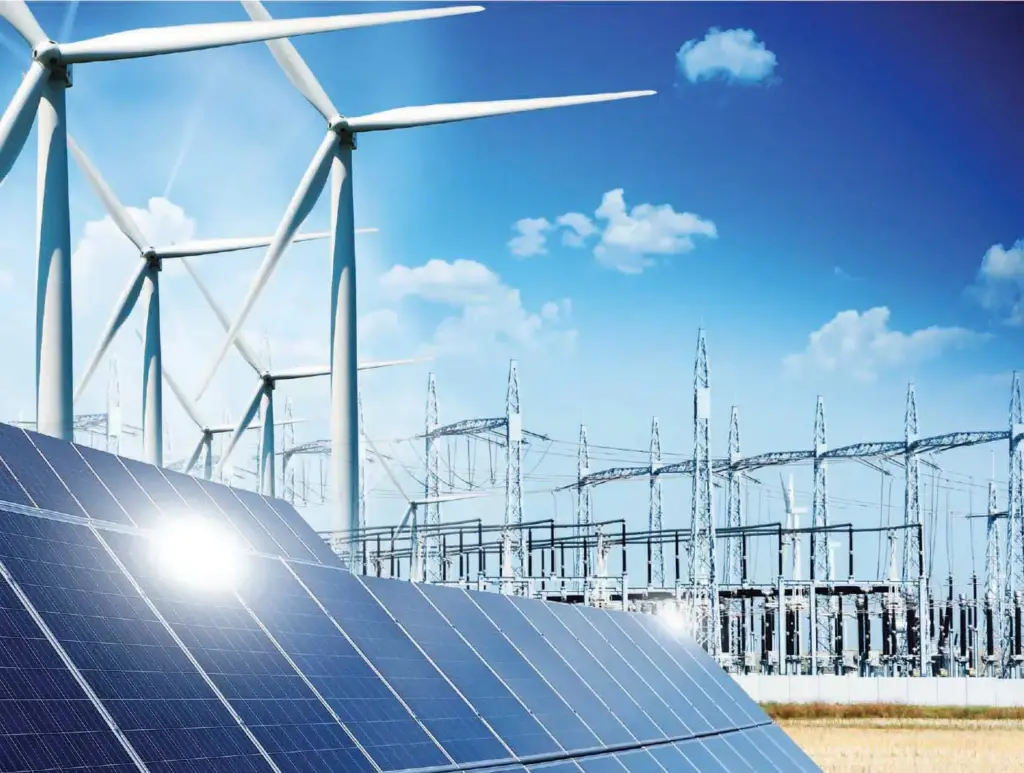
India’s renewable energy sector has grown exponentially in recent years. With over 234 GW of installed renewable capacity, India is on track to meet its ambitious goal of 500 GW of renewable energy by 2030. By 2025, India aims to have 100 GW of solar energy capacity, making it one of the world’s largest producers of solar power.
Comparing Global Efforts: India vs. Other Nations
India’s commitment to renewables sets it apart from other emerging economies. While countries like China and the U.S. have made strides in solar and wind power, India’s aggressive renewable capacity targets and large-scale government programs place it at the forefront of the global energy transition.
In fact, India ranks among the top three countries globally in terms of renewable energy investments, signaling the country’s leadership in global clean energy efforts. Experts also highlight India’s decentralized energy approach, where rooftop solar and off-grid solutions are being widely adopted in rural and urban areas alike.
These smaller-scale projects complement large solar farms and wind parks, significantly contributing to clean energy access in remote regions.
Green Hydrogen: A Game Changer in Industrial Decarbonization
In parallel with its renewable energy expansion, India is investing heavily in green hydrogen, a clean fuel produced by splitting water using renewable electricity. Green hydrogen has immense potential to decarbonize sectors that are hard to electrify, such as heavy industry, shipping, and long-haul trucking.
The National Green Hydrogen Mission launched in 2023 positions India as a global hub for hydrogen production, with a target of 5 million metric tons of hydrogen annually by 2030. This mission will reduce India’s reliance on fossil fuel imports and create new avenues for green jobs.
“Hydrogen will be the cornerstone of our low-carbon economy, and with India’s massive renewable energy capacity, we are well-positioned to lead this global shift,” said Suresh Rathi, a senior official with the Ministry of New and Renewable Energy.
Nuclear Power Reforms: Strengthening Baseload Capacity
Despite rapid growth in renewable energy, nuclear power remains crucial for providing baseload electricity that is stable and reliable. India’s long-term plan aims for 100 GW of nuclear energy by 2047, with nuclear reforms focused on improving technology, safety, and fuel efficiency.
India’s Pressurized Heavy Water Reactors (PHWRs) and Small Modular Reactors (SMRs) are key to scaling up nuclear generation. These reactors provide a reliable alternative to the intermittent nature of wind and solar power, ensuring grid stability during periods of low renewable generation.

The government is also working to domestically produce uranium and strengthen its nuclear fuel cycle to reduce reliance on imports. As Ajit Kumar Mohanty, Chairman of the Nuclear Power Corporation of India (NPCIL), explained, “The future of nuclear power in India lies in both scaling existing plants and deploying advanced reactors for faster, cleaner energy production.”
Digital Infrastructure: The Backbone of India’s Energy Transition
As India integrates intermittent renewable sources like solar and wind into its grid, the role of digital infrastructure becomes indispensable. Smart grids, advanced metering, and energy storage systems are being implemented to ensure that energy is efficiently distributed and consumed.
India’s push to digitize its energy infrastructure is designed to address the growing complexity of managing diverse energy sources. Energy storage, particularly battery storage technologies, plays a critical role in bridging the gap between power generation and demand, allowing excess energy from solar or wind to be stored for later use.
Additionally, India is expanding blockchain-based energy trading systems that allow consumers and producers to buy and sell clean energy directly, improving market transparency and efficiency.
Job Creation and Economic Opportunities
India’s energy transformation is also expected to create significant economic opportunities. The renewable energy sector alone could generate over 3 million jobs by 2030, with a focus on solar manufacturing, energy storage, and green hydrogen production.
Additionally, India’s push to build hydrogen hubs and offshore wind farms will attract foreign investments and foster the growth of clean energy technology.
According to Dr. Anya Sharma, an energy economist at the University of Delhi, “The transition to green energy will not only reduce carbon footprints but will also create new avenues for employment, fostering a cleaner, greener economy.”
Environmental Impact and Climate Goals
India’s multi-source energy strategy aligns with its climate change commitments under the Paris Agreement. The country has pledged to reduce its carbon intensity (emissions per unit of GDP) by 45% by 2030, compared to 2005 levels, and achieve net-zero emissions by 2070.
With renewable energy accounting for 50% of its total energy capacity by 2030, India is well on track to meet its decarbonization targets. Furthermore, India’s shift to green hydrogen and nuclear energy will complement its efforts to reduce reliance on fossil fuels, bringing it closer to its Net-Zero 2070 commitment.
Related Links
Challenges Ahead: Policy, Infrastructure, and Investment Needs
Despite these ambitious goals, India faces several challenges in implementing its energy transition. Among the primary concerns are the need for greater policy coherence across states and sectors, the high cost of scaling energy storage technologies, and delays in land acquisition for renewable energy projects.
Additionally, the lack of a comprehensive national policy on energy storage and smart grid infrastructure continues to hinder progress.
“While India has the potential to lead globally in renewable energy, ensuring smooth integration and scaling up requires strong collaboration between the government, private sector, and local communities,” said Dr. Raghav Kumar, a senior energy policy advisor.
A Vision for the Future: India’s Integrated Energy Strategy
India’s vision for the future is clear — a diversified, secure, and sustainable energy system that supports economic growth while tackling climate change. By integrating renewable energy, green hydrogen, nuclear power, and smart digital grids, India is taking significant steps toward a low-carbon, resilient energy future.
Looking ahead, the key to success will be overcoming the challenges of infrastructure, investment, and policy coordination. However, with strong governmental support, technological innovation, and the collective efforts of the private sector, India is poised to meet its energy and climate goals.