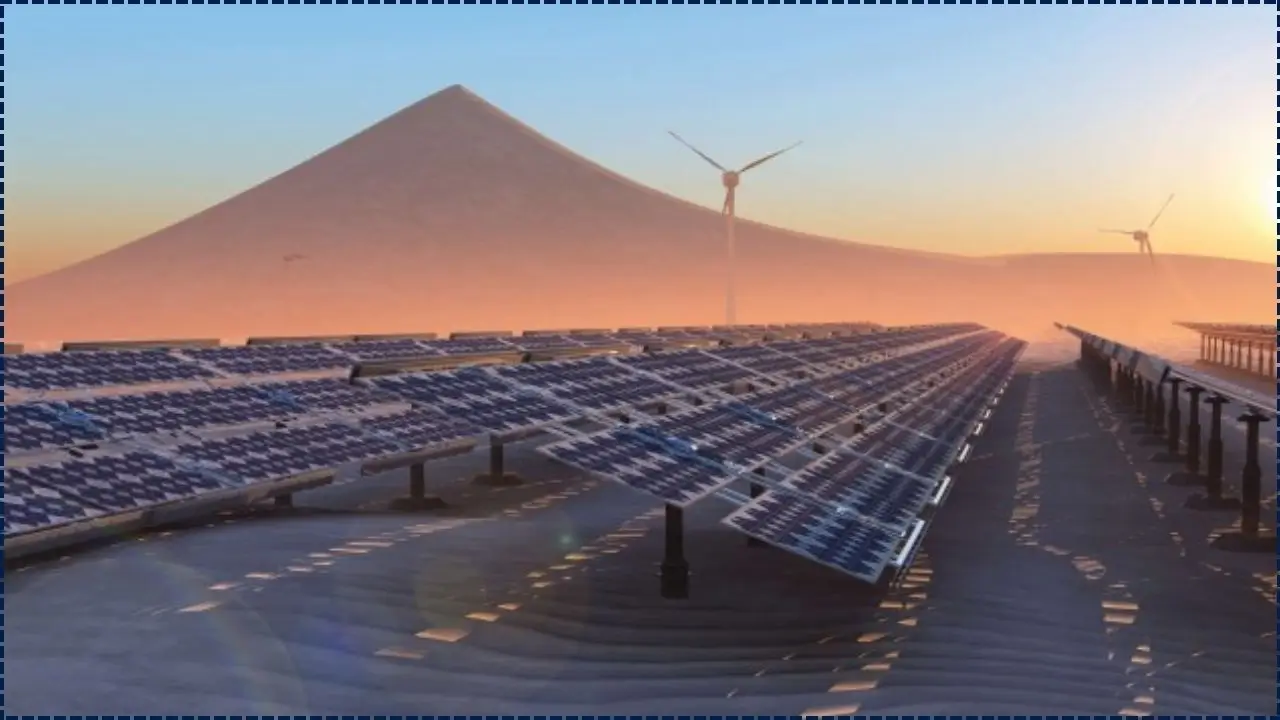

For over a decade, perovskite solar cells (PSCs) have captivated the solar energy world with their astonishingly high efficiency. Despite being made from relatively simple materials, these cells have achieved efficiencies rivaling those of traditional silicon-based panels, but the reason behind their success has long been unclear.
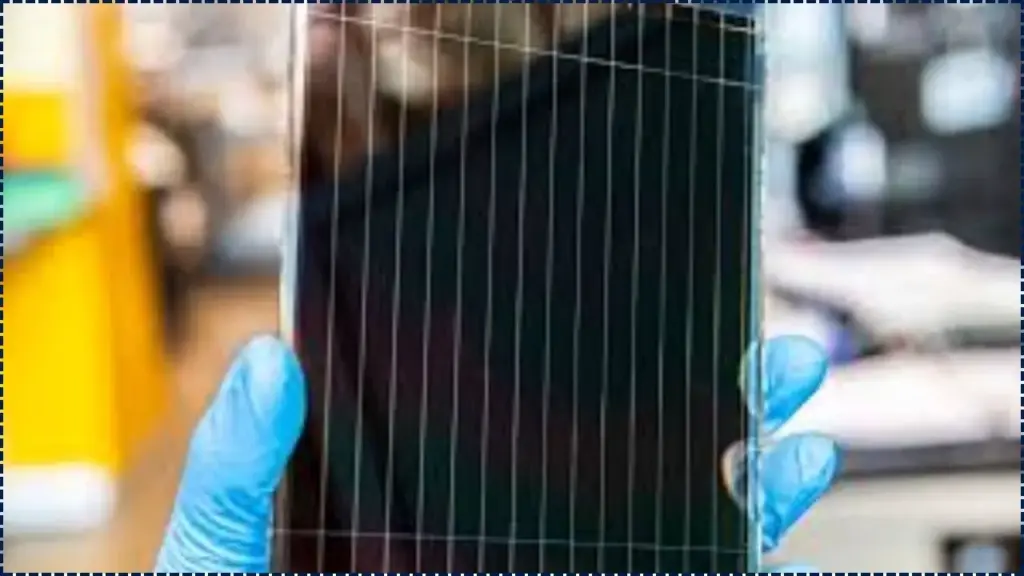
Recently, physicists have solved the mystery, revealing how perovskites maintain their impressive performance even with defects in the material. This breakthrough could pave the way for more cost-effective and durable solar technologies, revolutionizing the energy industry.
What Makes Perovskite Solar Cells Different?
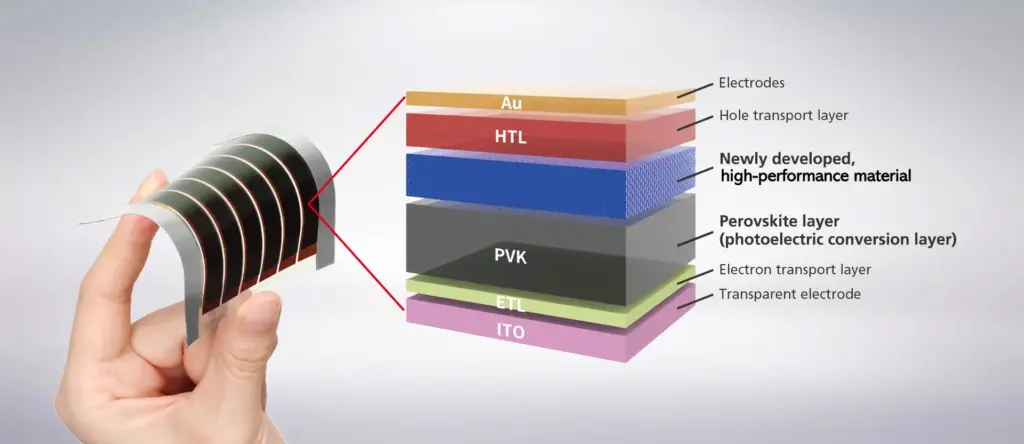
Perovskite solar cells use a specific crystal structure known as the perovskite structure, which consists of materials such as organic-inorganic hybrid compounds. This structure allows the cells to absorb light more efficiently than traditional materials.
They have shown the potential for high power conversion efficiencies (PCE), rising from less than 4% in 2009 to over 25% today — a pace of improvement far faster than silicon solar cells, which took decades to reach comparable efficiencies.
The crystalline structure was first implemented into a solid‑state solar device in 2012 by researchers including Nam‑Gyu Park, marking a pivotal moment in perovskite research.
The Mystery Behind Their Efficiency
While perovskite solar cells had already demonstrated exceptional efficiency, the mystery lay in how these cells could maintain high performance despite inherent defects in their structure. Materials science typically dictates that defects—imperfections in the crystal lattice—should disrupt charge transport, leading to lower efficiency.
However, perovskites, in many cases, perform even better than expected, especially when defects are present. Recent studies have uncovered the physics that makes this possible: perovskite cells are highly tolerant of defects, and charge carriers (electrons and holes) can still travel long distances despite these imperfections.
This new understanding could guide future research to further enhance the material’s stability and scalability.
Defect Tolerance: The Key to High Efficiency
In traditional solar cell materials like silicon, defects are problematic because they trap charge carriers, preventing them from moving freely through the material and reducing the cell’s efficiency.
In perovskite cells, however, defect tolerance appears to be a major contributing factor. Researchers have discovered that many of the defects in perovskite crystals do not trap charge carriers, allowing them to travel toward the electrodes without recombining, which is a crucial step in generating electricity.
Dr. Jennifer Huang, a leading physicist in the study, explains: “The efficiency of perovskite solar cells can be attributed to the exceptional tolerance to defects, which is a unique feature among semiconductors. This tolerance ensures that despite imperfections, charge carriers remain free to contribute to the current.”
In simpler terms, the defects don’t function as energy sinks that waste potential electrical energy. Instead, they stabilize the material and even assist in facilitating better charge transport than originally thought.
How Perovskites Transport Charge Efficiently
Another critical aspect of perovskite’s success lies in their charge transport properties. The hybrid structure of perovskites facilitates efficient movement of electrons and holes — the two primary charge carriers in solar cells — across the material.
Perovskites possess a combination of high electron mobility and high hole mobility, meaning they allow both electrons and holes to move quickly without recombining prematurely. This leads to efficient electrical current generation.

Moreover, scientists have discovered that perovskites exhibit a unique band structure that makes them ideal for light absorption while maintaining efficient charge transport. This allows perovskites to harvest energy over a wide spectrum of light, from ultraviolet to infrared, contributing to their impressive performance.
Comparing Perovskites to Other Solar Technologies
Silicon vs. Perovskite: Efficiency vs. Cost
Silicon solar cells, the most widely used technology, have an established track record of reliability and efficiency. However, they are expensive to manufacture, particularly due to the high-temperature processes required to make them. In contrast, perovskite solar cells are cheaper to produce, thanks to solution-based processing, which allows for large-scale fabrication at room temperature.
While silicon panels have outperformed perovskites in terms of long-term stability, perovskites have made impressive strides, and their potential for flexibility and lightweight applications gives them a unique advantage in areas where silicon is too rigid or expensive.
Tandem Solar Cells: The Future of Efficiency
One of the most exciting prospects for perovskites is the development of tandem solar cells, which combine perovskite layers with silicon layers. This pairing can overcome the efficiency limits of each material.
For instance, perovskites can absorb a broader range of light, while silicon excels in other regions of the spectrum. Researchers have already demonstrated tandem cells with efficiencies above 30%, surpassing the efficiency of silicon alone.
Real-World Applications of Perovskite Solar Cells
Flexible Solar Panels for Portable Devices
Due to their flexibility and light weight, perovskite solar cells are ideal for portable energy applications, such as solar chargers for smartphones, wearable devices, and electric vehicles. These cells can be integrated into fabrics or rolled up for easy transportation and use, giving them a distinct edge over traditional silicon panels.
Building-Integrated Photovoltaics (BIPV)
Perovskite cells are also a promising solution for building-integrated photovoltaics (BIPV), where solar cells are incorporated directly into windows, facades, or rooftops. Their aesthetic flexibility and transparency open up new possibilities for integrating solar energy generation into buildings without compromising design or space.
Industry Adoption and Investment
Key Industry Players
Leading players in the solar energy sector have already begun to invest in perovskite technologies. Companies like Oxford PV and Saule Technologies are at the forefront of scaling up perovskite solar technology. These companies are working on commercializing perovskite-based solar panels, with production aiming for mass-market applications in the next few years.
Global Solar Markets
The global solar market is set to benefit from perovskite’s cost-effectiveness and efficiency. Countries that have made large investments in renewable energy—such as China, the EU, and the US—could see perovskite solar cells significantly reduce energy production costs, especially for projects that require large surface areas for solar panel installation.
Future Projections for Perovskite Solar Cells
Experts believe that in the next five to ten years, perovskite solar cells could account for up to 25% of the global solar market, as ongoing research addresses their stability and environmental concerns.
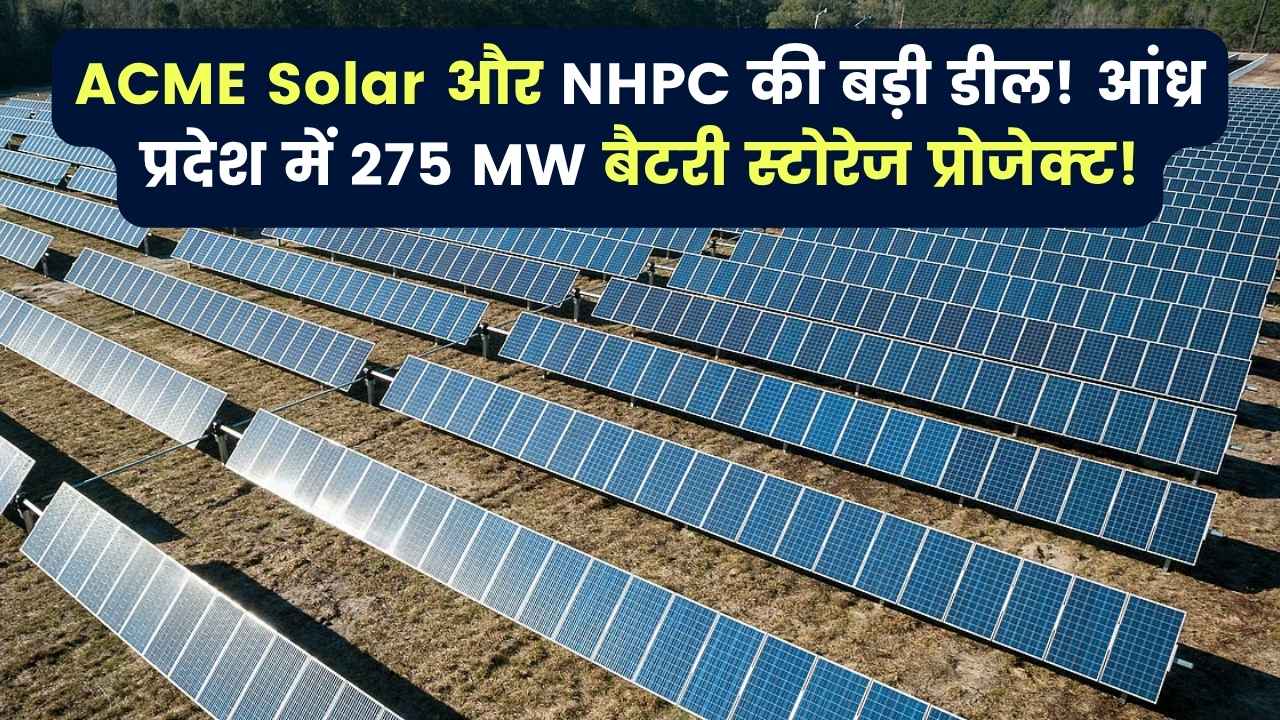
ACME Solar और NHPC के बीच बड़ा समझौता, आंध्र प्रदेश में 275 MW बैटरी स्टोरेज प्रोजेक्ट का ऐलान
If scalability and long-term performance issues are solved, perovskites could transform the landscape of renewable energy, particularly in applications where flexible, lightweight panels are required.
Related Links
Can’t Choose One Stock? Invest in Solar ETFs for Steady Returns and Lower Risk!
A Bright Future for Perovskite Solar Cells
The mystery of why perovskite solar cells can harvest energy so efficiently, despite structural defects, has been unraveled. With their defect tolerance and efficient charge transport, perovskites are poised to become a game-changer in the solar energy landscape.
However, for them to realize their full potential in the global market, addressing issues like stability, scalability, and environmental safety is critical.
As scientists continue to refine perovskite materials and manufacturing methods, the future of solar energy looks brighter than ever. With these insights, perovskites are closer than ever to becoming a key player in the renewable energy revolution.
FAQs
1. Why are perovskite solar cells so efficient?
Perovskites are efficient because they exhibit defect tolerance and high charge transport properties, allowing them to perform well even with structural imperfections. They can also absorb a wide spectrum of light and convert it into electricity efficiently.
2. What challenges do perovskite solar cells face?
The primary challenges for perovskite solar cells are stability issues under moisture and oxygen exposure, lead toxicity, and the scalability of production methods.
3. How will perovskites impact the solar energy industry?
Perovskites have the potential to lower the cost of solar panels, increase efficiency, and enable flexible, lightweight applications, making solar energy more accessible and affordable worldwide.