
As the global solar energy market continues to thrive, a new player is emerging that could disrupt the dominance of traditional silicon solar panels. Perovskite solar technology, which promises up to 50% cheaper solar power, has rapidly gained attention in the energy sector.
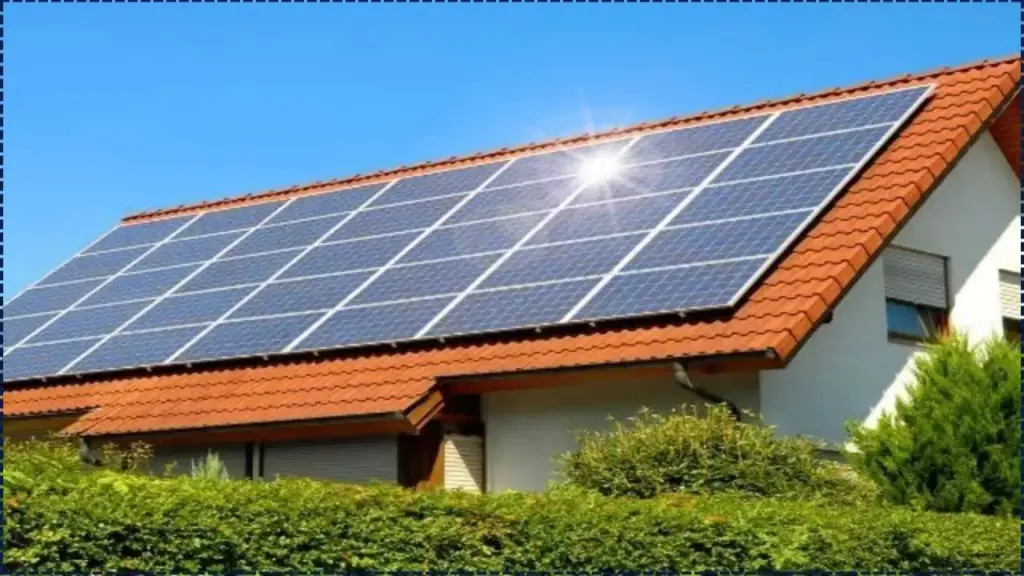
Researchers and companies are working tirelessly to solve its challenges, but if successful, perovskite could not only lower the costs of solar power but also lead to more efficient, flexible, and versatile solar solutions.
This article dives deep into perovskite solar cells, their growing potential, the hurdles they face, and how this emerging technology could reshape the solar industry.
What Is Perovskite Solar Technology?
A Revolutionary Solar Cell Material
At the heart of perovskite solar technology is the material known as perovskite, a unique crystal structure that can absorb light efficiently and convert it into electricity. Unlike traditional silicon solar panels, perovskite cells can be printed onto flexible substrates and manufactured with low-energy processes.
This flexibility opens up a world of possibilities in solar panel applications, including integration into windows, clothing, and other unconventional surfaces. Perovskites have been in the spotlight since their initial breakthrough in 2009, when researchers first demonstrated their potential for high efficiency in solar power generation.
Since then, efficiency has improved dramatically, with laboratory perovskite solar cells achieving over 27% efficiency — and research is ongoing to push that number even higher.
Why Perovskite Technology Could Be a Game-Changer for Solar Energy
Cost Reduction: 50% Cheaper Solar Power
The key advantage of perovskite solar cells lies in their cost. Compared to traditional silicon-based solar panels, perovskites can be produced using less energy, fewer raw materials, and cheaper production methods.
Currently, silicon panel manufacturing is a resource-heavy process, involving high temperatures and purity standards. In contrast, perovskites can be printed using low-temperature solution processes, which significantly reduces costs.
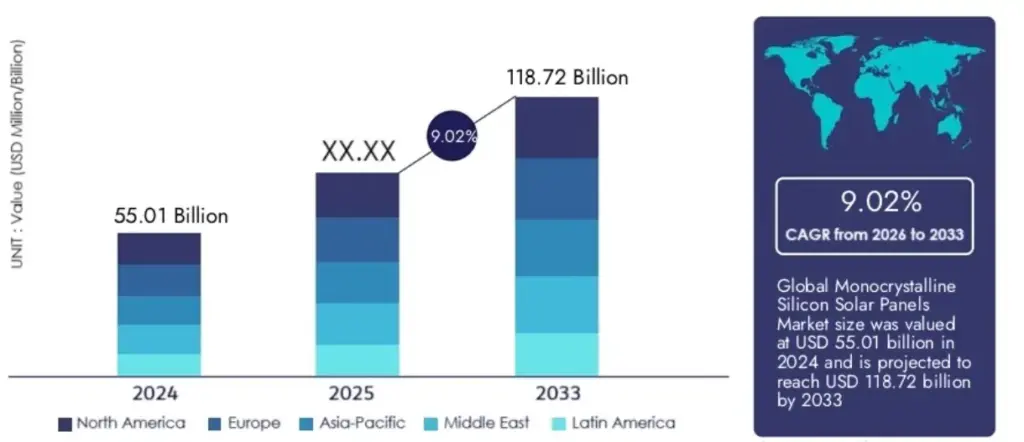
Experts predict that perovskite solar cells could reduce levelized cost of energy (LCOE) — a measure of the cost of producing electricity from a specific source — by up to 50%, making solar energy more affordable for both residential and industrial consumers.
According to a recent report by the International Renewable Energy Agency (IRENA), perovskite-based solar technology could transform the economics of solar power, opening up new opportunities in emerging markets where cost remains a significant barrier to adoption.
Efficiency Improvements: Surpassing Silicon?
Perovskite solar cells are not only cheaper but also more efficient in certain ways. Efficiency refers to the percentage of sunlight a solar cell can convert into usable electricity. Over the past decade, perovskite technology has made incredible strides, with efficiency gains surpassing 27% in single-junction configurations. By contrast, standard silicon cells reach around 20-22% efficiency.
What’s more, perovskite cells can be integrated with silicon in tandem configurations, boosting their total efficiency to over 30%. This combination makes perovskite-silicon tandem cells one of the most efficient solar technologies currently under development.
Challenges for Perovskite Solar Cells: Can They Live Up to the Hype?
1. Stability and Durability
The main concern surrounding perovskite solar cells is their stability. Silicon cells can last 25-30 years with minimal degradation, but perovskites tend to degrade more quickly, especially when exposed to moisture, heat, and UV radiation.

77% मुनाफा घटते ही धड़ाम हुआ यह सोलर स्टॉक! IPO लिस्टिंग के 6 महीने बाद भी नहीं पकड़ पाया रफ्तार
The relatively short lifespan of perovskite cells could be a barrier to their widespread adoption unless researchers can improve their long-term stability.
Researchers are exploring protective coatings and more durable composite materials to address these challenges, but perovskite cells still need to prove their ability to withstand environmental factors for commercial-scale deployments.
2. Lead Content and Environmental Concerns
Another challenge with perovskites is their use of lead in some formulations. While lead is used in high-efficiency perovskite materials, concerns about its toxicity and environmental impact have raised red flags. Lead-based perovskite solar cells require proper handling during manufacture and disposal to mitigate any environmental risks.
However, researchers are actively developing lead-free perovskites that are more environmentally friendly, though these alternatives are currently less efficient.
Finding a safe, lead-free alternative that offers both performance and durability will be a critical step in the commercialization of perovskite solar technology.
3. Scaling Production
While laboratory efficiency rates for perovskite cells have been impressive, scaling up production remains a major hurdle.
The commercial manufacturing of perovskite cells must ensure consistent quality control, yield rates, and cost-effective mass production, which remains a challenge. Overcoming these hurdles is necessary to bring perovskite technology to the market at scale.
The Solar Industry’s Outlook: Will Perovskite Replace Silicon?
Not an Immediate Replacement for Silicon
While perovskite technology is promising, it is unlikely to completely replace silicon solar panels in the immediate future. Instead, experts foresee perovskite and silicon working in tandem. Tandem cells, which combine the benefits of both materials, could become the industry standard, with perovskite layers added to silicon-based cells to increase their efficiency.
Growing Market Potential and Investment Opportunities
The perovskite solar sector is attracting significant investment from both government research programs and private industry. Companies like Oxford Photovoltaics, Saule Technologies, and Heliatek are making strides in developing perovskite solar technology, with several promising prototypes nearing mass production.
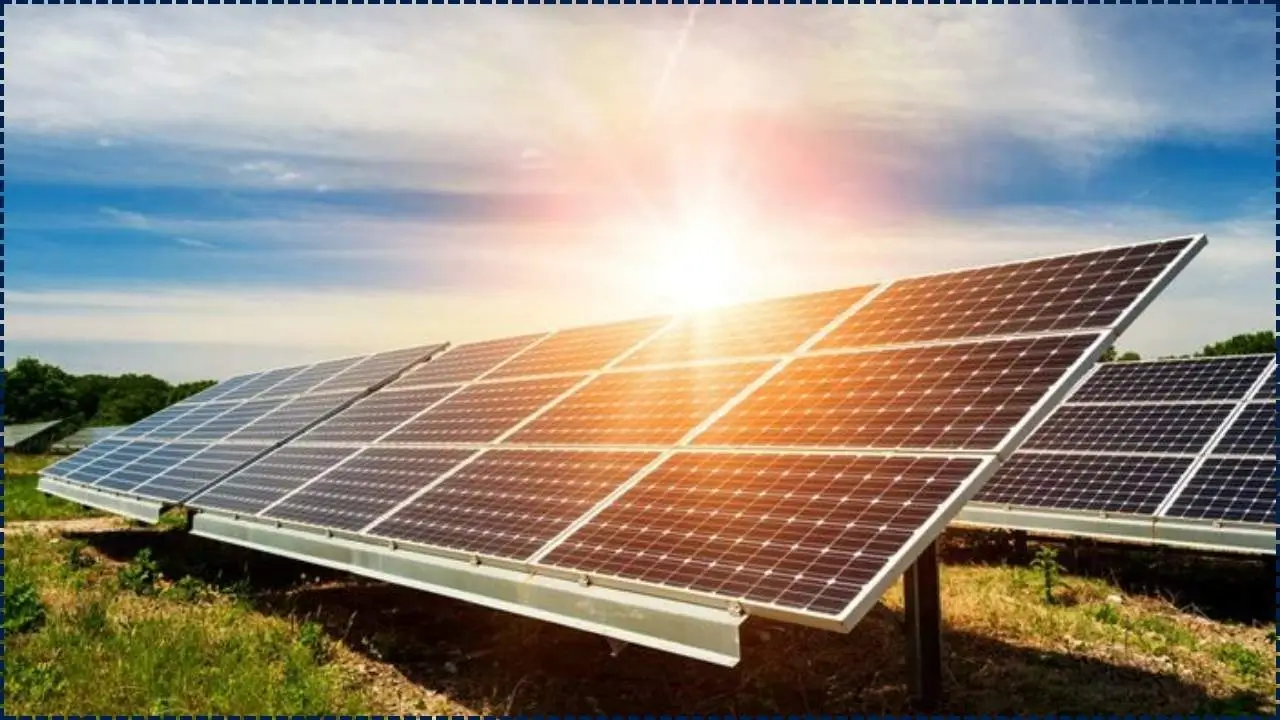
As this technology matures, investors are watching closely, as perovskite cells could offer a more affordable and efficient alternative to silicon panels, particularly in emerging markets.
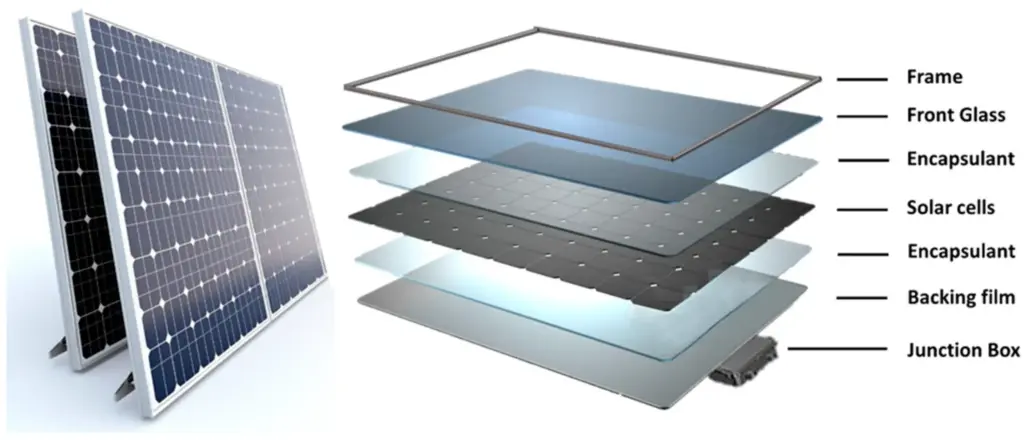
Additionally, flexible solar applications, such as solar windows and rooftop materials, could unlock entirely new markets.
Related Links
The Future of Perovskite Solar Technology
In the coming years, perovskite solar cells could significantly disrupt the solar industry. Their ability to offer lower-cost, higher-efficiency solutions makes them a strong competitor to silicon. However, issues like stability, environmental concerns, and manufacturing scalability must be addressed before they can reach mass-market deployment.
If researchers can overcome these barriers, perovskite technology could become a dominant force in the global solar energy market, transforming how we generate and consume solar power.
FAQs
Q: Are perovskite solar cells really cheaper than silicon panels?
A: Yes, perovskite solar cells can be 50% cheaper to produce compared to traditional silicon panels due to lower manufacturing costs and simpler production processes.
Q: How long will perovskite solar cells last?
A: Currently, perovskite solar cells degrade faster than silicon. However, research is underway to enhance their durability, and new protective coatings are being developed to extend their lifespan.
Q: Will perovskite replace silicon in solar panels?
A: Not entirely. Perovskite and silicon are expected to complement each other in tandem solar cells, which combine the advantages of both materials for higher efficiency.