
Across several regions of Cameroon, persistent blackouts drive Cameroon residents toward independent private solar grids, as households and businesses seek reliable electricity outside the national power network.

In cities such as Bamenda, recurring outages and limited generation capacity have prompted many residents to install rooftop solar systems and battery storage, highlighting growing reliance on decentralized renewable energy solutions.
Independent Private Solar Grids
| Key Fact | Detail |
|---|---|
| Main electricity provider | Eneo Cameroon operates generation and distribution nationwide |
| Installed generation capacity | Approximately 1,529 MW nationwide |
| Dominant power source | About 61.7% of electricity comes from hydropower |
| Solar growth | Grid-connected solar expanded from 0 MW in 2015 to about 63 MW by 2024 |
Cameroon’s Electricity System Under Pressure
Cameroon’s electricity sector has struggled to keep pace with growing demand from households, industry, and expanding urban centers.
The country’s installed electricity capacity is estimated at roughly 1,529 megawatts, with hydropower accounting for about 61.7% of generation, followed by thermal and gas-fired plants. This heavy reliance on hydropower leaves the grid vulnerable to seasonal rainfall changes, maintenance outages, and infrastructure constraints.
Energy officials have said that reduced output from major hydroelectric stations such as Songloulou, Edea, and Memve’ele, combined with shutdowns of certain thermal plants, has contributed to recurring electricity shortages.
The resulting supply gap has forced authorities to implement load-shedding measures in several regions.
Households Turn to Solar Power
In Bamenda and surrounding communities in Cameroon’s Northwest Region, the impact of electricity outages is visible across residential neighborhoods.
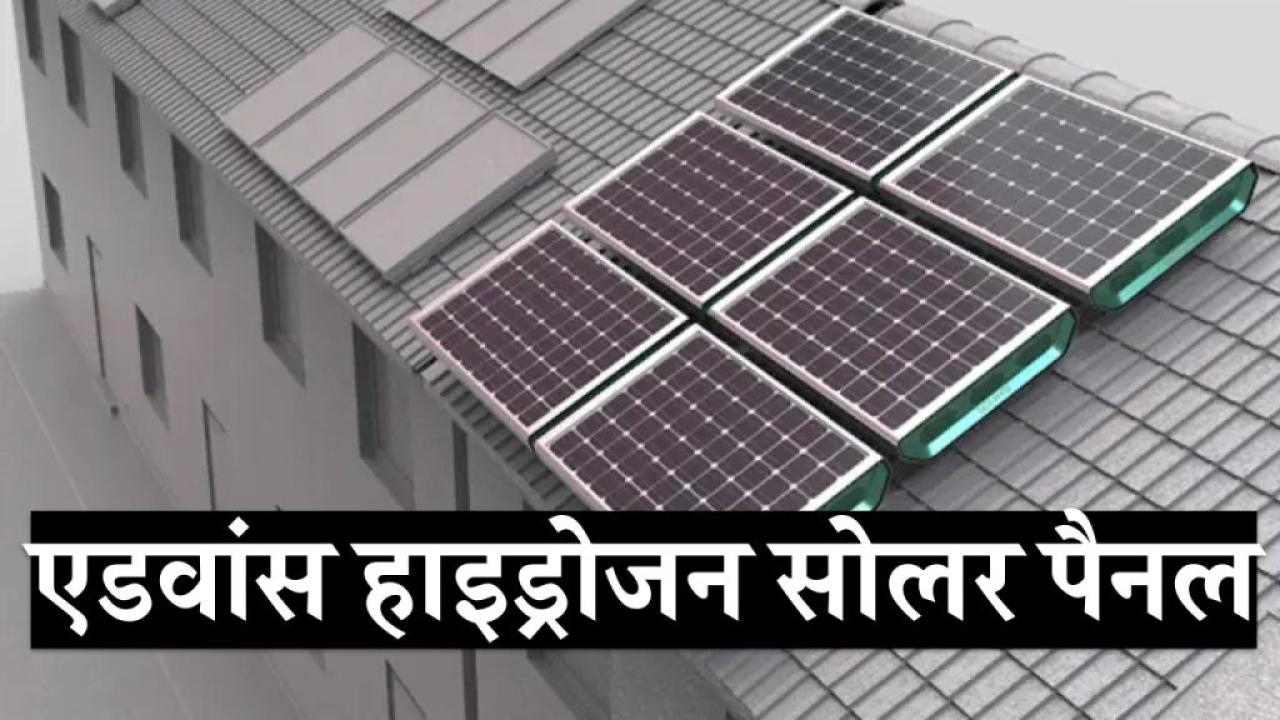
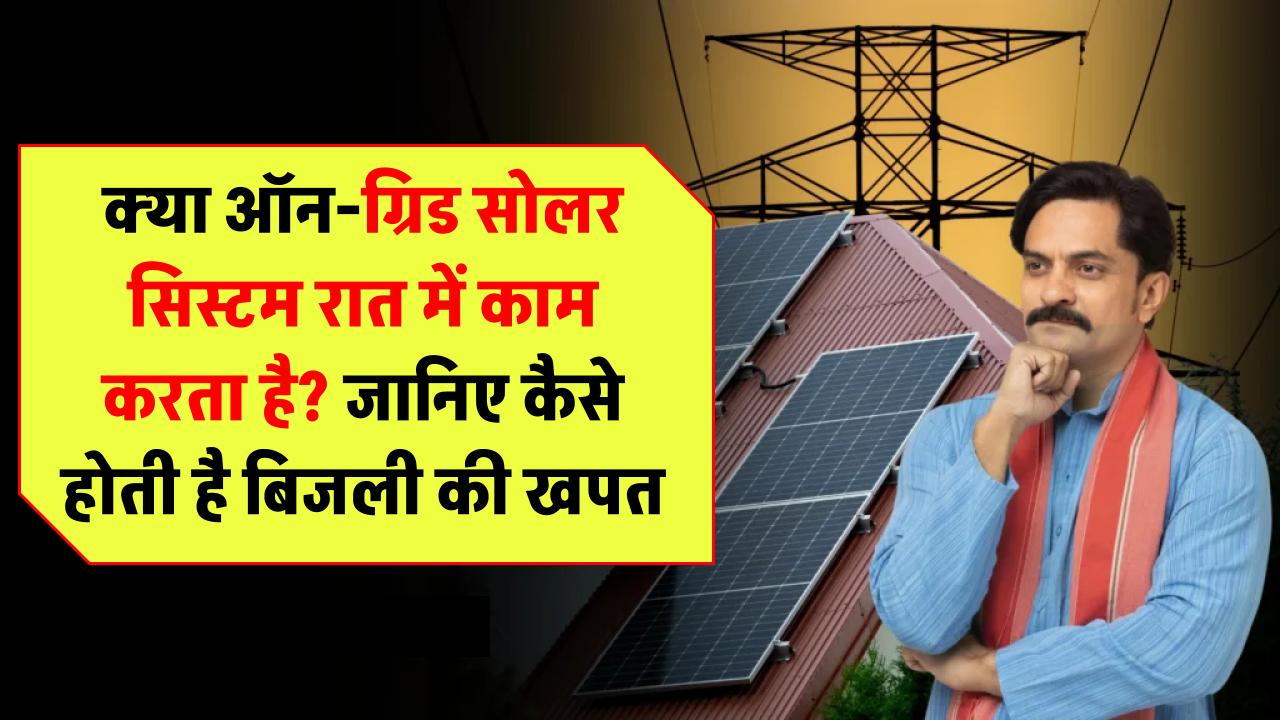
Solar panels have become a common feature on rooftops as residents seek greater energy independence. Many households install systems consisting of:
- Photovoltaic solar panels
- Battery storage units
- Inverters for converting electricity
- Basic wiring to power essential appliances
These systems typically supply lighting, phone charging, television, and small appliances during outages.
Residents say the shift toward solar energy is driven primarily by necessity. “When the electricity goes off for hours or days, you must find another solution,” said one Bamenda resident interviewed by local media. “Solar is expensive initially, but it gives you control.”
Rising Demand for Solar Equipment
The increasing demand for solar power has created new business opportunities for equipment suppliers and installers. Solar retailers report growing interest from households seeking alternatives to unreliable grid electricity.
According to local technicians, most installations are small residential systems designed to power a few essential appliances rather than entire homes.Equipment prices have also declined significantly in recent years due to increased imports and global production.
This price decline has contributed to broader adoption of solar technology across urban and semi-urban areas.
The Economics of Household Solar Systems
While solar systems provide reliability, the upfront cost remains a major consideration. A basic home installation typically includes multiple solar panels, batteries, and electrical components.
Depending on system size, installation costs can reach several thousand dollars. However, energy experts note that solar systems often become economically viable over time, especially when compared with fuel-powered generators.
Generators require ongoing purchases of diesel or gasoline, while solar systems rely primarily on sunlight once installed. This cost difference has encouraged many households to consider solar systems as a long-term investment.
Broader Growth of Solar Energy in Cameroon
Solar energy remains a relatively small share of Cameroon’s overall electricity mix, but it has expanded rapidly in recent years.
Research on the country’s renewable energy sector shows that grid-connected solar capacity increased from zero in 2015 to about 63 megawatts by 2024, representing significant growth within less than a decade.
Off-grid systems—including stand-alone solar home installations and mini-grids—have also expanded steadily during the same period.
Experts say this expansion reflects broader trends across Sub-Saharan Africa, where decentralized energy systems are helping communities gain electricity access without relying solely on national grids.
Challenges in the National Grid
Electricity supply challenges in Cameroon are not limited to generation capacity. Infrastructure constraints across transmission and distribution networks also contribute to outages.
Studies of the national grid have identified issues such as transformer failures, overloaded network segments, and maintenance delays. These vulnerabilities can lead to cascading disruptions in the interconnected power system. As demand continues to increase, maintaining grid stability has become more difficult.
Hydropower Dependence and Climate Factors
Hydropower remains the backbone of Cameroon’s electricity system. The country’s major dams are located primarily along the Sanaga River, which supplies electricity to much of the national grid.
While hydropower provides relatively low-cost energy, it also exposes the system to environmental risks. Changes in rainfall patterns, droughts, and seasonal water levels can directly affect electricity generation.
Energy analysts say climate variability may increase the importance of diversified energy sources such as solar and wind in the coming decades.
Government Plans for Energy Expansion
Cameroon’s government has outlined several initiatives aimed at improving electricity supply and expanding renewable energy capacity.
Among the projects under development is the Grand Eweng Hydroelectric Power Station, a large dam planned along the Sanaga River with an expected capacity of roughly 1,800 megawatts once completed.
If completed, the project could significantly increase national generation capacity. However, large infrastructure projects often require years of construction and substantial investment. In the meantime, decentralized solar solutions continue to fill the gap for many households.
The Role of Mini-Grids and Off-Grid Systems
In addition to individual rooftop installations, community-based solar systems are beginning to emerge. These systems, known as mini-grids, generate electricity locally and distribute it to multiple homes through a small network.
Mini-grids are particularly useful in rural areas where extending the national grid may be costly or technically difficult. Development organizations and energy researchers increasingly view such systems as essential tools for improving electricity access in Africa.
Cameroon Within the African Energy Landscape
Cameroon’s experience reflects a broader shift occurring across the African continent. More than 600 million people in Africa still lack reliable electricity access, according to international energy studies.
In response, many countries are adopting decentralized energy systems such as solar home systems, mini-grids, and hybrid renewable installations. These technologies allow communities to bypass some of the challenges associated with large centralized power plants.
For Cameroon, experts say combining national grid expansion with decentralized renewable energy may provide the most practical long-term solution.

Related Links
Hurricane Proof: The Engineering Secret Behind Solar Farms That Survived 200mph Winds
The New Battle for Energy Security: Why the World is Pivoting to Solar & Green Hydrogen
While solar systems cannot yet replace the national grid entirely, they are becoming a critical part of everyday life for many Cameroonians.
As electricity demand grows and infrastructure projects progress slowly, decentralized solar energy is likely to play an increasing role in the country’s energy landscape.
For residents facing unpredictable outages, the shift toward private solar power represents a practical response to a persistent challenge. “People simply want reliable electricity,” said one energy technician in Bamenda. “If the grid cannot provide it consistently, communities will find other ways.”
FAQs
Why does Cameroon experience frequent power outages?
Electricity shortages result from limited generation capacity, aging infrastructure, and reliance on hydropower that fluctuates with rainfall.
Why are residents installing solar panels?
Solar systems provide reliable electricity during blackouts and reduce dependence on the national grid.
Are solar systems replacing the grid?
Most households still use grid electricity when available, with solar systems serving as backup power.
Is solar energy expanding in Cameroon?
Yes. Solar capacity has grown rapidly in recent years as costs decline and demand for reliable electricity increases.