
For decades, rooftop solar panels have symbolized the clean energy transition. Yet the technology has largely benefited homeowners with suitable roofs. A new generation of plug-and-play solar solutions is beginning to change that reality.
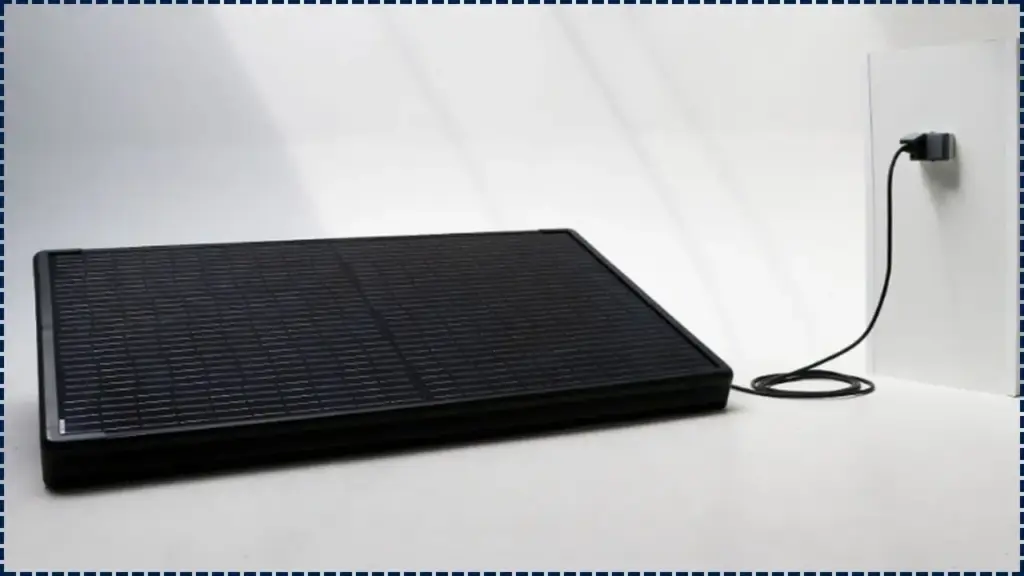
Compact solar kits designed for balconies and small outdoor spaces are allowing renters and apartment dwellers to generate electricity with minimal installation requirements.
New ‘Plug-and-Play’ Solar Solutions
| Key Fact | Detail |
|---|---|
| Balcony solar adoption rising | Hundreds of thousands of plug-in systems installed in Germany |
| Renters historically excluded | Roughly one-third of households globally rent their homes |
| Small solar kits gaining popularity | Systems can offset 5–25% of household electricity demand |
| Distributed solar expanding | Urban micro-generation becoming part of modern electricity grids |
Plug-and-Play Solar Solutions Lower Barriers to Renewable Energy
Solar energy has expanded rapidly worldwide, driven by falling technology costs and policies aimed at reducing greenhouse gas emissions. However, access to solar generation has been uneven.
Traditional photovoltaic installations require rooftop access, building ownership, and significant upfront investment. Renters—who represent a substantial share of the global urban population—have typically been excluded from installing solar systems.
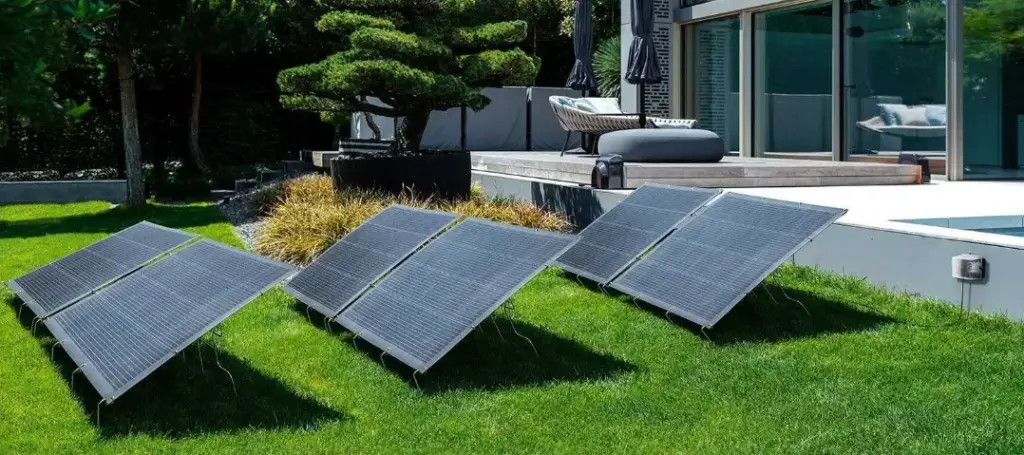
The emergence of plug-and-play solar solutions aims to close that gap. These small photovoltaic systems can be installed on balcony railings, small terraces, or exterior walls. They connect directly to household electrical outlets through micro-inverters.
Once connected, the electricity generated flows into the home’s electrical system and reduces the amount of electricity drawn from the grid.
Energy analysts say these systems represent a new form of distributed solar generation, allowing individual households to participate in renewable energy production.
How Plug-and-Play Solar Systems Work
Plug-and-play solar kits typically include four core components. Solar panels convert sunlight into direct current electricity. Micro-inverters transform that electricity into alternating current compatible with household appliances.
Mounting systems attach panels securely to balcony railings or walls. Power cables connect the inverter directly to a standard electrical outlet. Electricity generated by the panels is used immediately by household appliances. Any additional electricity is automatically supplied by the grid.
Some advanced plug-and-play systems now include small battery units, enabling households to store solar electricity for use later in the day.
Europe Leads the Balcony Solar Movement
Europe has emerged as the global leader in balcony solar adoption. Germany has played a particularly prominent role. The country has simplified regulations governing small solar installations, allowing renters and condominium owners to install balcony solar panels with fewer administrative barriers.
According to industry groups cited in Reuters, hundreds of thousands of plug-in solar devices have been installed across Germany in recent years.
Rising electricity prices and strong public support for renewable energy have accelerated adoption. Other European countries, including Austria, the Netherlands, and France, are introducing similar policies.
These reforms aim to expand renewable energy participation among urban households that lack access to rooftop installations.
Housing Equity and Energy Access
The spread of plug-and-play solar technology is also raising broader questions about energy equity. Historically, renewable energy incentives have disproportionately benefited homeowners with the financial resources to install rooftop systems.
Renters—particularly those living in dense urban housing—often lacked opportunities to generate renewable electricity. Energy policy researchers say balcony solar systems could help democratize access to clean energy.
“Distributed solar technologies can broaden participation in the energy transition,” said Dr. Sarah Mills, a researcher at the University of Michigan’s Center for Local, State, and Urban Policy, in studies examining solar adoption patterns.
By lowering both financial and regulatory barriers, plug-and-play solar systems may allow more households to reduce electricity costs and participate in climate mitigation efforts.
Economic Benefits for Renters
Affordability remains a major factor driving interest in plug-and-play solar. Traditional rooftop solar installations can cost several thousand dollars and typically require professional installation.
ISA Report: Global Solar Capacity Surges 33% in 2024, But Africa and LDCs Face Huge Funding Gap
By contrast, many plug-and-play solar kits cost only a few hundred dollars. Even modest solar systems can generate hundreds of kilowatt-hours of electricity annually. In regions with high electricity prices, this generation can provide noticeable savings over time.
The portability of these systems also appeals to renters. Unlike rooftop systems, plug-and-play solar panels can often be removed and reinstalled at a new residence when tenants move.
Regulatory Barriers and Safety Considerations
Despite growing adoption, plug-and-play solar systems remain subject to regulatory scrutiny in many countries. Electric grids were originally designed for centralized power plants rather than millions of small electricity generators connected at the household level.
Regulators must therefore ensure that plug-in solar systems operate safely. Potential concerns include electrical overloads, improper installations, and voltage fluctuations in local power networks.
Industry groups are working with regulators to develop technical standards governing plug-and-play solar equipment. These standards often require certified micro-inverters, grounding systems, and compliance with national electrical codes.
Utilities also emphasize the importance of registering solar systems so grid operators can monitor distributed electricity generation.
Utilities and Grid Operators Respond
Electric utilities have taken varied positions on the growth of balcony solar technology. Some utilities view distributed solar generation as a positive development that can reduce strain on centralized power plants.
Others warn that large numbers of unregistered plug-in solar systems could complicate grid management. Grid operators must balance supply and demand across electricity networks at all times.
Large increases in distributed generation could affect voltage levels or power flows within local distribution networks. Energy regulators are therefore working with utilities and technology manufacturers to ensure safe integration of plug-and-play systems.
Technology Innovation and Product Development
Manufacturers are rapidly improving plug-and-play solar technologies. New panel designs are lighter, thinner, and easier to mount on balcony railings. Integrated micro-inverters have also become more efficient and compact.
Some manufacturers are developing all-in-one solar stations that include panels, batteries, and smart energy monitoring systems. Smartphone applications allow users to track electricity production in real time.
Industry analysts expect continued innovation as demand grows. Large solar equipment manufacturers and emerging startups alike are entering the balcony solar market.
Environmental Impact of Small-Scale Solar
Individually, balcony solar installations generate relatively modest amounts of electricity. However, widespread adoption across apartment buildings could produce meaningful environmental benefits.
Urban areas contain millions of balconies and small outdoor spaces that receive direct sunlight. If equipped with solar panels, these spaces could collectively generate significant renewable electricity.
Researchers studying distributed energy systems note that small installations can complement large renewable energy projects by expanding solar capacity in cities. In addition, household participation in solar generation may increase awareness of energy consumption and sustainability practices.
Case Studies: Balcony Solar in Practice
Several cities have already begun integrating balcony solar systems into urban energy strategies. In Berlin, apartment residents have installed thousands of plug-in solar systems on balconies and terraces.
These systems allow tenants to reduce electricity bills while contributing to Germany’s renewable energy goals. In Vienna and Amsterdam, similar systems are appearing on residential buildings as local governments encourage small-scale renewable energy generation.
These case studies illustrate how distributed solar technologies can complement large renewable energy projects.
Related Links
Mining the Roof: How a New Start-up is Recovering 99% of Silver from 20-Year-Old Dead Panels
Market Volatility: Why Analysts Recommend ‘Stock-Specific’ Bets in Solar
The Future of Plug-and-Play Solar Solutions
Energy experts say plug-and-play solar systems represent an important step toward more inclusive renewable energy systems. As solar technology costs continue to decline and regulations evolve, balcony solar installations could become common features of urban housing.
Distributed energy technologies—including rooftop solar, home batteries, and electric vehicles—are already transforming electricity systems. Plug-and-play solar systems add another layer to this decentralized energy landscape.
For millions of renters worldwide, the ability to generate electricity from a balcony or small outdoor space could make renewable energy more accessible than ever before.
FAQs
What are plug-and-play solar solutions?
Plug-and-play solar systems are compact photovoltaic kits that connect directly to household outlets, allowing users to generate electricity without complex installations.
Can renters legally install balcony solar panels?
In some countries, including Germany and Austria, renters are allowed to install small balcony solar systems under certain regulations.
How much electricity can balcony solar panels generate?
Depending on sunlight exposure and panel size, balcony solar systems may provide between 5% and 25% of a household’s electricity needs.
Are plug-in solar systems safe?
Certified systems must comply with electrical standards and include safety components such as micro-inverters and grounding protection.