India’s PM Surya Ghar Scheme, which has become a pioneering initiative for rooftop solar adoption, is offering a ₹78,000 subsidy to eligible Indian homeowners in 2026.
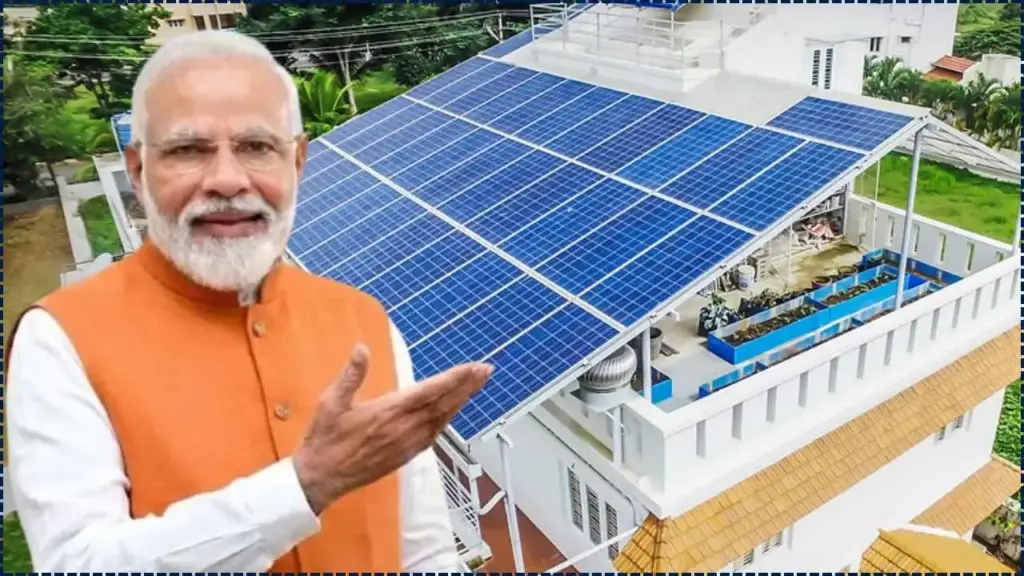
The initiative is transforming the energy landscape by enabling zero electricity bills for households that install solar photovoltaic (PV) systems, while also empowering families to significantly reduce their carbon footprint.
The scheme aligns with India’s push toward a clean energy transition, offering a much-needed financial incentive to move away from fossil fuel-based power generation.
What Is the PM Surya Ghar Scheme?
Launched by the Government of India in 2024, the PM Surya Ghar Yojana is a landmark program designed to encourage decentralized solar power generation. The scheme primarily targets residential users and aims to expand India’s solar capacity by subsidizing rooftop solar system installations.
It is part of India’s overarching strategy to reduce dependency on fossil fuels, mitigate climate change, and empower households with clean energy solutions. With this scheme, Indian homeowners can generate their own electricity while contributing to national renewable energy goals.
The government has set a target to install 50 GW of rooftop solar capacity by 2030, with the PM Surya Ghar Scheme expected to play a key role in achieving this ambitious target.
How the ₹78,000 Subsidy Works
Under the PM Surya Ghar scheme, eligible homeowners can receive direct financial support to install rooftop solar systems, with up to ₹78,000 in subsidy depending on system capacity. Here’s a breakdown of how the subsidy works:
- 1 kW system: ₹30,000 subsidy
- 2 kW system: ₹50,000 subsidy
- 3 kW system or larger: ₹78,000 subsidy
The subsidy amounts to 40-60% of the total installation cost, making solar installations more affordable for a wide range of households. The size of the system depends on the power consumption needs of the household.
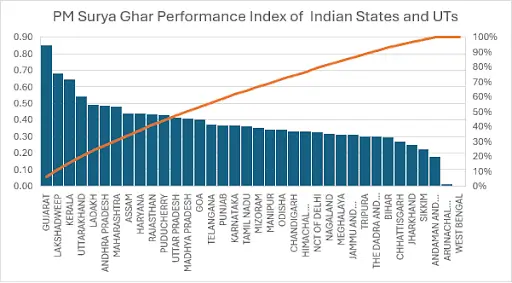
Once the solar panels are installed and connected to the grid, homeowners can benefit from net metering, where surplus energy generated is fed back into the grid, earning credits for future use.
These savings and credits, combined with the subsidy, make solar power a financially viable option for many Indian families.
The Promise of Zero Electricity Bills
A standout feature of the PM Surya Ghar Scheme is the potential for homeowners to eliminate electricity bills altogether. Here’s how:
- Solar Power Generation: Solar panels generate electricity during the day, reducing the need to purchase power from the grid.
- Net Metering: Excess electricity generated during peak sunlight hours is sent back to the grid and credited to the homeowner’s account.
- 300 Free Units: Under the scheme, participating homes are eligible for up to 300 free units of solar electricity per month, depending on system capacity.
In practical terms, this means many homeowners can completely offset their monthly electricity bills. In fact, several beneficiaries in states like Rajasthan, Gujarat, and Uttar Pradesh have reported zero electricity bills, even during peak usage months.
This is especially beneficial for middle-class families looking to reduce household expenses.
Eligibility and Application Process
The PM Surya Ghar Scheme is open to residential homeowners across India with the following eligibility criteria:
- Ownership of property (applies to urban and rural areas)
- Roof space: Sufficient space for installing solar panels (typically 1-3 kW)
- Electricity connection: Valid grid connection and access to net metering
The application process is simple and fully online:
- Register online via the official PM Surya Ghar website or through authorized solar vendors.
- Submit required documents: Proof of identity, address, and electricity bill.
- Select solar system capacity: Based on household needs and available roof space.
- Choose an empanelled solar vendor to install the system.
- Installation and grid connection: After installation, the system is connected to the grid for net-metering approval.
- Receive subsidy: After successful installation and inspection, the subsidy is credited to the homeowner’s bank account.
The process ensures transparency and accessibility for families across the country.
Transforming Household Economies
The PM Surya Ghar Scheme has already shown significant impact in improving the economic resilience of Indian households. With electricity bills often accounting for a large portion of monthly household expenses, the shift to solar energy through subsidized installations is providing financial relief.
In cities such as Bangalore and Hyderabad, where electricity rates have historically been high, the surplus energy generated has enabled families to use excess credits for additional home appliances or offset power bills.
Moreover, the long-term financial security provided by self-sufficiency in energy cannot be understated. As energy costs continue to rise, solar provides a predictable and steady solution for reducing electricity expenses.
PM Surya Ghar Scheme and India’s Clean Energy Future
The PM Surya Ghar Scheme plays a crucial role in helping India meet its climate commitments. As part of India’s efforts to achieve net-zero emissions by 2070, the scheme supports the government’s broader goals of renewable energy adoption and emissions reductions.
By decentralizing solar energy production, the scheme mitigates grid dependency and promotes energy independence. As per the government’s targets, India aims to deploy 500 GW of renewable energy capacity by 2030, with solar being the largest contributor.
This program alone is expected to account for a significant share of the government’s ambitious goals.
Impact on Rural India
While urban areas are witnessing rapid adoption of rooftop solar systems, the PM Surya Ghar Scheme is also having a major impact on rural electrification. Many rural regions, which have long struggled with power cuts and high electricity costs, are now seeing a shift toward solar-powered homes.
In Madhya Pradesh and Uttar Pradesh, rural homes have started benefitting from the scheme, reducing reliance on expensive diesel generators and unreliable grid systems.
The subsidy for rural households has made solar power more affordable, and communities are now increasingly able to access clean energy. This transition is also helping farmers with solar-powered irrigation pumps, improving agricultural productivity.
Challenges and Way Forward
Despite the rapid growth of the PM Surya Ghar Scheme, there are a few challenges to overcome:
- Grid Integration: While net metering is available in most regions, some states have faced challenges in integrating the excess power into the grid.
- Vendor and Installation Issues: The quality of installation varies across regions, with some homeowners reporting issues related to installation delays or system inefficiency.
- Financing Options: While the subsidy is substantial, low‑interest loan access remains crucial for households in lower-income brackets, and more flexibility is needed in financing schemes.
To address these, the government is working closely with state electricity distribution companies (DISCOMs) to improve infrastructure, streamline approvals, and ensure consistency in solar panel quality and installation standards.
Looking to the Future
The future of the PM Surya Ghar Scheme looks promising. With solar technology costs declining and the government planning to extend subsidies to more segments of the population, the adoption of solar power is expected to increase rapidly.
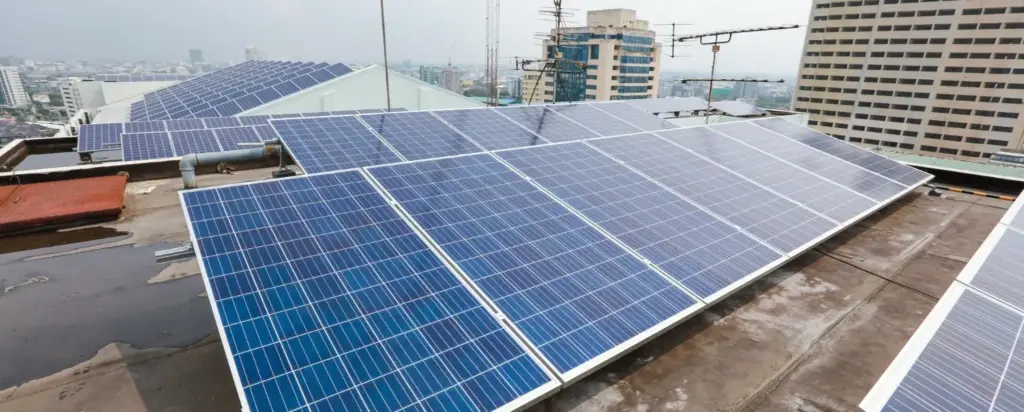
The scheme’s expansion could potentially incorporate solar energy storage solutions and smart grids to further optimize energy generation and consumption. By integrating battery storage systems, homeowners could store energy during the day for use at night, improving self-sufficiency.
With further policy support, the initiative could be expanded to include businesses and small industries, helping India transition to a fully decentralized energy model.
Related Links
The PM Surya Ghar Scheme is helping millions of Indian families transition to clean, renewable energy, dramatically reducing their electricity costs while supporting national climate and energy goals.
With ₹78,000 subsidies and the promise of zero electricity bills, the scheme is a game-changer for India’s energy future, benefiting both households and the environment.
As India moves toward its renewable energy targets, programs like PM Surya Ghar are central to creating a sustainable, self‑reliant energy system, benefiting homeowners while contributing to global climate mitigation efforts.