
Australia’s energy market is evolving, with new smart feed-in tariffs (FiTs) offering homeowners the chance to sell solar battery power back to the grid at higher rates. These dynamic tariffs are designed to reward households for supplying energy during peak demand, creating new opportunities to profit from solar energy.
As the transition to renewable energy accelerates, Australians can now leverage these tariffs to make money from their home solar systems.
What Are Smart Feed-in Tariffs?
Smart feed-in tariffs (FiTs) are an evolved version of the traditional feed-in tariff systems that allow solar power owners to sell excess energy generated by their solar panels or battery systems back to the national grid.
In Australia, these tariffs were originally implemented to encourage residential solar adoption by offering fixed, guaranteed payments for exported solar power. However, these fixed rates often failed to reflect the real-time demand and supply of electricity, leading to inefficiencies in grid management.
Smart FiTs address these issues by introducing dynamic pricing, meaning the rate at which power is purchased from solar owners depends on the time of day and grid demand. When the grid requires more power—typically in the late afternoon or evening—exported solar power may fetch a premium price.
Conversely, during times of excess solar generation (such as midday), the price paid for exported power may be lower, or even zero.
This system benefits both consumers and the national grid, incentivizing households to export power during times when the grid most needs it and reducing strain during off-peak hours. As Australia moves toward a more flexible and sustainable energy grid, smart feed-in tariffs are set to play a pivotal role.
The Benefits of Smart Feed-in Tariffs for Australian Homeowners
How Do Smart Feed-in Tariffs Work?
Smart feed-in tariffs differ from the traditional static FiTs in that they fluctuate based on grid demand. These tariffs are often linked to the wholesale electricity market, where the price of energy varies in real-time based on supply and demand. As a result:
- Peak export times: When the grid experiences higher demand, typically in the evening as people return home from work and begin using more electricity, smart FiTs pay solar owners more for their excess energy.
- Off-peak export times: Conversely, midday, when there is often excess solar generation and lower demand, may see lower rates or no payment at all.
By rewarding exports during peak demand, smart FiTs provide a powerful financial incentive for homeowners to adjust their energy habits and become active participants in grid management.
Households with solar systems and batteries are in a particularly advantageous position, as they can store energy during the day and export it when demand peaks, significantly boosting their earnings.
The Role of Batteries in Maximising Earnings
While solar panels alone can benefit from smart feed-in tariffs, solar batteries make the most of this new tariff structure.
By storing excess energy during the day, households can ensure they have power available to export during the evening, when FiTs are at their peak. This is an ideal scenario for those looking to maximize their returns from the grid.
How Batteries Enhance Solar Power Exports
Solar batteries are becoming more affordable and efficient, and as battery technology improves, it’s easier than ever for households to store their solar energy.
In particular, smart tariff structures provide an additional incentive for battery use by rewarding solar owners for using stored energy at peak demand times. Here’s how it works:
- Capture energy during the day: Excess solar energy that would otherwise be sent back to the grid can now be stored in a battery.
- Discharge energy in the evening: Homeowners can release the stored energy when grid demand is highest, often when electricity prices are the highest.
- Sell the energy back to the grid: During these peak periods, homeowners can sell the stored energy at higher rates, reaping the benefits of both solar generation and battery storage.
By strategically storing and releasing power, solar owners can earn significantly more than if they were simply exporting their surplus solar directly to the grid during off-peak hours.
How Much Can You Earn From Selling Solar Power Back to the Grid?
Earnings from smart feed-in tariffs depend on several factors, including the size of your solar system, the capacity of your battery, the timing of energy exports, and the rates offered by your electricity retailer.
For instance, typical feed-in tariffs in Australia can range from 4 to 15 cents per kWh during off-peak hours and can increase to as much as 30 to 40 cents per kWh during peak hours, particularly in areas like New South Wales and Queensland where demand is high in the evening. Some retailers also offer premium rates during periods of very high demand.
Potential Earnings
- Daytime (off-peak): For example, if you export 10 kWh during the day at 5 cents per kWh, you would earn just 50 cents.
- Evening (peak): If you export that same 10 kWh at 30 cents per kWh in the evening, you would earn $3.
The key to maximizing earnings is to export energy during the evening or other peak times when prices are highest. For households with solar battery systems, this process can be more effectively managed, allowing homeowners to store energy during the day and release it when the price per unit is higher.
Virtual Power Plants (VPP) and New Revenue Opportunities
In addition to smart feed-in tariffs, some energy providers and network operators are working on Virtual Power Plants (VPPs), which aggregate the energy stored in residential batteries to provide grid services.
These services allow homeowners to earn even more money by allowing their batteries to contribute energy to the grid when it is needed most.
VPP programs pay participants for providing grid stability and balancing supply and demand. By linking thousands of household batteries together, these platforms create a decentralized but highly effective way of generating power for the grid during periods of high demand.
For example, AGL Energy and Origin Energy have VPP programs in which homeowners can enroll their battery systems, receiving payments when their battery discharges to the grid during peak demand. This offers another revenue stream in addition to earnings from feed-in tariffs.
The Future of Smart Feed-in Tariffs in Australia
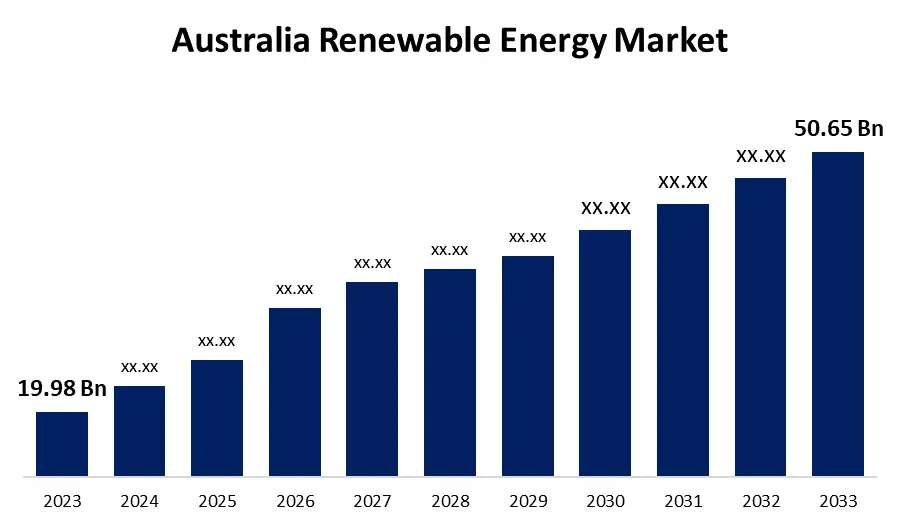
As Australia continues to increase its reliance on renewable energy, the role of smart feed-in tariffs is likely to expand. The government and energy networks are increasingly aware that distributed energy resources, like solar panels and home batteries, can provide valuable services to the grid.
The introduction of time-of-use tariffs and smart meters is likely to become more widespread, offering homeowners better control over when and how they export energy.
This development will allow Australian households to be more active participants in the national energy market, while also benefiting financially.
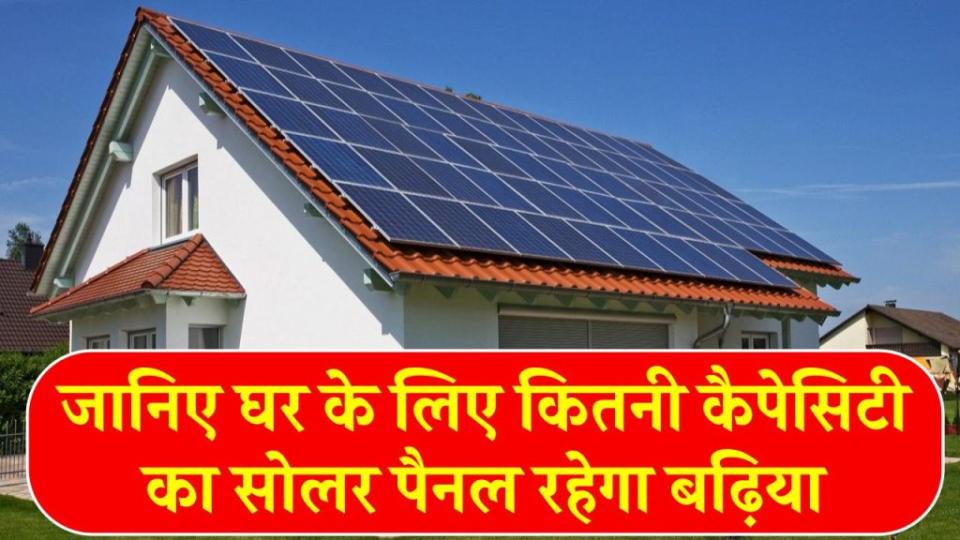
जानिए कितनी कैपेसिटी का सोलर पैनल रहेगा आपके घर के लिए बढ़िया, क्या इसपर मिलेगी आपको सब्सिडी?
In the coming years, we can expect to see greater integration of these technologies, with the potential for smarter, more efficient energy systems that benefit both consumers and the broader grid.
Related Links
2026 Portfolio Picks: Top 5 solar stocks that every clean energy investor should watch right now
Electricity from Space? How Space-Based Solar Power tech is moving from sci-fi to reality in 2026.
How Government Policies Are Supporting Smart Feed-in Tariffs
Australian government incentives and policies play a key role in supporting the expansion of smart feed-in tariffs. State governments have introduced various rebate schemes and financial incentives to encourage solar and battery storage adoption.
The federal government has committed to a renewable energy future through initiatives such as the Renewable Energy Target (RET), which drives further demand for rooftop solar. As grid demand continues to fluctuate with renewable generation, regulators and policymakers are taking steps to refine how energy pricing and export schemes operate.
This includes further development of grid modernization projects and increased investment in smart grid technologies to ensure the infrastructure can handle decentralized energy sources.
FAQs
What is the difference between traditional feed-in tariffs and smart feed-in tariffs?
Traditional feed-in tariffs pay a fixed rate for exported solar energy, while smart feed-in tariffs vary depending on grid demand and time of day. Smart tariffs incentivize solar owners to export power during peak demand, when the grid needs it most.
Can I sell solar power back to the grid if I have a battery?
Yes, if you have a solar battery, you can store excess solar energy during the day and sell it back to the grid during peak demand, when the smart feed-in tariff offers higher payments.
How do Virtual Power Plants (VPPs) work?
VPPs aggregate the energy stored in home batteries and sell it to the grid during times of high demand. Homeowners are paid for their participation in these programs, providing an additional revenue stream.
How much can I earn from selling solar power?
Earnings depend on factors such as the size of your solar system, battery capacity, and the tariff rates of your electricity retailer. During peak times, you could earn up to 30–40 cents per kWh exported.