Queensland landlords can now claim up to $3,500 under the “Supercharged Solar for Renters” program, a government-backed initiative aimed at expanding solar access in rental housing.
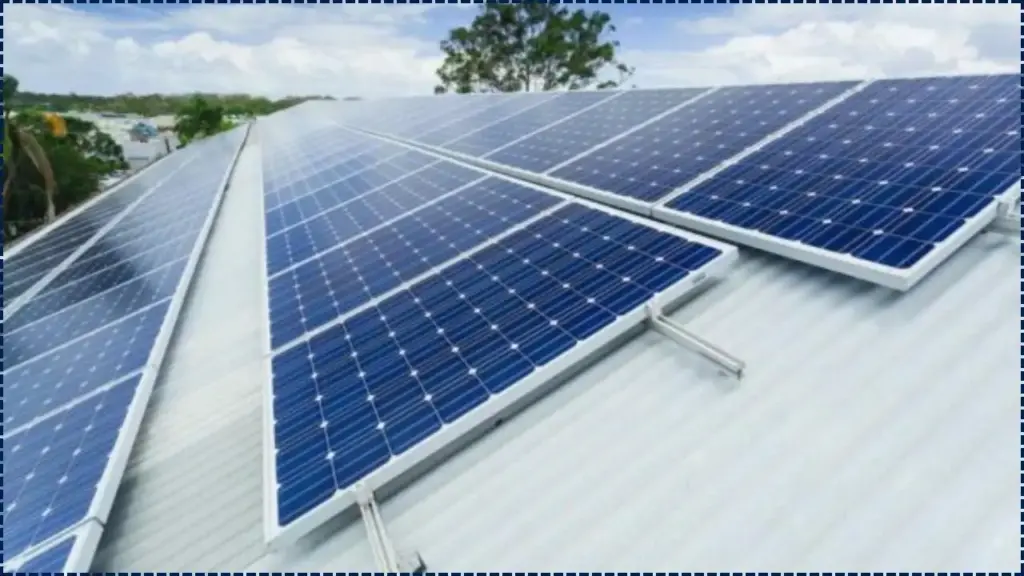
By reducing upfront installation costs, the scheme seeks to lower electricity bills for tenants while addressing structural barriers that have historically limited solar adoption in rental properties.
$3,500 ‘Supercharged’ Solar Rebate
| Key Fact | Detail |
|---|---|
| Maximum Rebate | Up to $3,500 per property |
| Target Issue | Split incentive in rental housing |
| Estimated Tenant Savings | ~$700 annually |
| Program Type | Direct rebate (not loan) |
Queensland’s $3,500 solar rebate for renters reflects a targeted effort to bring renewable energy to a historically underserved segment of the housing market. Its long-term success will depend on uptake, funding continuity, and broader policy alignment across Australia.
Understanding the $3,500 ‘Supercharged’ Solar Rebate: QLD’s $3,500 Solar Rebate for Renters
The $3,500 ‘Supercharged’ Solar Rebate, Queensland’s “Supercharged Solar for Renters” rebate, reflects a targeted policy intervention designed to bring renewable energy access to rental housing.
Australia leads the world in rooftop solar adoption, yet renters have largely been excluded. The program addresses this imbalance by incentivizing landlords—rather than tenants—to invest in solar infrastructure.
Energy economists say the policy tackles a structural inefficiency in housing markets. “Rental properties face unique barriers to energy upgrades,” said a senior researcher in energy policy. “This program directly targets those constraints.”
How the $3,500 Solar Rebate Works
Direct Financial Incentive
The rebate provides up to $3,500 toward the cost of installing rooftop solar systems on eligible rental properties. Unlike financing schemes, this is a post-installation reimbursement, reducing the net capital cost.
Landlords must initially fund the installation and then claim the rebate after meeting program requirements.
Eligibility and Compliance Requirements
Landlord Criteria
- Must own the property
- Must not reside in the property
- Must obtain tenant consent
Property Criteria
- Located in Queensland
- Currently leased to tenants
- Rent typically within affordability thresholds
- No existing solar installation
Technical Requirements
- Minimum system capacity (around 3 kW)
- Installation by accredited professionals
- Compliance with Australian electrical standards
$3,500 ‘Supercharged’ Solar Rebate Claim Process
- Apply for Conditional Approval: Submit application with system quote before installation.
- Install Solar System: Use approved installers after receiving conditional approval.
- Submit Final Claim: Provide documentation and receive rebate payment.
Failure to follow this sequence can result in disqualification.
Legal and Regulatory Considerations
Tenant Consent and Lease Agreements
Tenant consent is mandatory, but legal experts note that lease agreements may require updates to reflect solar installation terms. Key considerations include:
- Access rights for installation and maintenance
- Clarification on electricity usage benefits
- Disclosure of system ownership
Some property law specialists recommend documenting agreements to avoid disputes.
Rental Pricing and Compliance Rules
While landlords may benefit indirectly, the program is designed to ensure tenants receive tangible financial gains. Authorities discourage immediate rent increases tied solely to solar installation. This aligns with broader housing affordability policies in Queensland.
Tax Implications for Landlords
Financial advisers highlight that solar installations may have tax consequences.
Potential considerations include:
- Depreciation of solar assets
- Capital improvement classification
- Possible deductions related to installation
Tax treatment depends on individual circumstances, and landlords are advised to consult licensed tax professionals.
Grid Integration and Export Rules
Solar systems installed under the program are connected to the electricity grid, allowing excess energy to be exported. However:
- Feed-in tariffs vary by energy provider
- Export limits may apply depending on grid capacity
- Benefits primarily accrue to tenants using daytime electricity
Energy regulators emphasize the importance of system sizing to match household consumption patterns.
Financial Breakdown: Costs vs Benefits
Installation Economics
- Typical system cost: $6,000–$8,000
- Rebate: up to $3,500
- Net cost: ~$2,500–$4,500
Tenant Savings
Tenants may save up to $700 annually, depending on:
- Electricity usage
- System size
- Local solar conditions
Landlord Returns
While direct financial returns are limited, landlords may gain:
- Increased rental demand
- Reduced vacancy risk
- Enhanced property value
Real estate analysts note that energy-efficient homes are becoming a differentiating factor in competitive markets.
Addressing the Split Incentive Problem
The program directly targets the “split incentive” issue, where landlords pay for upgrades while tenants benefit.
By lowering upfront costs, the rebate reduces this imbalance and encourages investment in energy-efficient housing. Policy experts say solving this issue is essential for scaling renewable energy in urban housing markets.
Program Limits and Funding Constraints
The program is capped, with funding allocated to a limited number of households. Government projections indicate:
- Approximately 6,000–7,000 properties may benefit initially
Once funding is exhausted, new applications may be paused or delayed. This introduces urgency for landlords considering participation.
International Comparison
Similar initiatives are emerging globally:
- United States: PACE programs link solar financing to property taxes
- United Kingdom: Pilot schemes target social housing solar adoption
- Canada: Municipal financing models support energy retrofits
Queensland’s approach is notable for focusing specifically on rental housing rather than owner-occupied homes.
Industry and Market Impact
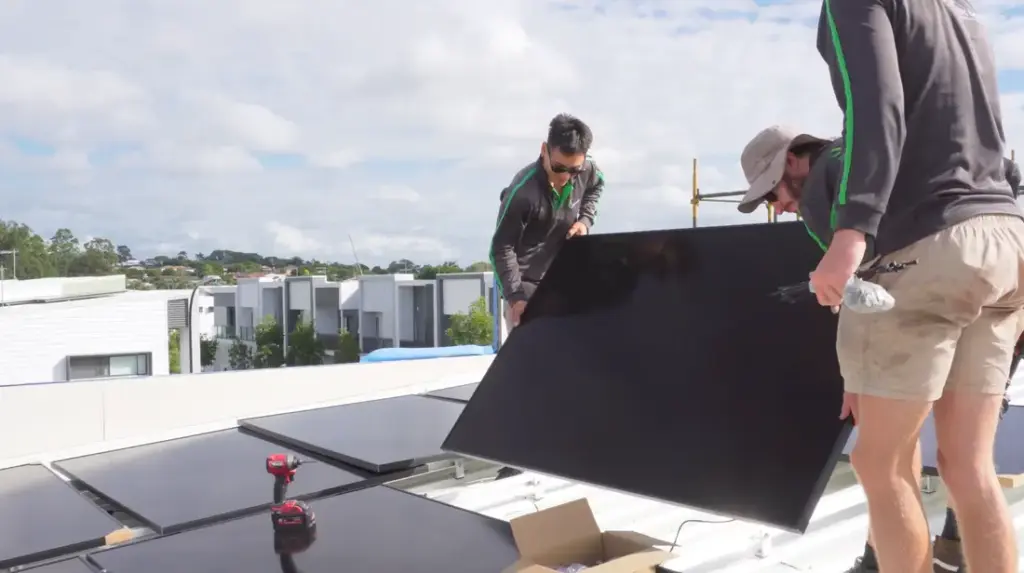
Solar industry stakeholders view the program as a catalyst for growth in the residential sector. Rental housing represents a large untapped market, and policy support could significantly expand installation volumes.
Contractors also benefit from more predictable demand, supporting workforce expansion and supply chain stability.
Related Links
How Solar-Powered Microgrids Are Transforming Rural Africa
Green Hydrogen vs Solar: Competitors or the Future’s Perfect Pair?
Environmental and Social Impact
The program contributes to broader climate goals by:
- Reducing residential carbon emissions
- Expanding renewable energy adoption
- Improving energy affordability for renters
Experts say such targeted policies are critical to ensuring equitable access to clean energy technologies.
FAQs
Who gets the rebate?
The landlord receives the rebate after installation and approval.
Is tenant consent required?
Yes, tenant approval is mandatory.
Can landlords benefit financially?
Indirectly, through property value and demand, rather than direct energy savings.
What happens if funding runs out?
Applications may close once program capacity is reached.