
Québec’s LogisVert update: new 2026 cash incentives for solar-ready homes introduces direct subsidies for residential solar systems while strengthening energy efficiency standards.
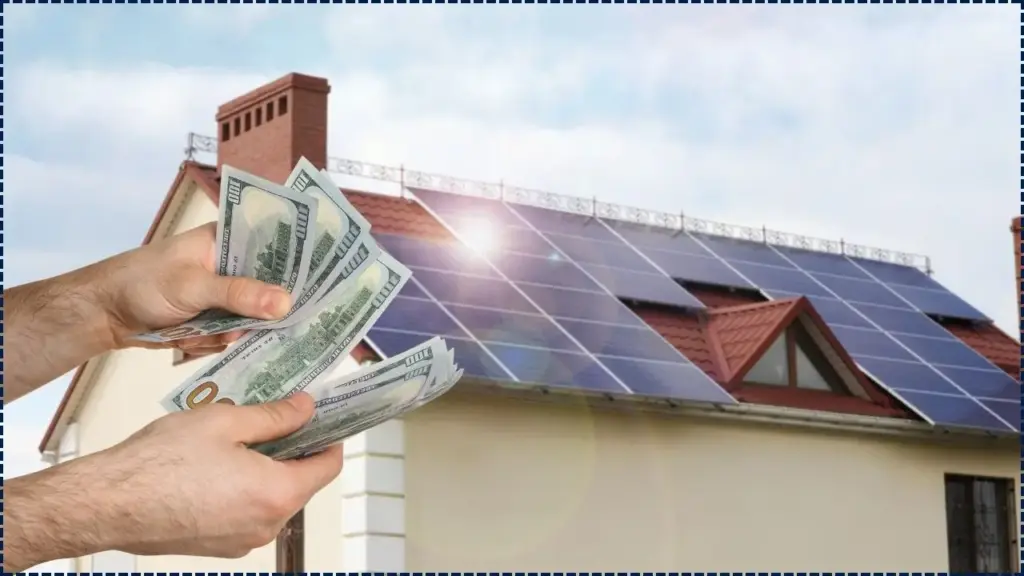
The policy, led by Hydro-Québec, reflects a strategic shift to meet rising electricity demand and accelerate the province’s transition toward diversified renewable energy sources.
Quebec’s LogisVert Update
| Key Fact | Detail |
|---|---|
| Solar rebates | ~CAD $1,000 per kW installed (up to ~40%) |
| Program scope | Includes solar-ready construction and retrofits |
| Additional incentives | Heat pumps, insulation, storage bonuses |
LogisVert 2026 Marks a Strategic Energy Shift
Québec’s updated LogisVert program represents a significant evolution in provincial energy policy. Long reliant on hydropower, the province is now adapting to changing consumption patterns driven by electrification.
Hydro-Québec, the province’s state-owned utility, has identified a sharp increase in electricity demand over the next decade. This surge is expected to come from electric vehicles, building electrification, and industrial growth.
To address this, policymakers are expanding distributed energy solutions, including residential solar. The 2026 update positions solar energy as a complementary resource rather than a niche alternative.
New Solar Incentives: Lowering Barriers to Adoption
Direct Financial Support for Homeowners
Beginning in 2026, homeowners installing solar photovoltaic (PV) systems will be eligible for rebates of approximately CAD $1,000 per kilowatt. The subsidy may cover up to 40% of total installation costs.
For an average household system, this translates into roughly CAD $5,000 in savings. Larger systems could receive significantly higher support.
Energy economists say upfront cost reduction is essential in regions like Québec, where long winters can affect perceived solar viability.
Net Impact on Household Economics
The incentives are expected to shorten the payback period for solar installations. Depending on system size and consumption patterns, homeowners may recover their investment within 8–12 years. Savings will vary based on:
- Household electricity usage.
- Roof orientation and shading.
- Seasonal production levels.
Solar-Ready Homes: Building for the Future
What Defines a Solar-Ready Home
The LogisVert update emphasizes preparing homes for future solar integration. A solar-ready home includes:
- Structurally reinforced roofing.
- Pre-installed wiring and conduit pathways.
- Optimal roof positioning for sunlight exposure.
These features reduce future installation costs and simplify system integration.
Why Early Preparation Matters
According to construction experts, incorporating solar-ready features during the building phase can reduce future retrofit costs by up to 30%. This approach also minimizes structural modifications later.
The policy aims to normalize solar preparedness as a standard feature in new housing developments.
Builder and Developer Incentives
The expanded LogisVert program includes financial support for developers constructing energy-efficient residential projects. Large-scale incentives are available for projects that integrate:
- High-performance building envelopes.
- Renewable-ready infrastructure.
- Advanced heating and storage systems.
This approach aligns with broader efforts to decarbonize the building sector, which remains a significant source of emissions.
How Québec Compares Globally
Québec’s move brings it closer to regions that have already embraced residential solar incentives.
International Comparisons
- Germany: Long-standing feed-in tariffs and subsidies have driven widespread solar adoption.
- United States: Federal tax credits combined with state-level incentives.
- California: Mandates solar installations on most new homes.
Compared to these regions, Québec has historically lagged due to its reliance on hydropower. However, analysts say the new incentives signal a catch-up phase.
Environmental and Climate Implications
Supporting Emission Reduction Goals
While Québec already has a low-carbon electricity grid, the expansion of solar supports broader climate objectives:
- Reducing peak demand on hydroelectric systems.
- Enhancing grid resilience.
- Supporting decentralized energy production.
Solar also plays a role during high-demand periods, particularly in summer months.
Lifecycle Environmental Benefits
Studies show that solar panels typically offset their manufacturing emissions within a few years. Over their lifespan, they provide significant net environmental benefits.
Grid Integration and Technical Challenges
Managing Intermittency
Solar energy production varies with weather and seasons. Québec’s grid, designed primarily for hydropower, must adapt to integrate distributed solar generation. Hydro-Québec has indicated that grid modernization efforts are underway to accommodate these changes.
Role of Energy Storage
Battery storage systems and electric thermal storage units are expected to play a key role in balancing supply and demand. These systems allow households to store excess energy and use it during peak periods, improving efficiency and reducing grid strain.
Consumer Adoption: Opportunities and Barriers
Key Benefits for Homeowners
- Lower electricity bills over time.
- Increased property value.
- Reduced carbon footprint.
Remaining Challenges
- Initial installation costs.
- Limited awareness of incentives.
- Variability in contractor availability.
Consumer education campaigns are expected to accompany the program rollout.
Policy Design and Equity Considerations
Experts emphasize the importance of equitable access to incentives. Without targeted measures, higher-income households may benefit disproportionately. Potential solutions include:
- Additional subsidies for low-income households.
- Financing programs or low-interest loans.
- Community solar initiatives.
These measures could broaden participation and ensure fair distribution of benefits.
What Homeowners Should Do Next
Steps to Participate
- Assess home suitability for solar
- Consult certified installers
- Review LogisVert eligibility criteria
- Apply through official channels
Combining Upgrades for Maximum Savings
Homeowners are encouraged to bundle upgrades such as insulation, heat pumps, and solar systems. This approach increases both efficiency and financial returns.

Industry Outlook and Long-Term Impact
Energy analysts expect gradual but steady growth in Québec’s residential solar market. The LogisVert update is seen as a foundational step rather than a complete transformation. Over time, increased adoption could:
- Reduce strain on centralized energy systems.
- Encourage innovation in energy technologies.
- Support local job creation in construction and renewable energy sectors.
Related Links
Canada’s ‘Sun-Tax’ Debate: Are Utilities About to Charge You for Exporting Solar?
The End of Gas Boilers? How New UK Building Regs are Mandating Solar & Heat Pumps
Forward Look
The success of the LogisVert expansion will depend on implementation, public engagement, and continued policy support. As Québec prepares for rising energy demand, solar-ready homes may become a standard feature rather than an exception.
A provincial official summarized the initiative’s direction: “This is about building homes that are ready for tomorrow’s energy realities.”
FAQs
What is the LogisVert program?
It is Québec’s financial assistance program for energy-efficient home upgrades.
When will solar incentives begin?
The new rebates are expected to start in 2026.
What is a solar-ready home?
A home designed to easily accommodate solar panels in the future.
Can incentives be combined?
Yes, combining upgrades increases total financial support.
Is solar effective in Québec’s climate?
Yes, modern systems perform efficiently even in colder regions.