In a significant regulatory shift, Jaipur Vidyut Vitran Nigam Ltd. (JVVNL) has formally approved the use of hybrid inverters for rooftop solar-plus-storage systems across its distribution network. The decision allows consumers in Rajasthan to integrate battery storage with rooftop solar installations under net metering, gross metering, and virtual net metering frameworks.
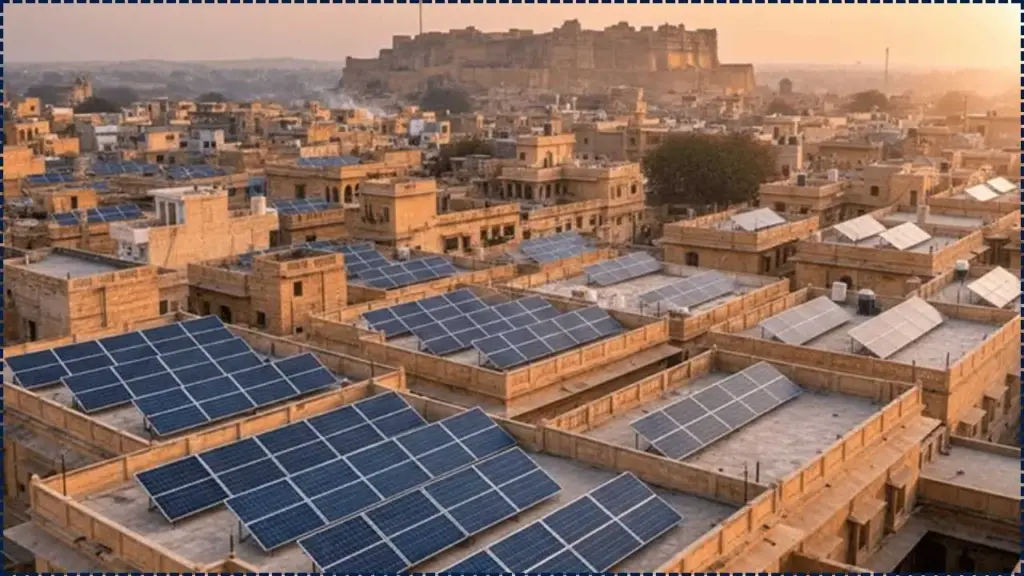
The Rajasthan Goes Hybrid reform is designed to improve grid reliability, support peak load management, and accelerate distributed renewable energy adoption in India’s leading solar state.
What the Rajasthan Goes Hybrid Policy Changes
The Rajasthan Goes Hybrid update permits rooftop solar consumers to install hybrid inverters capable of managing both photovoltaic generation and battery storage. Previously, rooftop systems were largely limited to grid-tied inverters without integrated storage capability.
Hybrid inverters enable:
- Charging batteries using solar power
- Discharging stored power during peak demand
- Seamless switching during grid outages
- Controlled export of surplus energy
The order aligns with guidelines issued by the Ministry of New and Renewable Energy (MNRE), which allow integration of battery energy storage systems (BESS) with rooftop solar installations.
Importantly, Central Financial Assistance (CFA) subsidies will continue to apply only to solar module capacity. Battery components remain unsubsidized.
Rajasthan’s Solar Context: Why the Policy Matters
Rajasthan is India’s largest solar power producer. The state benefits from high solar irradiation levels averaging 6–7 kWh per square metre per day. As of 2025, Rajasthan has installed over 20 GW of large-scale solar capacity and has been steadily expanding rooftop solar under state and central schemes.
However, rooftop solar penetration has remained lower than utility-scale installations. Industry analysts cite regulatory uncertainty, grid constraints, and storage limitations as barriers.
The hybrid inverter approval directly addresses one of those constraints — the inability to store excess rooftop generation efficiently.
Grid Stability and Peak Demand Management
Addressing Intermittency
Solar power generation peaks during mid-day hours, while electricity demand in Rajasthan often rises in the evening. Without storage, surplus rooftop solar energy is exported to the grid during the day and drawn back during peak hours.
Hybrid systems allow households and commercial consumers to store daytime generation and use it later, reducing strain on the grid.
Supporting Distribution Companies (DISCOMs)
Rajasthan’s DISCOMs have historically faced financial stress due to power purchase obligations and peak demand management costs.
Energy economists note that behind-the-meter storage may reduce the need for costly short-term power purchases during evening peaks. However, some experts caution that high self-consumption could also reduce DISCOM revenue from retail electricity sales.
Dr. R. K. Singh, an energy economist based in New Delhi, said, “The impact on DISCOM finances depends on tariff structure and compensation mechanisms. Storage improves reliability, but pricing reform must accompany technical reform.”
Technical and Regulatory Compliance
Hybrid inverters must comply with:
- Central Electricity Authority (CEA) technical standards
- Grid synchronization protocols
- Safety and anti-islanding requirements
- Metering and monitoring regulations
Distribution companies will require approved equipment lists and certification to ensure compatibility with existing grid infrastructure. Experts say that proper technical enforcement will determine long-term reliability.
Rooftop Solar-Plus-Storage Economics
Upfront Costs
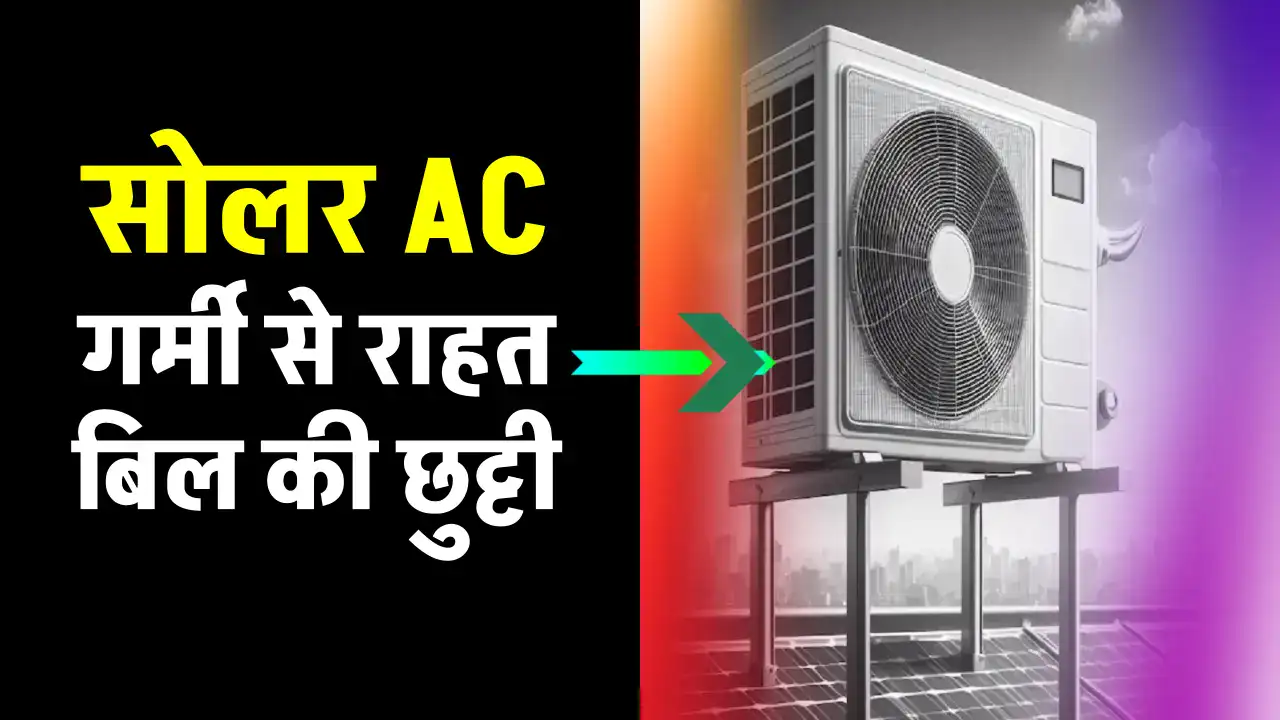
Hybrid systems cost more than traditional grid-tied systems. Battery packs can add 30–50 percent to installation costs depending on capacity. As of 2025, lithium-ion battery prices in India have declined significantly, but remain a substantial investment for households.
Payback Period
Financial viability depends on:
- Electricity tariff levels
- Net metering credit rates
- Battery lifespan
- Peak-hour pricing differentials
Commercial establishments facing high peak tariffs may achieve faster payback than residential users. According to renewable energy consultants, payback periods may range from 6 to 10 years depending on system configuration.
Alignment with National Renewable Targets
India has committed to achieving 500 GW of non-fossil fuel capacity by 2030. Distributed energy resources, including rooftop solar and storage, are expected to contribute significantly to that target.
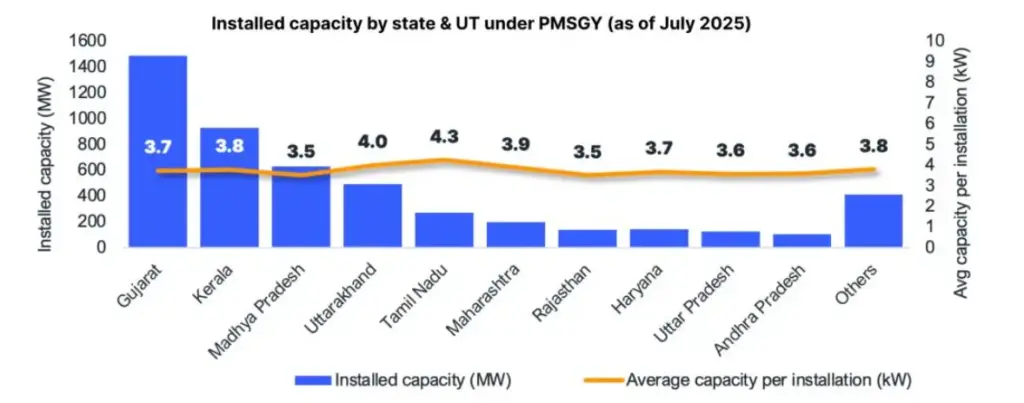
The MNRE has promoted rooftop solar under schemes such as PM Surya Ghar, aimed at increasing residential adoption. Rajasthan’s hybrid policy aligns state-level implementation with national objectives by modernizing distributed solar infrastructure.
Comparison with Other States
Several Indian states, including Gujarat and Maharashtra, have introduced policies supporting solar-plus-storage systems. However, Rajasthan’s explicit approval of hybrid inverters across all metering categories represents a comprehensive approach.
Energy policy observers say Rajasthan’s model could influence regulatory updates in other high-solar states.
Environmental and Sustainability Implications
Battery storage reduces dependence on fossil-fuel peaking plants during high-demand periods. By enabling greater self-consumption of renewable energy, hybrid systems may contribute to lower carbon emissions.
However, lifecycle considerations include battery manufacturing emissions and recycling infrastructure. The government has indicated that battery waste management rules under India’s e-waste regulations will apply to storage systems.
Investor and Banking Perspective
Financial institutions increasingly evaluate rooftop solar as a viable retail lending segment. Banks and non-banking financial companies (NBFCs) have begun offering green financing products.
Industry analysts expect financing innovation to play a critical role in expanding rooftop solar-plus-storage adoption. One senior banking executive noted during an industry event, “Hybrid rooftop systems represent the next phase of distributed renewable financing.”
Implementation Challenges
Despite policy approval, challenges remain:
- Awareness among consumers
- Skilled installation workforce
- Financing accessibility
- Equipment quality assurance
- DISCOM coordination
Successful implementation will depend on streamlined approval processes and effective public outreach.
Related Links
Tripura’s Grid Makeover: TSECL Tenders 200 MWh Battery Storage to Tackle Peak Demand
Long-Term Outlook to 2030
Energy experts anticipate increasing penetration of hybrid rooftop systems over the next five years. Declining battery costs and potential time-of-day tariff reforms may accelerate adoption.
If successfully implemented, Rajasthan’s hybrid rooftop framework could enhance energy resilience, reduce peak demand stress, and support decarbonization.
Dr. Singh said, “Hybridization is the logical next step in distributed solar evolution. The policy sets the foundation, but execution will determine impact.”
Rajasthan’s approval of hybrid inverters for rooftop solar-plus-storage systems represents a measured yet consequential reform in distributed renewable energy policy.
By enabling storage integration under established metering mechanisms, the state aims to improve grid stability, enhance consumer flexibility, and support national clean energy objectives.
As solar adoption continues to expand, hybrid systems may become an increasingly central component of India’s energy transition.