The real cost of solar in 2026 has shifted sharply following the expiration of federal tax credits for homeowner-owned systems.

While installation prices remain relatively stable, the removal of the 30% incentive increases upfront expenses and extends payback timelines, forcing U.S. households to explore new financial strategies to make solar adoption viable.
The Real Cost of Solar in 2026
| Key Fact | Detail |
|---|---|
| Average system cost | $18,000–$30,000 before incentives |
| Cost increase | ~25–30% higher without tax credit |
| Payback period | 9–12 years (up from ~7 years) |
Understanding the The Real Cost of Solar in 2026: The Real Cost of Solar in 2026
The cost of solar installations has declined significantly over the past decade, but remains a major investment for homeowners. In 2026, the average residential system ranges between $18,000 and $30,000, depending on system size, location, and equipment.
The key shift is not in hardware pricing but in policy. The expiration of federal tax credits removes a critical financial buffer, increasing the effective cost borne by consumers.
What Changed After the Federal Tax Credit Expired
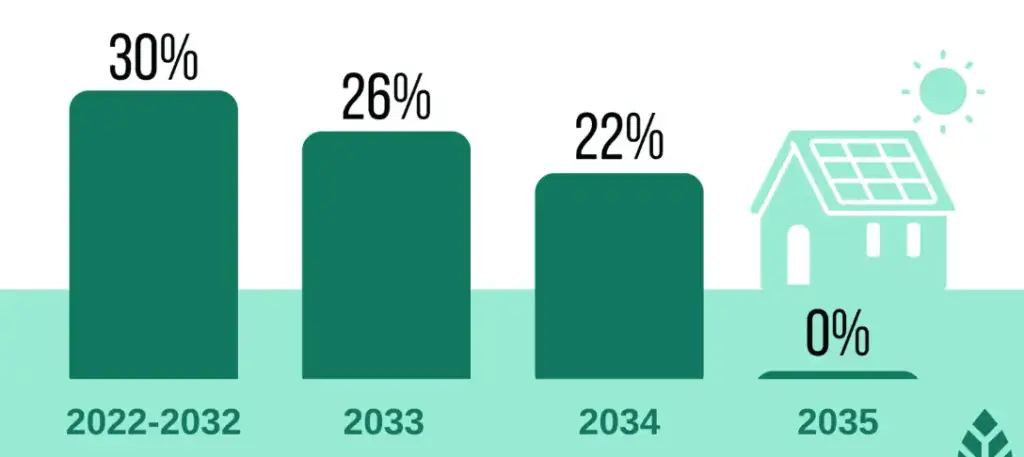
Until the end of 2025, homeowners could claim a federal tax credit covering approximately 30% of installation costs. This incentive significantly reduced upfront expenses.
In 2026:
- The credit no longer applies to new residential installations
- Homeowners must pay full system cost
- Financial returns take longer to materialize
For a typical $25,000 system, this represents a loss of approximately $7,500 in savings.
Breaking Down Solar Costs
Hardware and Equipment
Solar panels, inverters, and mounting systems make up a substantial portion of costs. Technological improvements have reduced equipment prices, but they still represent a significant investment.
Soft Costs
According to energy policy research, soft costs—including labor, permitting, and marketing—account for a large share of total system pricing in the United States. These costs remain high in many regions.
Financing Costs
Interest rates and loan structures can increase total system cost over time. Financing terms vary widely across providers.
Why Solar Still Offers Long-Term Value
Despite higher upfront costs, solar continues to provide financial and environmental benefits.
Energy Savings
Homeowners can reduce or eliminate electricity bills over a system lifespan of 20–25 years.
Protection Against Rising Prices
Electricity rates in many regions continue to increase, improving the long-term value of solar.
Environmental Impact
Solar reduces reliance on fossil fuels and supports emissions reduction goals.
Offset the Loss of Federal Tax Credits
1. Leasing and Power Purchase Agreements (PPAs)
Leasing allows homeowners to install solar with little or no upfront cost. Under this model:
- The provider owns the system
- The provider claims available tax incentives
- Homeowners pay monthly fees
This approach reduces financial barriers but may limit long-term savings. It is particularly attractive in areas with high electricity costs.

2. State and Local Incentives
Many states continue to offer:
- Rebates
- Net metering programs
- Property tax exemptions
These programs can significantly reduce net system costs, though availability varies. California and New York remain leaders in solar incentives.
3. Energy Efficiency Improvements
Reducing household energy consumption lowers the size and cost of required solar systems. Common measures include:
- Upgrading insulation
- Installing energy-efficient appliances
- Using smart home technology
4. Competitive Pricing and Installer Selection
Solar pricing can vary widely between providers. Industry experts recommend obtaining multiple quotes to identify cost-effective options.
5. Optimizing System Design
Installing a system tailored to actual energy needs helps avoid unnecessary costs. Oversizing systems can reduce financial efficiency.
6. Battery Storage Integration
Adding battery storage enhances energy independence and may qualify for separate incentives in certain regions. This can help homeowners manage energy use more efficiently and prepare for future price hikes.
Leasing vs Buying: The New Financial Equation
Buying Solar Systems
- Higher upfront cost
- Greater long-term savings
- Full ownership benefits
Leasing Solar Systems
- Lower upfront cost
- Predictable monthly payments
- Limited long-term financial upside
Leasing is gaining popularity as federal incentives shift toward commercial ownership models. For many, the upfront savings from leasing are attractive, even though ownership might provide better long-term financial returns.
Market Trends: A Transition Period
Short-Term Effects
- Reduced demand for direct ownership installations
- Increased adoption of leasing models
Long-Term Outlook
- Continued solar growth driven by energy demand
- Increased role of private-sector financing
Industry analysts note that the market is adjusting to a post-subsidy environment. However, energy demand and the growing focus on sustainability will likely continue to fuel long-term solar adoption.
Expert Perspectives
Energy economists emphasize that the removal of tax credits changes financial timelines rather than overall viability.
“Solar remains a sound long-term investment, but the economics now require more careful planning,” said an energy policy researcher.
Other experts warn that adoption rates may slow temporarily, particularly among middle-income households, who might be more affected by the lack of federal incentives.
Global Context
Compared to Europe, where governments often provide direct subsidies or feed-in tariffs, the United States is moving toward a more market-driven approach.
This shift places greater emphasis on private investment and consumer decision-making, aligning with broader clean energy goals while transitioning away from government support.

Future Outlook
Policy experts suggest that:
- New targeted incentives may emerge
- State programs may expand
- Technological advancements could further reduce costs
The long-term growth of solar remains closely tied to national climate goals and energy demand, particularly as more Americans turn to clean energy solutions to combat climate change.
Related Links
Why Alberta is Canada’s Solar Powerhouse: The Surprising Success in the Frozen North
Australia’s Green Hydrogen Vision: Exporting ‘Liquid Sunshine’ to the World in 2026
The real cost of solar in 2026 reflects a significant policy shift in the United States. While the loss of federal tax credits increases upfront expenses, a combination of falling technology costs, alternative financing models, and state-level incentives continues to support solar adoption.
The transition marks a move from subsidy-driven growth to a more market-based approach, with long-term implications for both homeowners and the broader energy sector.
FAQs
How much does solar cost in 2026?
Typically between $18,000 and $30,000, depending on system size and location.
Is solar still worth it without tax credits?
Yes, especially in regions with high electricity costs and strong state incentives.
What is the most affordable way to go solar now?
Leasing or PPAs offer the lowest upfront cost.
Will solar prices continue to fall?
Technology improvements and market competition may drive further cost reductions.