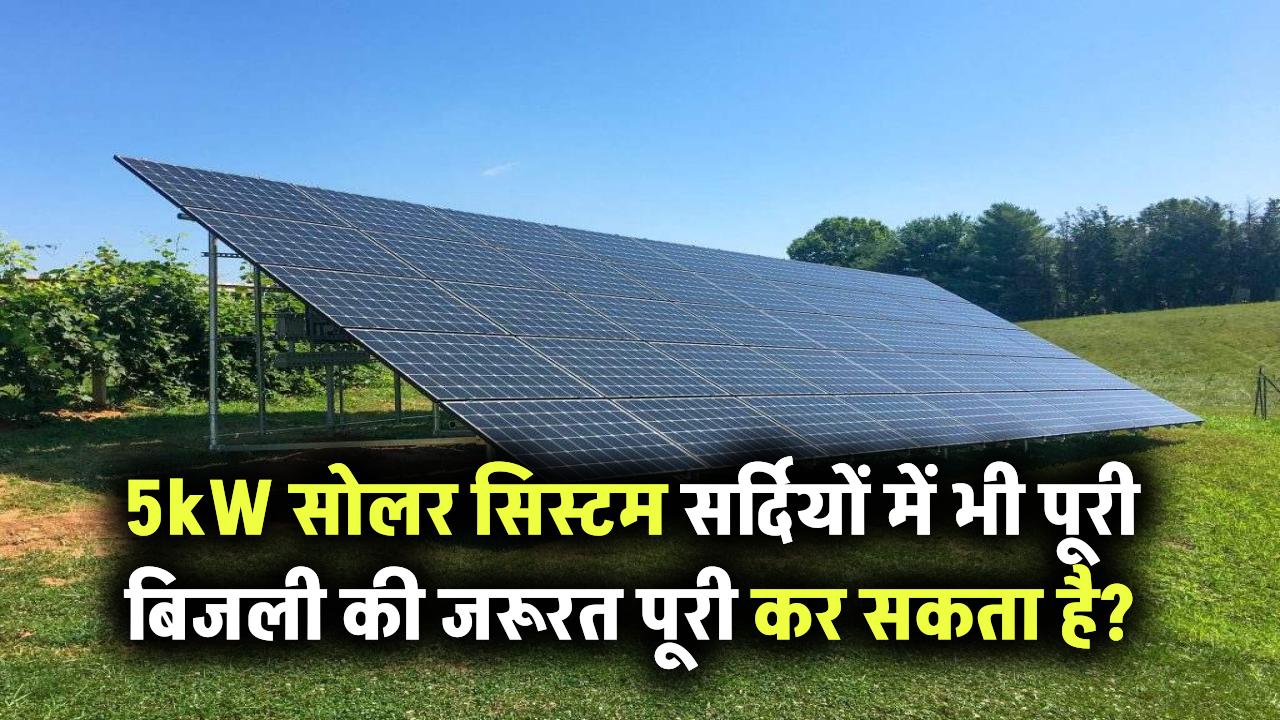

The Beat the 20% Hike: Why Rising Grid Costs are Making Solar More Valuable in 2026 trend reflects a structural shift in global energy economics.

Rising electricity tariffs—driven by fuel volatility, infrastructure upgrades, and regulatory changes—are pushing households, businesses, and industries to adopt solar energy as a cost-stable alternative in an increasingly uncertain energy environment.
Beat the 20% Hike
| Key Factor | Detail | Implication |
|---|---|---|
| Tariff increase | Up to ~20% in some regions | Rising consumer burden |
| Solar payback | 4–6 years | Faster ROI |
| Solar lifespan | 20–25 years | Long-term savings |
| Cost savings | 20–30% (commercial users) | Competitive advantage |
Rising electricity costs in 2026 are reshaping global energy consumption patterns. Solar energy is emerging as a financially strategic alternative, offering long-term stability amid price volatility. As technology advances and adoption expands, solar is expected to play an increasingly central role in the future energy landscape.
Beat the 20% Hike: Understanding the Rise in Grid Electricity Costs
Electricity pricing in 2026 reflects long-term structural pressures rather than short-term fluctuations.
Historical Context: How Costs Reached This Point
Over the past decade, electricity tariffs have gradually increased due to:
- Dependence on fossil fuels.
- Aging grid infrastructure.
- Rising capital expenditure by utilities.
- Global supply chain disruptions.
Energy economists note that these factors have compounded, leading to the current surge in tariffs.
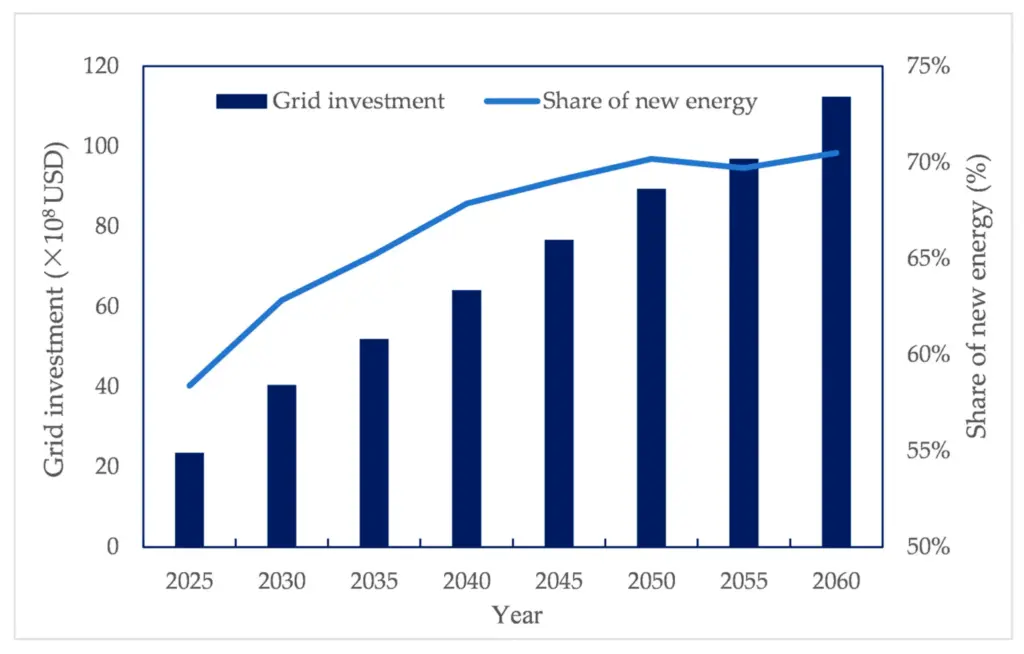
Solar vs Grid: A Cost Simulation Example
Example Scenario:
- Monthly consumption: 400 units.
- Grid cost: ₹8/unit → ₹3,200/month.
- Annual increase: 5–8%.
Over 10 years, total cost rises significantly.
In contrast:
- Solar installation: upfront investment.
- Post-payback cost: minimal.
This model demonstrates why solar becomes increasingly economical over time.
Financial Perspective: Solar as a Hedge Against Inflation
Solar energy functions as a financial hedge. Unlike grid electricity, which is subject to inflation, solar provides:
- Fixed long-term energy cost.
- Predictable financial planning.
- Reduced exposure to market volatility.
Experts describe solar adoption as similar to investing in infrastructure rather than paying recurring utility bills.
Consumer Decision Framework: Who Should Go Solar?
Ideal Candidates
- High electricity consumers.
- Homeowners with rooftop space.
- Businesses with predictable energy demand.
Less Suitable Cases
- Short-term property occupants.
- Low electricity users.
- Areas with limited sunlight.
This framework helps consumers evaluate whether solar investment aligns with their needs.
Industrial and ESG Considerations
Businesses are increasingly adopting solar as part of Environmental, Social, and Governance (ESG) strategies.
Benefits include:
- Reduced carbon footprint.
- Compliance with sustainability regulations.
- Improved corporate reputation.
Large corporations are also using renewable energy commitments to attract investors and meet global sustainability targets.
Battery Storage: The Next Frontier
Battery technology is evolving rapidly, enabling:
- Energy storage for nighttime use.
- Backup during outages.
- Greater independence from grid supply.
However, high battery costs remain a limiting factor. Experts expect prices to decline as technology matures.
Technological Innovations Shaping Solar’s Future
Emerging technologies are expected to enhance solar efficiency:
- Perovskite solar cells (higher efficiency potential).
- AI-driven energy management systems.
- Smart grid integration.
- Hybrid renewable systems.
These innovations could further reduce costs and improve performance.
Utility Sector Challenges and Policy Balance
The rise of solar presents challenges for traditional utilities. Reduced grid consumption affects revenue models, prompting the need for:
- Revised tariff structures.
- Smart grid investments.
- Distributed energy management.
Policymakers must balance consumer benefits with grid sustainability.
Risks and Uncertainties
Policy Risks
Subsidies and incentives may change over time, affecting financial calculations.
Technology Risks
Advances could make current systems less competitive in the future.
Market Risks
Component price fluctuations may impact installation costs. Despite these risks, long-term trends favor solar adoption.
Regional and Global Trends
India
Rapid growth driven by policy support and rising tariffs.
United States
Strong adoption supported by tax credits and net metering.
Europe
Accelerated transition due to energy security concerns. Global trends indicate that solar is becoming a central component of energy systems.

Case Study: Commercial Savings Model
A medium-sized enterprise consuming high electricity volumes can:
- Install a rooftop solar system.
- Reduce grid consumption by 40–60%.
- Achieve significant cost savings over time.
Such examples illustrate the economic rationale behind solar adoption.
Related Links
The 2027 VAT Cliff: Why 2026 is Your Last Chance for 0% Tax on Solar & Batteries
The VPP Revolution: How Your Home Battery is Replacing Coal and Gas in 2026
Expert Perspectives
Energy analysts emphasise the economic shift underway. “Solar energy is transitioning from an environmental solution to a financial necessity,” said an energy economist.
Another expert noted that rising grid costs are accelerating adoption faster than policy incentives alone.
FAQs
What is driving the 20% electricity hike?
Fuel costs, infrastructure upgrades, and regulatory changes are key drivers.
Is solar a good investment in 2026?
For most high-consumption users, solar offers strong long-term financial benefits.
How long does it take to break even?
Typically between four and six years.
Will solar completely replace grid electricity?
Solar complements grid supply, especially without battery storage.