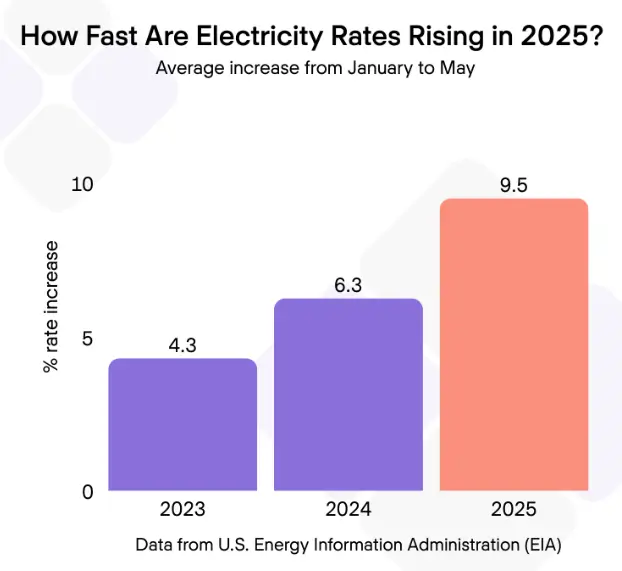
Rising US utility rates are increasing faster than overall inflation, placing sustained financial pressure on households and businesses.
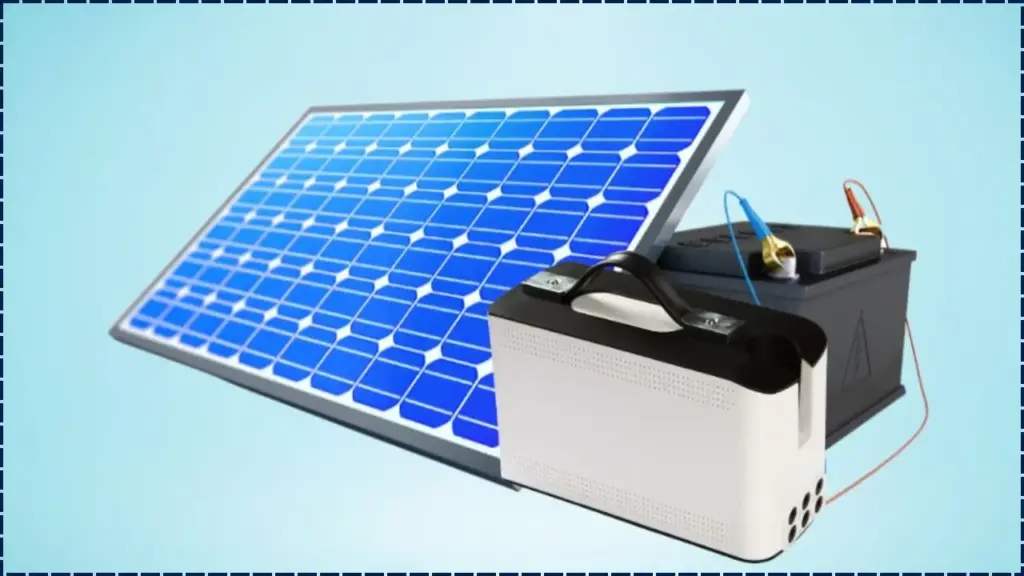
As electricity costs climb due to infrastructure spending, demand growth, and climate-related challenges, many Americans are turning to solar panels paired with battery storage to stabilize energy expenses and reduce dependence on the grid.
Rising US Utility Rates
| Key Fact | Detail/Statistic |
|---|---|
| Electricity rate increase | ~34–40% since 2021 |
| Utility rate hike requests | ~$31 billion in 2025 |
| Battery installation growth | >100% year-over-year |
| Solar share of new demand | ~60%+ in 2025 |
Rising US utility rates are reshaping how Americans think about energy. Solar panels combined with battery storage offer a way to manage costs, improve resilience, and reduce dependence on traditional utility systems.
As technology advances and adoption grows, these systems may become an increasingly common feature of the U.S. energy landscape.
Understanding Rising US Utility Rates
Electricity costs in the United States have entered a sustained upward trend, with residential bills rising significantly over the past several years. Data from federal agencies and independent analysts show that electricity prices have outpaced general inflation since 2021.
Energy economists point to a convergence of factors. Utilities are investing heavily in grid upgrades, wildfire mitigation, and storm hardening. At the same time, demand is rising due to electric vehicles, data centers, and the broader electrification of homes and industries.
“These are not short-term price spikes,” said an energy policy expert at a U.S. think tank. “They reflect long-term structural costs embedded in the system.”
The Structural Drivers of Grid Inflation
Aging Infrastructure and Capital Investment
Much of the U.S. power grid was built in the mid-20th century and now requires extensive modernization. According to the U.S. Department of Energy, utilities are investing billions in transmission upgrades, cybersecurity, and renewable integration.
These costs are typically passed to consumers through regulated rate increases, creating persistent upward pressure on electricity bills.
Climate Resilience and Extreme Weather Costs
Utilities are also spending more to prepare for extreme weather events, including wildfires, hurricanes, and heatwaves. These investments include undergrounding power lines and reinforcing infrastructure.
A report from a major research institution notes that climate-related grid costs are becoming a significant driver of rate increases.
Demand Growth from Electrification and AI
Electricity demand is rising after years of stagnation. The expansion of electric vehicles, heating electrification, and energy-intensive data centers—especially those supporting artificial intelligence—are adding new pressure on the grid. This growth requires additional generation and transmission capacity, further increasing costs.
Solar Power as a Cost Stabilizer
Solar energy offers a fundamentally different pricing model. Instead of paying continuously rising utility rates, homeowners invest upfront in a system that produces electricity for decades. “Solar transforms energy from a variable expense into a predictable asset,” said a renewable energy analyst.
In many regions, solar panels can offset a significant portion of daytime electricity usage. Net metering policies allow excess energy to be credited back to the grid, further reducing costs.
However, solar alone does not fully address reliance on the grid, particularly during nighttime hours.
The Role of Battery Storage in Energy Independence
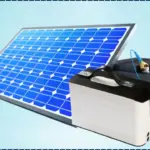
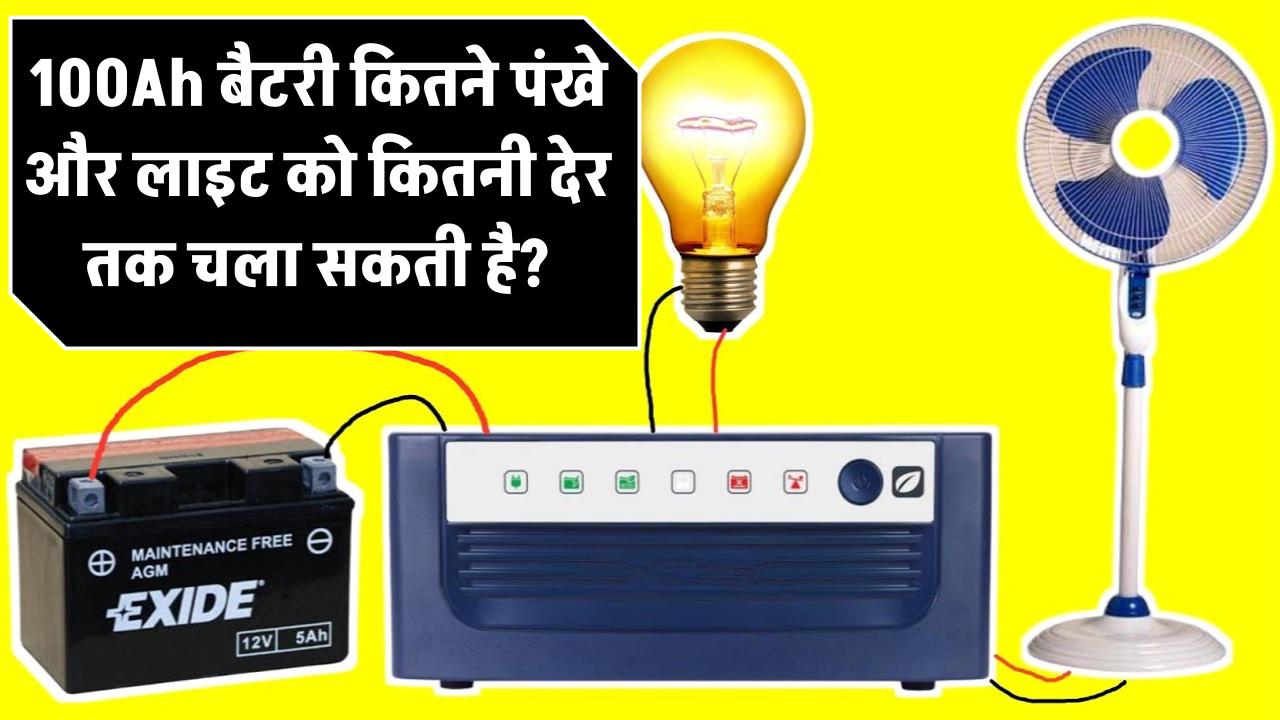
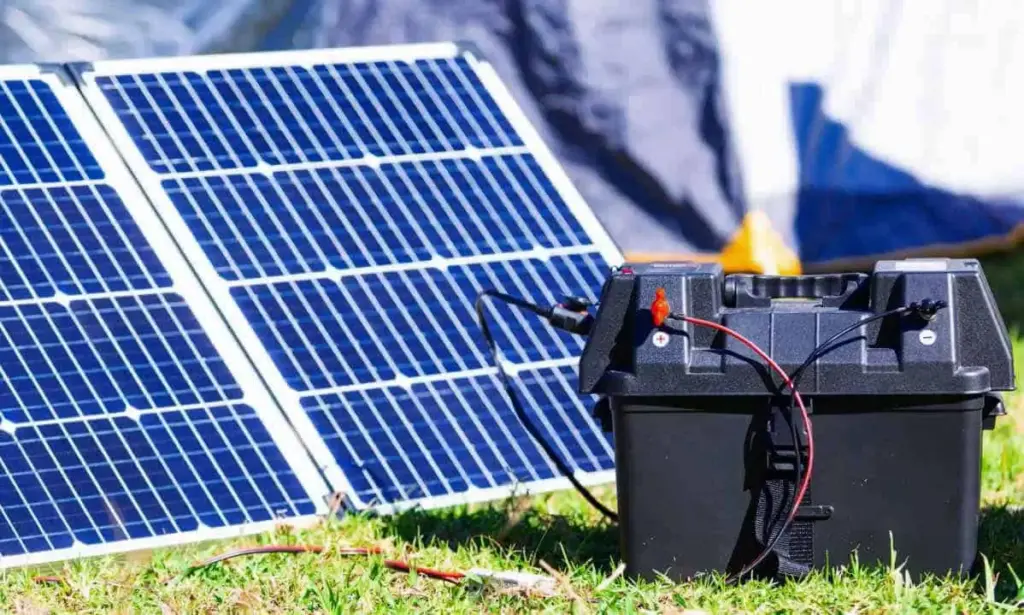
Battery storage systems are increasingly paired with solar installations, allowing households to store excess energy and use it when needed.
Managing Peak Pricing
In many U.S. states, utilities use time-of-use pricing, where electricity costs more during peak demand periods. Batteries enable households to avoid these higher rates by using stored solar energy instead.
Backup Power During Outages
Grid reliability has become a growing concern. Severe weather events have led to widespread outages, prompting consumers to seek backup solutions.
“Battery storage provides both economic and resilience benefits,” said a spokesperson from a national laboratory. “It’s about cost savings and energy security.”
Why Solar + Battery Is Seen as an ‘Escape Hatch’
The combination of solar and battery storage allows households to reduce their exposure to rising utility costs. While most users remain connected to the grid, they rely on it less. This has led analysts to describe the system as an “escape hatch” from grid inflation.
Financial Predictability and Long-Term Savings
Once installed, solar and battery systems provide relatively stable energy costs. As utility rates rise, the financial advantage of these systems increases.
Greater Control Over Energy Use
Consumers gain more control over when and how they use electricity. This flexibility can lead to additional savings and improved efficiency.
Regional Differences in Adoption
Adoption rates vary significantly across the United States.
- California: High electricity prices and frequent outages have driven strong demand for solar + storage systems.
- Texas: Grid instability, highlighted by the 2021 winter storm, has increased interest in backup power solutions.
- Northeast: High energy costs and policy incentives are encouraging adoption.
- Midwest and Southeast: Lower electricity prices have slowed adoption, though growth is increasing.
State-level policies, incentives, and utility pricing structures play a critical role in determining the financial viability of these systems.
Policy Incentives and Government Support
Federal and state policies have significantly influenced adoption. The U.S. federal government offers tax credits for solar and battery installations under clean energy legislation. Many states also provide rebates, grants, or favorable net metering policies.
However, policy uncertainty remains a concern. Changes to incentives or compensation structures can affect long-term returns on investment.
Consumer Case Study
In California, a homeowner who installed a solar + battery system in 2022 reported a substantial reduction in monthly electricity costs. During peak summer months, the system allowed the household to avoid high evening rates by using stored solar energy.
While individual experiences vary, such cases highlight the potential financial and practical benefits of the technology.
Market Trends and Industry Growth
The U.S. energy market is undergoing a rapid transformation. Solar energy accounts for a large share of new electricity generation capacity, while battery installations have surged in recent years. Industry analysts expect continued growth as technology costs decline and demand increases.
Utilities are also experimenting with “virtual power plants,” where aggregated residential batteries provide grid support during peak demand.
Challenges and Limitations
Upfront Costs
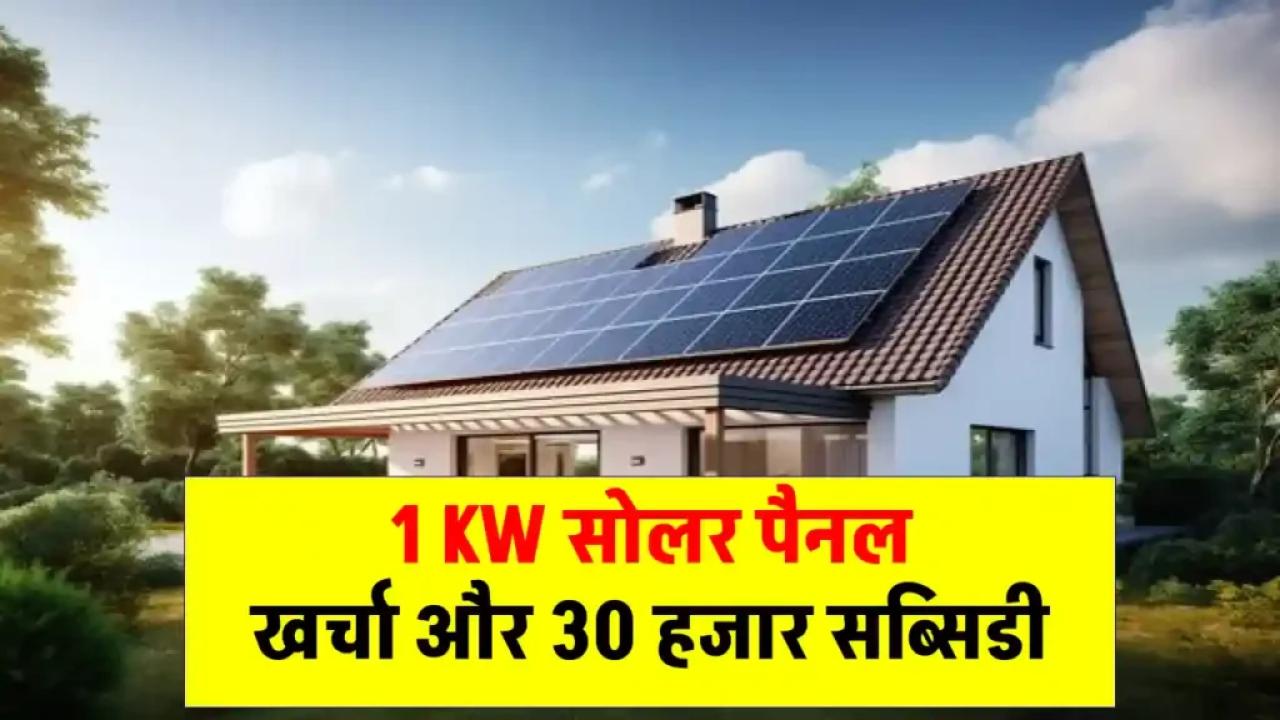
Despite declining prices, the initial investment remains significant. Financing options and incentives can help, but affordability remains a barrier for some households.
Regulatory Complexity
Energy policies vary by state and can change over time, creating uncertainty for consumers.
Technical and Geographic Constraints
Solar efficiency depends on sunlight availability, roof orientation, and local climate conditions.
Environmental and Social Impact
Solar and battery systems also contribute to emissions reduction by decreasing reliance on fossil fuel-based electricity. However, experts note the importance of responsible sourcing and recycling of battery materials, as well as equitable access to clean energy technologies.
Related Links
Bifacial Solar Technology: How Snow Reflection Can Boost Energy Yield by 30%
The Diesel-to-Solar Shift: How Indigenous Communities are Powering Northern Canada
Future Outlook
Energy experts expect electricity demand to continue rising, driven by electrification and digital infrastructure. At the same time, grid modernization efforts are likely to sustain upward pressure on utility rates.
“Decentralized energy solutions will play a growing role in the future energy mix,” said an energy systems researcher. “Consumers are becoming active participants rather than passive users.”
FAQs
What are rising US utility rates?
They refer to the increasing cost of electricity due to infrastructure upgrades, demand growth, and regulatory factors.
How do batteries improve solar systems?
They store excess energy for use during peak hours or outages, increasing savings and reliability.
Are solar + battery systems cost-effective?
They can be, depending on location, incentives, and energy usage patterns.
Do these systems eliminate grid dependence?
Most users remain connected to the grid but rely on it less.