The US community solar subscriptions surge in 2026 is accelerating in New York and California, where rising electricity prices and expanding clean energy policies are pushing residents toward shared solar programs.
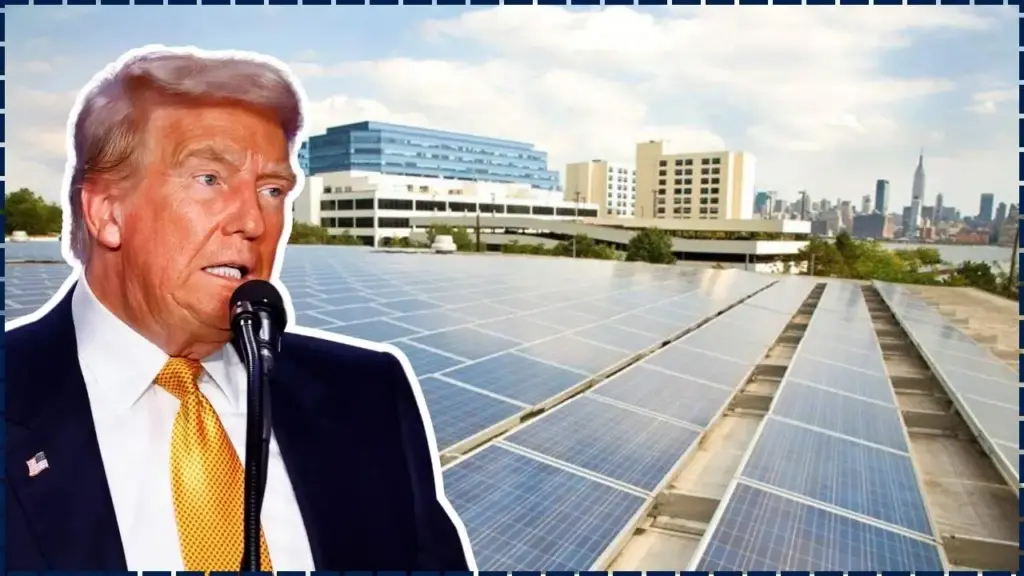
These subscription-based systems allow households to save up to 15% on power bills without installing rooftop panels, making renewable energy accessible to renters, urban residents, and businesses.
Save 15% on Power Bills
| Key Fact | Detail | Why It Matters |
|---|---|---|
| Savings Potential | 5%–15% reduction | Immediate financial relief |
| Access | No rooftop needed | Inclusive energy model |
| NY Market | Largest in US | Proven scalability |
| CA Market | Slower rollout | High future potential |
The US community solar subscriptions surge in 2026 highlights a major shift toward more inclusive and flexible energy systems. While New York demonstrates what strong policy can achieve, California’s evolution will likely determine how widely the model expands nationwide.
As energy costs rise and climate goals intensify, shared solar is positioned to become a central pillar of the U.S. energy transition.
What Is Community Solar and Why It Matters
Community solar allows multiple participants to subscribe to a shared solar farm and receive bill credits based on electricity production. Instead of installing panels on individual rooftops, energy is generated off-site and distributed through the grid.
This model removes major barriers such as:
- High upfront costs
- Property ownership requirements
- Structural limitations
Energy researchers estimate that nearly 80% of Americans cannot install rooftop solar, making shared solar a critical pathway to expanding renewable access.
US Community Solar Subscriptions Surge in 2026 — A Structural Shift
The US community solar subscriptions surge in 2026 reflects a broader transformation in how electricity is delivered and consumed. Rather than relying on individual ownership, the model shifts toward shared infrastructure and subscription-based access.
Analysts describe this as a move from “asset ownership” to “energy services,” similar to trends seen in digital and transportation sectors.
New York: A Mature and Rapidly Scaling Market
New York leads the United States in community solar deployment, with a well-established ecosystem of developers, utilities, and subscribers.
Key Strengths
- Strong state incentives and renewable mandates
- Streamlined approval processes
- High consumer awareness
New York’s policy-driven approach has enabled rapid expansion, with community solar becoming a mainstream option for households.
Real-World Example
A residential subscriber in upstate New York reported consistent monthly savings of around 10%, with no change in electricity usage habits. Such examples highlight the model’s practicality and ease of adoption.
California: High Potential, Complex Reality
California, despite its leadership in renewable energy, has experienced slower growth in community solar.
Structural Challenges
- Complex regulatory frameworks
- Utility pricing structures
- Grid interconnection delays
Policy Debate
California regulators have faced competing priorities:
- Consumer advocates demand higher savings
- Utilities emphasize grid stability and cost recovery
- Developers seek predictable incentives
This has slowed program rollout, even as demand remains strong.
How the Savings Actually Work
Understanding the billing mechanism is critical to evaluating community solar.
Save 15% on Power Bills Process
- A resident subscribes to a portion of a solar farm
- The farm generates electricity
- The local utility measures energy production
- Credits are applied to the subscriber’s bill
- The subscriber pays a discounted amount
Example Calculation
- Electricity value generated: $100
- Discount applied: 15%
- Final bill cost: $85
Energy economists emphasize that savings are typically stable but can vary depending on production and seasonal changes.
Why Consumers Are Signing Up Faster in 2026
1. Rising Energy Costs
Electricity prices have increased in several U.S. regions, particularly in urban areas like New York City and parts of California.
2. No Upfront Investment
Unlike rooftop solar, community solar requires:
- No installation
- No equipment ownership
- No maintenance
3. Ease of Enrollment
Programs often allow:
- Online sign-up
- No long-term contracts (in some cases)
- Quick activation
4. Sustainability Goals
Consumers are increasingly motivated by environmental concerns and climate change awareness.
Who Benefits the Most?
Renters and Apartment Residents
Community solar is particularly beneficial for renters, who cannot install rooftop systems.
Low- and Moderate-Income Households
Many programs include provisions to ensure affordability, helping reduce energy burdens.
Small Businesses
Businesses can reduce operating costs while meeting sustainability targets.
Business Model and Investment Trends
Community solar operates through collaboration between:
- Private developers
- Utility companies
- Energy subscribers
Investment Growth
The sector has attracted billions in funding, with investors drawn to:
- Stable revenue streams
- Growing consumer demand
- Policy support
Energy finance experts view community solar as a low-risk, scalable investment model.
Criticism and Concerns: A Balanced View
While the model is widely supported, it is not without criticism.
Concerns from Utilities
Utilities argue that:
- Cost-sharing mechanisms may be uneven
- Grid maintenance costs still need to be recovered
Concerns from Consumer Groups
Some advocates warn about:
- Complex billing structures
- Overstated savings in marketing
Land Use Issues
Local communities have raised concerns about:
- Use of agricultural land
- Visual impact of solar farms
Experts stress the need for balanced policy design to address these concerns.
Environmental Impact
Community solar contributes to:
Price Hike Warning: Why electricity costs could double by 2035 and how Solar can save you lakhs
- Lower greenhouse gas emissions
- Increased renewable energy adoption
- Reduced reliance on fossil fuels
Environmental analysts emphasize its role in meeting U.S. climate targets.
Consumer Guide: Save 15% on Power Bills Join a Community Solar Program
Steps to Enroll
- Check availability in your state
- Choose a verified provider
- Review contract terms
- Subscribe to a solar project
- Start receiving bill credits
Energy advisors recommend comparing multiple providers before signing up.
Expert Perspectives
Energy policy experts consider community solar a key solution for expanding renewable access. One analyst noted: “Community solar removes the biggest barriers to adoption—ownership, cost, and infrastructure—making it one of the most scalable clean energy solutions available.
” However, experts also caution that policy design must ensure fairness across all consumers.
Related Links
The Real Cost of Solar in 2026: How to Offset the Loss of Federal Tax Credits
Is the 30% Solar Tax Credit Really Gone? What US Homeowners Must Know in 2026
Future Outlook: What Comes Next
The US community solar subscriptions surge in 2026 is expected to continue expanding.
Key trends ahead:
- Growth in underserved states
- Integration with battery storage
- Increased corporate participation
- Improved regulatory frameworks
Analysts predict that community solar could become a mainstream energy option within the next decade.
FAQs
How much can I save with community solar?
Typically between 5% and 15%, depending on the program.
Do I need to install solar panels?
No, the solar farm is off-site.
Is community solar available nationwide?
No, it depends on state policies.
Can renters join?
Yes, community solar is designed for renters and homeowners alike.