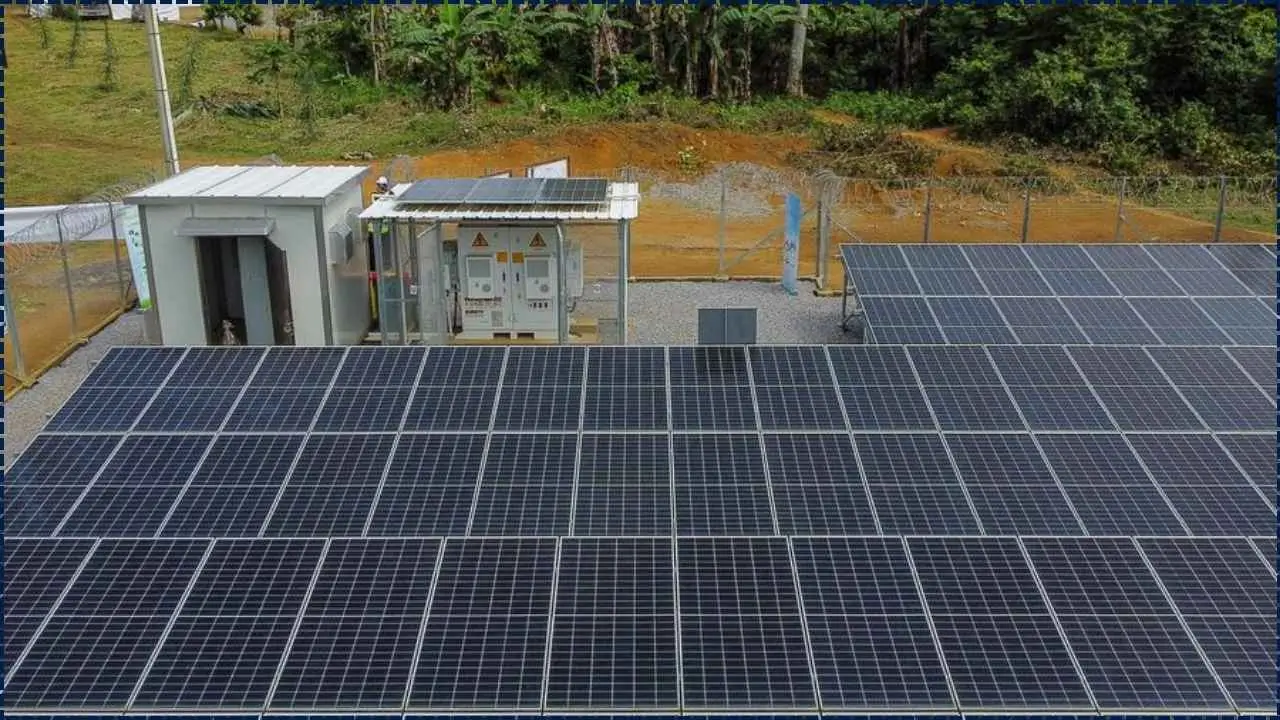

A Seattle-based clean energy startup is transforming the solar landscape with a The Rooftop Reset platform designed to make rooftop solar accessible without upfront fees.
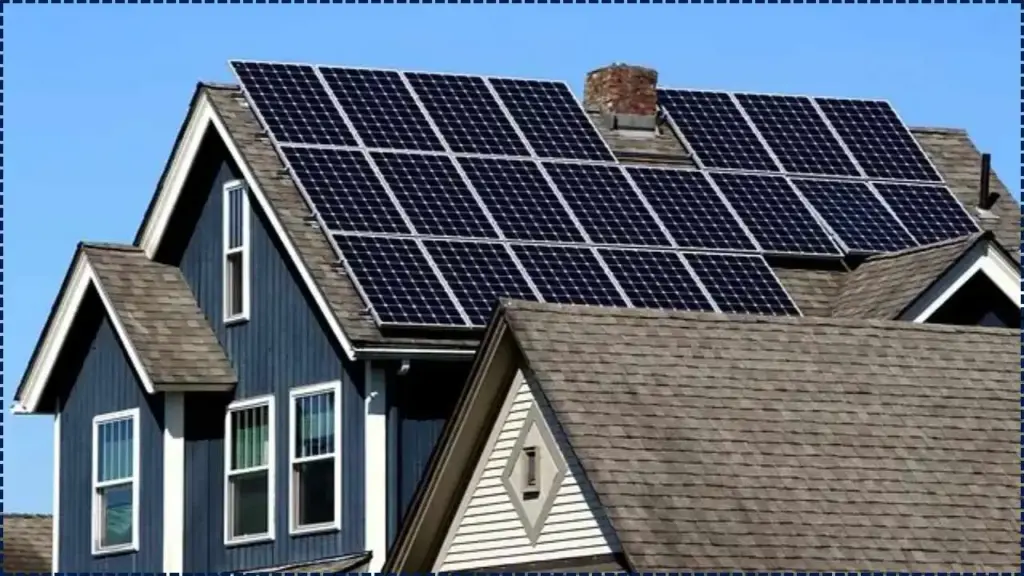
By offering a subscription-based model, this platform promises lower energy costs and broader adoption for U.S. homeowners. With this new model, could your state be next to join the solar revolution?
The High Cost of Solar: Barriers to Adoption
Historically, the high upfront costs of rooftop solar installations have been a major barrier for many homeowners looking to make the switch to renewable energy. With traditional installation prices ranging from $15,000 to $30,000, even after applying incentives like the Federal Investment Tax Credit (ITC), many consumers struggle with financing the initial investment.
This new The Rooftop Reset platform removes this financial obstacle by eliminating upfront installation fees, offering a subscription-based model that spreads the cost of solar over time.
Homeowners now only need to pay a fixed monthly fee that is often lower than their typical electricity bill, making solar energy more accessible to middle-class families and renters who otherwise couldn’t afford the initial investment.
While this model has similarities to existing solar leasing and Power Purchase Agreements (PPAs), the key difference is that it completely eliminates the upfront capital requirement, making it a more attractive option for homeowners who are financially constrained.
How the ‘No‑Fee’ Platform Works
The platform’s no-fee model functions by offering solar systems through a Power Purchase Agreement (PPA) or Solar Lease. Rather than paying upfront for installation and equipment, homeowners enter into an agreement where they pay for the energy produced by the system.
The company installs, maintains, and warranties the solar panels for the entire duration of the agreement, which can range anywhere from 20 to 25 years.
Key Features of the ‘No-Fee’ Solar Model:
- No Upfront Costs: Homeowners don’t need to pay installation fees, removing the biggest barrier to solar adoption.
- Lower Monthly Payments: Monthly payments for solar energy are fixed and typically lower than traditional utility bills.
- Long-Term Maintenance Included: The company handles all maintenance, monitoring, and service calls for the duration of the contract.
- Energy Savings: Consumers start saving on energy bills immediately due to the lower monthly payment structure.
Homeowners don’t have to worry about unexpected maintenance costs or system performance issues, as the platform guarantees long-term service and monitoring for free, ensuring peace of mind throughout the contract.
Why Is This Important for Homeowners?
For many homeowners, the biggest deterrent to installing solar has been the significant upfront costs. Even though federal and state incentives can help reduce the price of solar systems, paying several thousand dollars upfront is simply not feasible for many families.
This no-fee model opens up solar energy to a much broader demographic. For example, Emily Johnson, a homeowner from Texas, shared her experience: “The upfront cost of solar always scared me off, but this platform makes it so much more manageable.
My monthly payments are less than what I was paying for electricity, and I get the added benefit of using clean energy.”
The The Rooftop Reset platform enables people like Emily to take advantage of solar’s financial and environmental benefits without the substantial initial investment. This model allows homeowners to start saving on their electricity bills while contributing to the transition toward renewable energy.
How Does the Startup Cover the Costs?
One of the main questions surrounding the no-fee model is how the startup can afford to install solar systems without charging homeowners upfront. The answer lies in their long-term partnership with solar manufacturers and energy providers.
प्लग-इन सोलर पैनल बन रहे हैं नई ग्रीन एनर्जी ट्रेंड! जानिए क्यों हर घर के लिए हो रहे हैं जरूरी
By purchasing solar panels and related equipment at a bulk rate, the startup is able to cover the initial installation costs. These systems are then leased to homeowners through a long-term agreement that ensures the startup recovers the costs over time.
The platform generates revenue through the subscription model, where homeowners pay a predictable monthly fee for the energy their panels generate.
This financing model is made possible by the rapidly expanding solar market in the United States. With increasing demand for clean energy, both solar providers and consumers are looking for solutions that make rooftop solar more affordable and accessible.
The Economic Impact: Will This Model Work Nationwide?
The potential for The Rooftop Reset to transform the solar market is immense, but its success depends on several key factors, including state-specific policies, energy prices, and the willingness of homeowners to adopt this new financing model.
Success in High Solar Adoption States
In states like California, New York, and Massachusetts, where electricity prices are higher and solar incentives are abundant, this no-fee model could accelerate the adoption of solar by providing more homeowners with access to affordable clean energy.
These states already have strong net metering policies, which allow solar customers to receive credits for excess power they generate, making the model even more attractive.
For instance, California offers some of the highest rebates for solar installation in the country, and New York provides incentives through the Solar Energy Systems Incentive Program (SESIP). These incentives, combined with the no-fee model, create a potent combination that could drive faster adoption.
Barriers in Low Solar Adoption States
In contrast, states with lower utility rates or weaker incentives for solar may face slower adoption of this model. States like Florida, Texas, and Michigan could find it more challenging to make the case for solar under a no-fee platform if the financial savings from solar installations are not significant enough to drive homeowner interest.
Additionally, net metering policies vary widely across states and could affect how quickly solar energy savings can be realised.

The Role of State Policies and Incentives
State and local policies will be critical in determining the success of no-fee solar platforms. For instance, policies around net metering, solar power credits, and state-level tax incentives directly affect the economic feasibility of solar energy projects.
- Net Metering: In states with strong net metering policies, homeowners can receive credits for the excess energy their solar panels generate, reducing monthly bills and boosting savings.
- State Incentives: States that offer additional tax credits, rebates, and incentives will see faster adoption of this model, as the financial benefits will be more apparent to homeowners.
As the U.S. Department of Energy continues to push for a nationwide transition to renewable energy, state-level policies and incentives will play a critical role in determining how quickly these no-fee platforms can spread across the country.
Challenges and Criticisms
While the no-fee model has garnered attention for its affordability and accessibility, there are some potential challenges:
- Long-Term Financial Commitment: The subscription-based model requires homeowners to commit to long-term agreements, which could limit flexibility in case of resale or refinancing.
- Price Increases: Critics of solar leasing models have pointed out that prices could increase over time, especially after the initial contract period, which might lead to higher long-term costs than expected.
- Complex Contracts: Like any financing agreement, homeowners must carefully review terms and conditions. A poorly structured agreement or lack of clarity could lead to financial pitfalls down the road.
The success of the platform will depend largely on transparency, consumer education, and strong consumer protections, including clear contract terms and exit options.
Related Links
The Future of Rooftop Solar: Is Your State Next?
As more homeowners look for ways to reduce energy costs and invest in clean energy, The Rooftop Reset has the potential to reshape the residential solar market. The model’s success will depend largely on state policies, local energy prices, and consumer willingness to adopt subscription-based services.
The platform has already been successful in select regions, and the company plans to expand into more states in the coming years.
As energy prices continue to rise and more consumers seek clean alternatives, platforms like this could play a major role in helping the U.S. meet its clean energy goals.