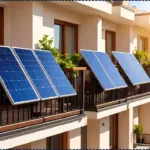

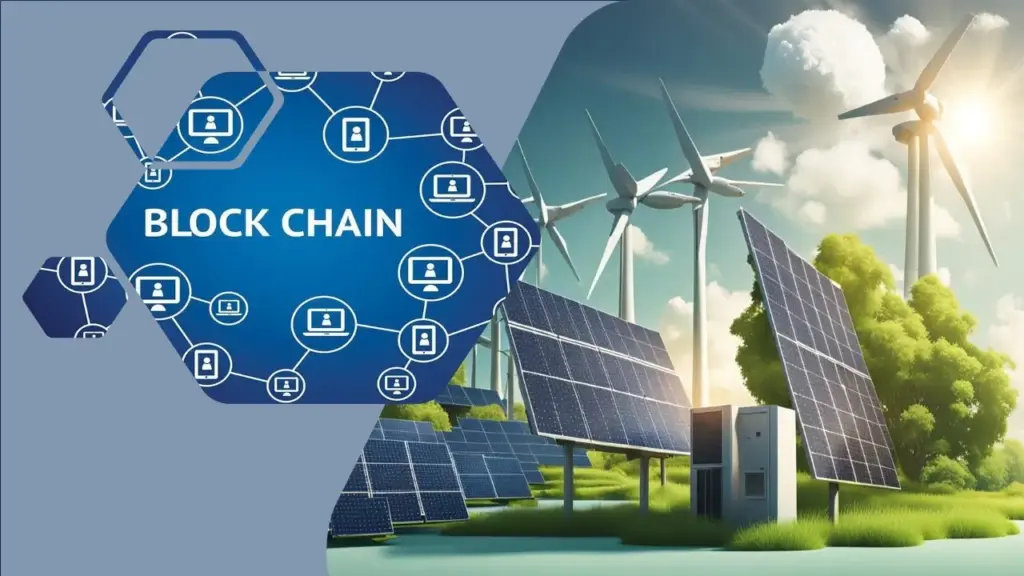
Across Europe, a technological shift is underway that lets homeowners not just generate clean energy but trade their surplus solar power via blockchain, the same technology that powers cryptocurrencies.
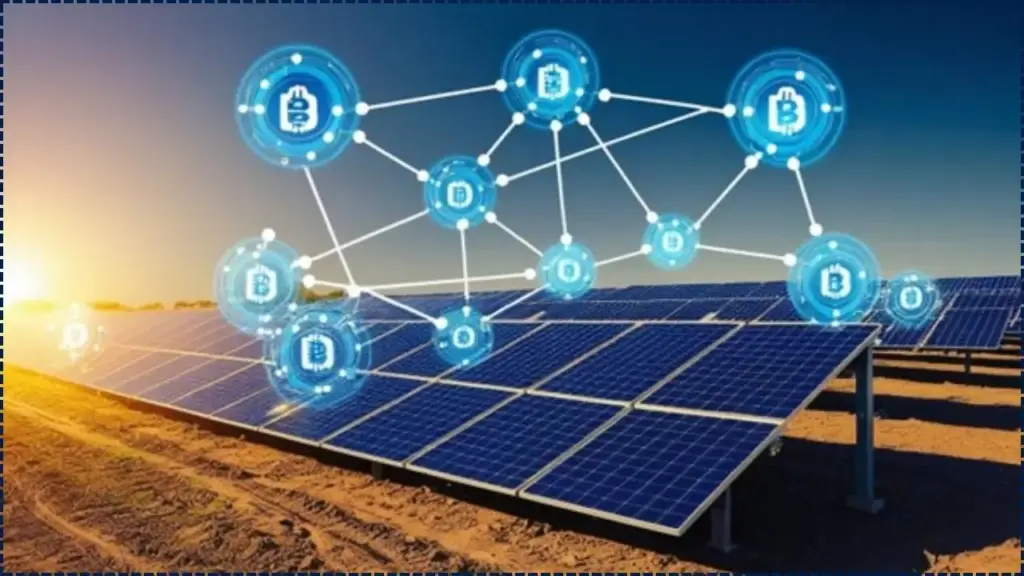
The integration of blockchain technology into the energy sector is enabling peer-to-peer (P2P) energy trading on a scale previously unseen, with the potential to revolutionize both the solar industry and the way consumers interact with their energy supply.
By leveraging blockchain’s decentralized structure, homeowners can now sell excess solar energy directly to others in their communities or neighborhoods, bypassing traditional utility companies. This new model of energy democratization is not only reshaping the energy markets but also fostering a cleaner, more sustainable future for Europe.
How Blockchain is Facilitating Solar Energy Trading
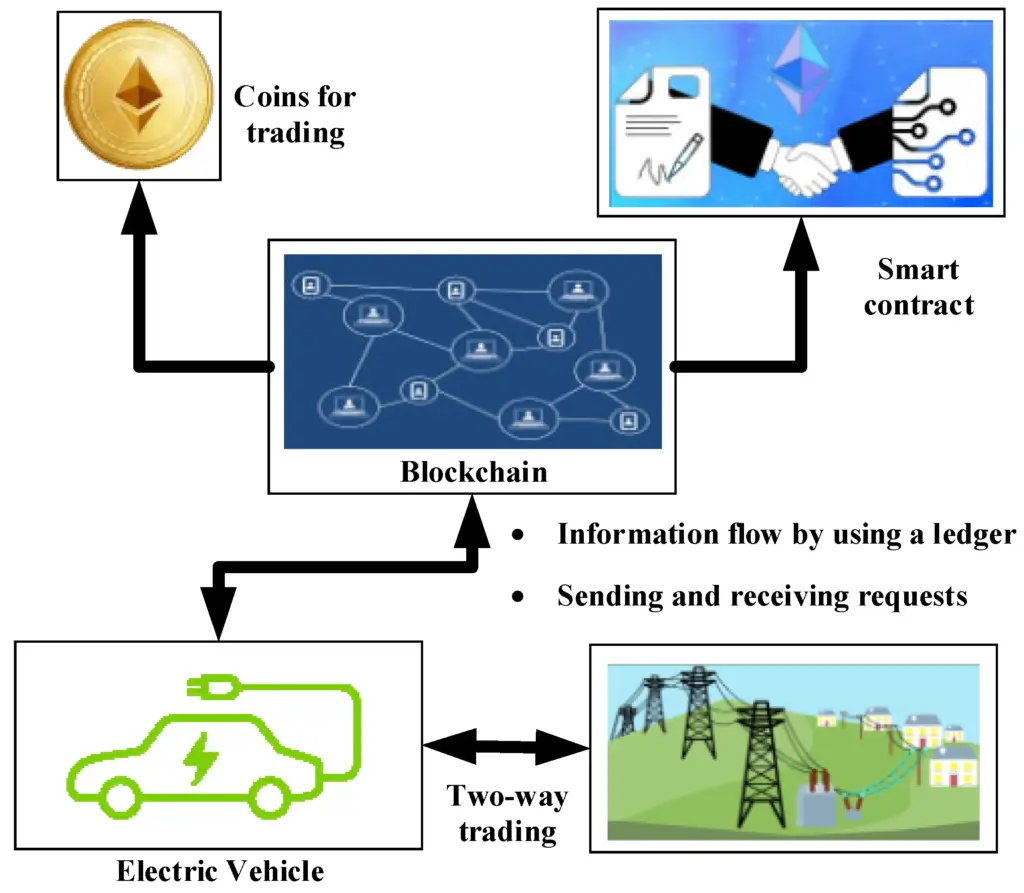
Blockchain, the digital ledger technology that underpins cryptocurrencies, has found a natural fit in energy markets, particularly in the realm of solar power trading. Blockchain allows for secure, transparent, and traceable transactions, which are key requirements for building trust in decentralized energy exchanges.
Key Features of Blockchain in Solar Trading:
- Peer-to-Peer Transactions: Blockchain enables peer-to-peer (P2P) trading, where homeowners with solar panels can sell their excess electricity directly to neighbors or businesses.
- Smart Contracts: Automated agreements (smart contracts) on blockchain platforms execute the trade once certain conditions are met, such as price matching or solar energy availability.
- Decentralization: Traditional energy markets rely on centralized utilities to manage distribution and pricing, but blockchain eliminates the middleman, enabling direct transactions between buyers and sellers.
- Transparency and Security: Every transaction is recorded on the blockchain, ensuring that all trades are transparent, verifiable, and cannot be altered once completed.
Why Is Blockchain Energy Trading Gaining Popularity in Europe?
Europe has long been a pioneer in the renewable energy transition, with countries like Germany, Denmark, and Spain leading the charge in solar and wind energy generation. The push for clean energy solutions, coupled with the need to reduce dependence on fossil fuels, has created a fertile environment for new ideas in energy markets.
Blockchain’s potential to democratize energy trading aligns perfectly with the EU’s energy security and carbon neutrality goals for 2050.
Key Drivers of Blockchain Adoption in Solar Energy Trading:
- Increase in Solar Adoption: As solar panel installations grow in Europe, so does the surplus energy that homeowners can sell. According to the European Commission, solar power capacity in Europe is expected to increase by 20% by 2025. This opens up a larger market for energy exchanges.
- The Need for Energy Independence: Europe’s reliance on imported fossil fuels has highlighted the importance of energy independence. Blockchain technology allows for localized energy production and consumption, reducing reliance on central grids.
- Government Support for Decentralized Energy Models: Several European nations are beginning to allow or even incentivize decentralized energy markets as part of their commitment to renewable energy. Programs that encourage peer-to-peer energy trading and blockchain innovation are gaining traction in countries such as Switzerland, Germany, and the Netherlands.
- The Rise of “Energy as a Service”: With blockchain, energy companies and consumers can enter into service-level agreements that allow them to sell or buy energy as easily as purchasing products. This model is changing how energy is viewed from a utility service to a commodity that can be traded.
How Blockchain Solar Energy Trading Works in Practice
Several innovative companies across Europe have already begun developing blockchain-based platforms that facilitate the buying and selling of surplus solar power.
Homeowners can register their energy production data on these platforms, and smart contracts automatically execute trades when the price and quantity match buyer and seller preferences.
Key Steps in Blockchain Solar Energy Trading:
- Energy Generation: A homeowner generates solar power via their rooftop solar system. Any energy produced beyond their immediate consumption is considered excess energy.
- Tokenization of Surplus Energy: The excess energy is then tokenized — a process where the energy is given a digital value, which can then be sold in blocks (similar to cryptocurrency units).
- Smart Contracts and Trading: Using smart contracts, the system ensures that transactions are automatic. The contract will execute when both buyer and seller agree to the terms, such as price and quantity of energy.
- Blockchain Ledger: Every transaction is recorded in the blockchain ledger, making it traceable and transparent. This prevents fraud, disputes, or mistakes in trading, ensuring the system operates efficiently.
- Payment Settlement: Once the trade is executed, the transaction is confirmed on the blockchain, and the buyer pays the seller in digital currency or through local currency payments, depending on the platform used.
European Blockchain Solar Projects: Leading the Way
Power Ledger (Switzerland and Germany)
Power Ledger is a blockchain platform that facilitates P2P energy trading. The company has pilot projects running in Germany and Switzerland, where homeowners and businesses can sell their excess solar energy through the blockchain. The system allows them to set their own energy price, increasing transparency in pricing and giving prosumers more control over their energy market.
- Energy Exchanges: Power Ledger’s platform allows energy producers to directly trade with consumers within a local community, making energy exchanges more efficient and cutting out middlemen.
- Integration with Utilities: The platform works alongside existing energy providers to ensure that all trades comply with national energy regulations.
Verv (United Kingdom)
Verv has developed a blockchain-based platform that connects solar homes to buyers of solar power, such as neighbors or local businesses.
The system uses smart meters and blockchain smart contracts to match energy supply with demand. Their goal is to make solar energy more accessible and affordable for everyone, while providing a marketplace for locally sourced energy.
- Blockchain Network: Verv’s system uses the Ethereum blockchain to facilitate energy trading, ensuring security and transparency.
Challenges and Limitations
Despite the many benefits, several challenges remain before blockchain energy trading can become mainstream:
1. Scalability Issues
While blockchain has proven its potential for small-scale projects, scaling up to manage the energy needs of entire countries could present challenges in terms of transaction speed and network congestion.
2. Regulatory Hurdles
Energy markets are heavily regulated, and not all European countries have clear rules for blockchain‑based energy trading. Harmonizing P2P trading with existing utility regulations, tariffs, and grid codes remains complex and ongoing.
3. Grid and Market Integration
For blockchain energy markets to work at scale, grid operators must integrate these systems into existing market frameworks without compromising grid stability or fair pricing structures. This requires coordination between regulators, utilities, and technology providers.
Related Links
The End of Silicon Panels? This New ‘Perovskite’ Tech Promises 50% Cheaper Solar Power!
Suzlon Energy Falls Over 2%! What Triggered the Drop – Experts Reveal the Real Reasons
A Decentralized Solar Market Future?
Analysts expect that blockchain‑enabled energy trading will grow significantly in the coming decade. Some industry reports forecast the global P2P energy trading market — including blockchain systems — could surpass $5 billion by 2030, driven by smart contract adoption and prosumer participation.
For European homeowners, this emerging model could represent a fundamental shift: from passive consumers of grid electricity to active market participants who trade energy much like financial assets.
If technical, regulatory, and market challenges are navigated successfully, blockchain could help unlock a more democratic, efficient, and resilient energy future.