
The Start Getting Paid for Solar: How to Set Up Your SEG Account in 2026 framework reflects a broader transition toward decentralized energy systems.
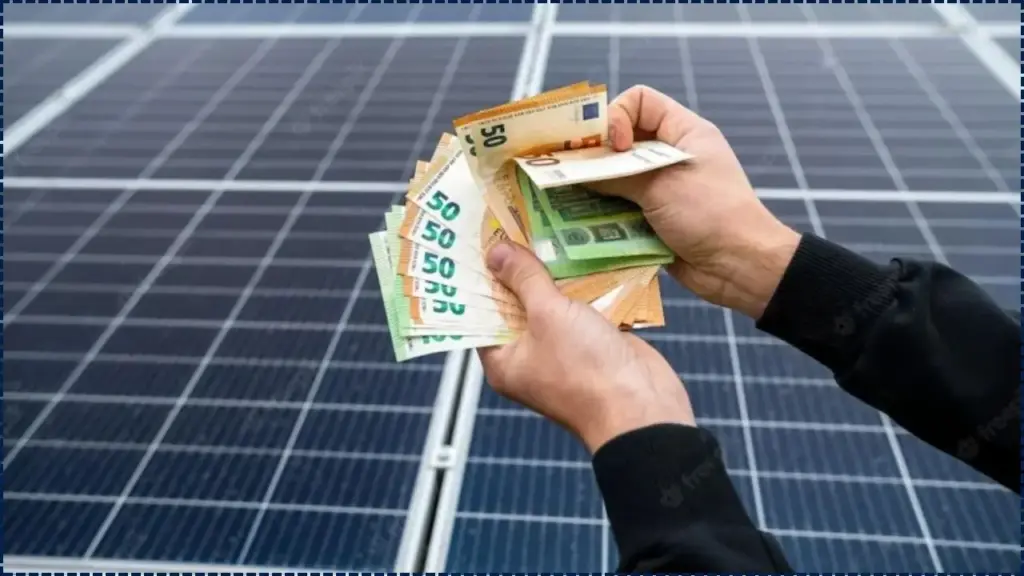
Under the Smart Export Guarantee (SEG), regulated by Ofgem, households and businesses can earn payments by exporting excess renewable electricity to the grid, turning solar energy into both a cost-saving and income-generating asset.
Start Getting Paid for Solar
| Key Factor | Detail | Context |
|---|---|---|
| Scheme type | Market-based export payments | Replaced Feed-in Tariff |
| Payment range | ~4p–15p per kWh | Supplier-dependent |
| Setup time | 2–6 weeks | Application process |
| System lifespan | 20–25 years | Long-term earning potential |
The Smart Export Guarantee is reshaping the role of consumers in energy markets by enabling them to earn from renewable generation. As electricity costs rise and technology advances, SEG participation is likely to expand, supporting both financial savings and broader energy transition goals.
Start Getting Paid for Solar: Understanding the Smart Export Guarantee (SEG)
The Smart Export Guarantee (SEG) requires licensed electricity suppliers to pay small-scale renewable generators for electricity exported to the grid. Unlike the Feed-in Tariff (FiT), SEG does not guarantee fixed payments. Instead, suppliers offer competitive tariffs, reflecting market conditions.
According to Ofgem, the scheme is designed to encourage distributed renewable generation while maintaining flexibility in energy pricing.
Why SEG Is Gaining Importance in 2026
Rising electricity prices are increasing the financial value of exporting solar energy. Households now benefit from:
- Lower electricity bills through self-consumption.
- Additional revenue through SEG payments.
Energy analysts note that SEG has become more relevant as electricity tariffs rise, improving the economics of solar installations.
Start Getting Paid for Solar: Setting Up Your SEG Account
Verify Eligibility
Your system must meet certification standards such as the Microgeneration Certification Scheme (MCS).
Install a Smart Meter
A smart meter capable of half-hourly readings is required to measure exported electricity.
Prepare Documentation
Typical requirements include:
- MCS certificate
- Grid connection approval
- Proof of ownership
- Bank details.
Compare Suppliers
Evaluate tariffs, payment terms, and contract flexibility before choosing a provider.
Submit Application
Applications are usually processed within two to four weeks.
Begin Receiving Payments
Payments are issued periodically based on exported electricity volumes.
Real-Life Earnings Scenario
Example:
- System size: 4 kW
- Annual generation: ~3,400 kWh
- Exported energy: 50% (1,700 kWh)
- Tariff: 10p/kWh
Estimated annual earnings: £170
This example illustrates how SEG income supplements bill savings rather than replacing them.
Supplier Comparison Framework
Choosing the right SEG supplier can significantly impact earnings.
| Criteria | Why It Matters |
|---|---|
| Tariff rate | Directly affects income |
| Payment frequency | Impacts cash flow |
| Contract terms | Determines flexibility |
| Customer service | Affects experience |
Experts recommend reviewing multiple providers before committing.
Timeline: From Installation to Income
Phase 1: Installation
Solar panels installed and certified (1–2 weeks)
Phase 2: Documentation & Application
Submission and approval (2–4 weeks)
Phase 3: Activation
SEG account setup and meter integration (1–2 weeks)
Phase 4: Earnings
Payments begin after first billing cycle
Total timeline: approximately 4–8 weeks.
Legal and Regulatory Compliance
SEG participants must comply with:
- Grid connection standards (G98/G99).
- Certification requirements (MCS).
- Supplier-specific terms.
Failure to meet these requirements can delay or prevent payments.
SEG Earnings Optimization Strategies
Maximize Export Efficiency
Ensure excess energy is exported during optimal periods.
Monitor System Performance
Regular maintenance improves generation efficiency.
Switch Suppliers
Periodic comparison can identify better tariff options.
Equity and Access Considerations
Despite its benefits, SEG is not equally accessible to all consumers.
Barriers include:
- High upfront installation costs.
- Lack of rooftop space for renters.
- Limited awareness in certain communities.
Experts highlight the need for inclusive policies to expand access.
Environmental Value and Carbon Impact
Solar energy contributes to emissions reduction by replacing fossil fuel-based electricity. Households participating in SEG:
- Lower carbon footprint.
- Support renewable energy transition.
- Contribute to national climate goals.
Some analysts argue that environmental benefits should be factored into economic evaluations.
Future of Energy Trading: Beyond SEG
Emerging technologies may transform how solar energy is traded. Potential developments include:
- Peer-to-peer energy trading.
- Blockchain-based energy markets.
- Real-time dynamic pricing.
These innovations could allow consumers to sell electricity directly to other users rather than through suppliers.
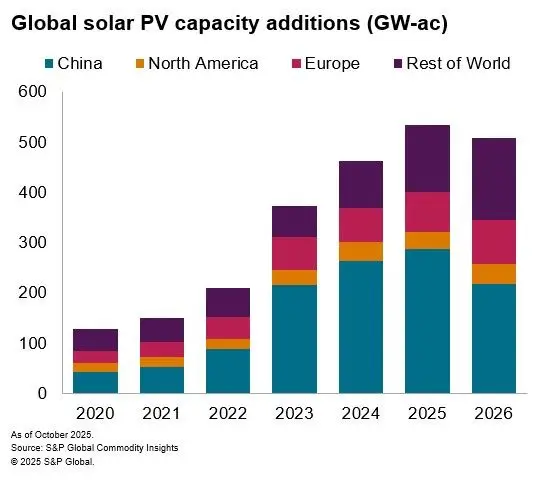
SEG vs Global Models
SEG represents a shift toward market-driven energy systems, unlike fixed-rate incentives in other regions.
Related Links
Quebec’s LogisVert Update: New 2026 Cash Incentives for Solar-Ready Homes
Top 3 Solar Panel Efficiency Breakthroughs You Need to Know in 2025
Expert Perspectives
Energy analysts emphasize the growing importance of decentralized generation. “Solar energy is increasingly becoming a financial asset rather than just an energy source,” said an energy policy expert.
Another analyst noted that rising electricity costs are accelerating participation in schemes like SEG.
FAQs
Do I need to apply separately for SEG?
Yes, enrollment with a supplier is required.
How long does it take to start earning?
Typically four to eight weeks after installation.
Can SEG replace electricity bills entirely?
No, it supplements savings rather than replacing grid usage.
Is SEG income guaranteed?
Payments depend on supplier tariffs and exported energy volume.