Australia’s rooftop solar market is undergoing a significant transformation in 2026, with South Australia (SA) and Victoria (VIC) implementing new rules that require smart inverters and dynamic exports. These changes are reshaping the way homeowners earn from solar, transitioning from fixed payment models to real-time, grid-responsive earnings.
This article explores the technicalities behind these changes and their impact on your solar income, while offering practical advice for homeowners looking to adapt to these regulations.
Smart Inverters & Dynamic Exports
| Key Fact | Detail |
|---|---|
| Mandatory smart inverters | Required for all new systems in SA and VIC |
| Dynamic export model | Replaces fixed export limits with real-time, variable capacity |
| Earnings impact | Potential for higher earnings during peak demand, but less predictable overall |
| Technology requirements | Internet-connected systems capable of communicating with the grid |
What Are Smart Inverters and Dynamic Exports?
The smart inverter and dynamic export systems represent a dramatic shift from passive solar power generation to active, grid-integrated energy systems.
Smart Inverters Defined
Smart inverters are more than just devices that convert solar energy. These advanced units have the ability to:
- Convert solar DC power into usable AC electricity.
- Communicate with the electricity grid in real-time.
- Adjust export levels based on grid demand.
Unlike traditional inverters, which work in isolation, smart inverters enable real-time interaction with the electricity grid, making your solar system an active participant in grid management.
What Are Dynamic Exports?
Dynamic exports refer to the ability of solar systems to adjust the amount of power they send back to the grid based on real-time conditions. This is a shift from the previous model, where a fixed export limit determined how much energy could be sold back to the grid.
- During high demand: Your system can export more power to the grid, increasing your earnings
- During grid congestion: Your export capacity is reduced, lowering your potential income for that period.
Dynamic export systems are designed to support grid stability while optimizing the economic benefits for solar owners.
Why SA and VIC Introduced These Rules
Addressing Grid Congestion and Solar Saturation
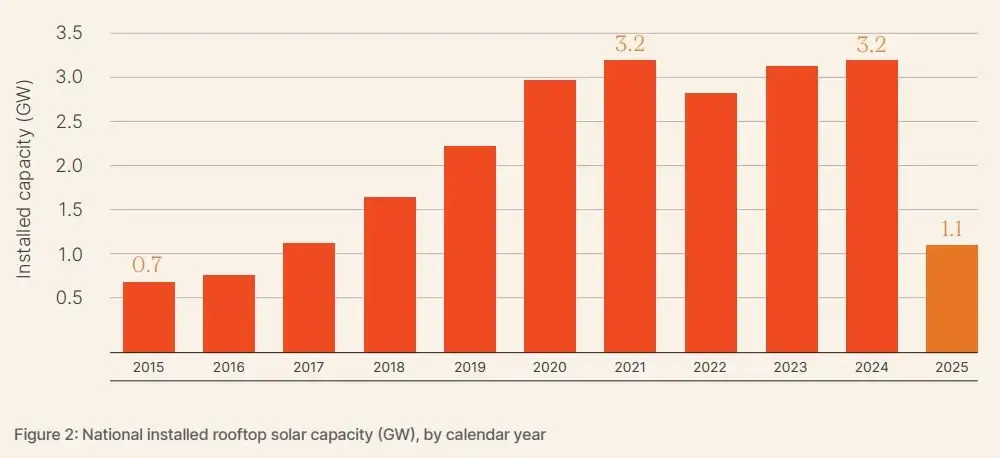
Australia, particularly in states like South Australia and Victoria, has one of the highest penetration rates of rooftop solar in the world. This saturation has led to midday electricity oversupply and grid instability. These issues were identified as barriers to expanding solar energy usage across the country.
Policy Objectives
The primary goals of the new rules include:
- Increasing grid hosting capacity without requiring major infrastructure upgrades.
- Managing the oversupply of solar energy during peak production hours (midday).
- Facilitating more solar system connections, particularly in areas where capacity was previously capped.
The introduction of smart inverters and dynamic export rules offers a solution to these challenges, helping ensure that excess solar energy can be used effectively without overwhelming the grid.
South Australia: Early Adoption of Dynamic Exports
South Australia (SA) was the first state to mandate the use of dynamic export-capable inverters for all new solar systems.
Key Requirements in SA
- All new solar systems must have dynamic export functionality.
- Export limits are now adjustable based on real-time grid conditions.
- The system can either use fixed export limits (e.g., 1.5 kW) or flexible exports (which can go higher when the grid allows).
How This Affects Earnings in SA
The flexible export system has significantly altered the earnings model for solar owners:
- Peak demand periods allow for higher export, leading to higher revenue.
- Off-peak periods or periods of grid congestion may result in lower or no export, reducing potential earnings.
This introduces variability but also offers the opportunity for larger earnings when grid demand is high. However, solar owners will need to monitor grid signals and adjust expectations based on real-time export opportunities.
Victoria: Expanding Dynamic Export Rules
In 2024, Victoria followed South Australia’s lead, introducing similar dynamic export requirements for all new solar systems.
Technical Framework in VIC
- Smart inverter systems must support specific communication protocols, including IEEE 2030.5 and CSIP-AUS standards.
- These standards allow seamless communication between solar systems and grid operators to ensure synchronized operations.
Impact on Solar Earnings in VIC
The main difference in Victoria’s approach is the broader adoption of flexible exports, with more solar systems in urban and rural areas now eligible to participate. As a result:
- More homeowners can sell back excess energy, improving long-term income potential.
- The variable export model now applies to a wider range of locations previously restricted by grid limitations.
How These Changes Impact Your Solar Earnings
Old System vs. New System
| Factor | Old System (Fixed Exports) | New System (Dynamic Exports) |
|---|---|---|
| Export Limit | Fixed (e.g., 1.5 kW) | Variable, real-time adjustments |
| Earnings | Stable, predictable | Fluctuating, potentially higher |
| Grid Interaction | Limited | Active, dynamic |
| Control | Minimal | High, with smart inverter |
Potential Earnings Variability
Under the old model, your feed-in tariff was predictable and capped based on a fixed export rate. With dynamic exports:
- Higher earnings during high demand (peak grid usage).
- Lower earnings during off-peak times or grid congestion.
The Role of Virtual Power Plants (VPPs)
What Is a VPP?
A Virtual Power Plant (VPP) is a system that aggregates multiple distributed energy resources, like rooftop solar panels, into a single network. This network is then used to provide power back to the grid when needed, ensuring stability while enabling participants to earn additional revenue.
Benefits of VPPs:
- Earning opportunities for surplus solar energy.
- Enhanced grid stability.
- Payments for grid support and energy balancing.
Challenges and Risks for Solar Owners
1. Dependency on Internet Connectivity
- Smart inverters need stable internet connections to function optimally. Without connectivity, your system may default to low export levels.
2. Compatibility Issues
- Older inverters may need upgrades to support the new dynamic export standards, leading to additional costs.
3. Unpredictable Earnings
- Earnings are no longer predictable since they depend on real-time grid conditions. Homeowners may face fluctuating income.
Related Links
Lidl vs. Amazon: Comparing the First Batch of Retail Plug-in Solar Kits Available in the UK
Is Plug-in Solar Safe? Understanding the New G98 and BS 7671 Wiring Rules for 2026
Expert Insight: Future of Smart Solar Systems
Industry experts note that smart inverters and dynamic exports will become the norm as Australia moves towards a cleaner, more flexible energy grid. Virtual Power Plants will be key to scaling solar energy use, making active participation in energy markets more feasible.
“The future of solar is no longer just about generation but about active integration with the grid,” said a leading energy analyst.
What Does This Mean for Homeowners?
The implementation of smart inverters and dynamic exports represents a significant evolution in solar technology and regulation. While it introduces increased complexity and variability, it also opens up the potential for higher earnings as grid integration becomes more sophisticated.
Solar owners will need to adjust their expectations, actively monitor grid conditions, and optimize their energy systems to maximize the benefits of these new rules.