A groundbreaking advance in sodium‑ion battery technology has been unveiled by researchers, offering a potential game‑changer for energy storage.
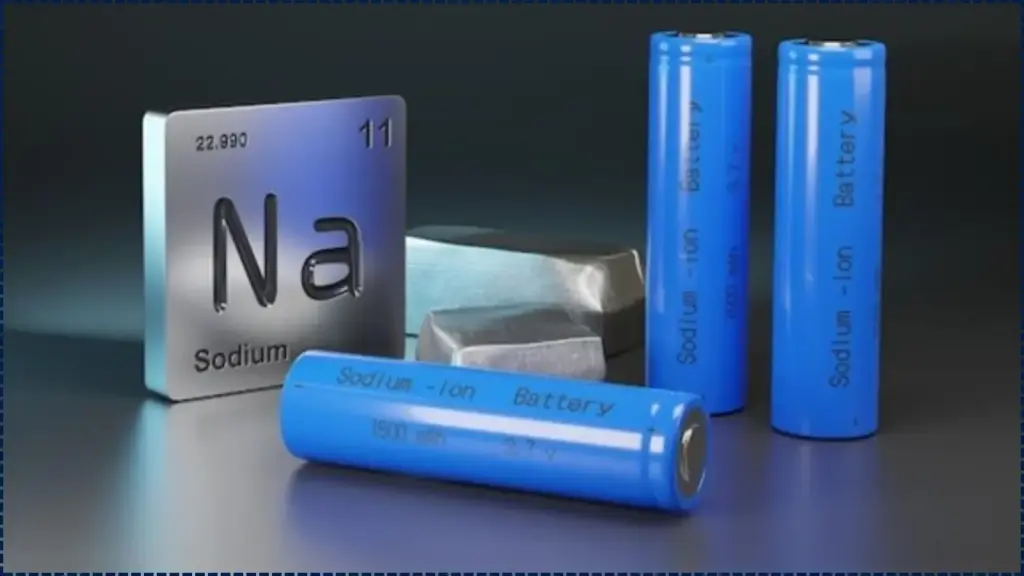
The newly discovered material promises higher energy efficiency, longer life cycles, and reduced costs compared to traditional lithium‑ion batteries, opening the door for more sustainable energy solutions across industries like electric vehicles and renewable energy storage.
Sodium-Ion Battery Research Unveiled
| Key Fact | Detail/Statistic |
|---|---|
| Breakthrough | New sodium‑ion battery material nearly doubles energy storage capacity |
| Efficiency Gain | Breakthrough material stores twice the energy of previous sodium cathodes |
| Stability | Battery maintains stability over 400 charge cycles |
| Potential Applications | Suitable for electric vehicles and grid storage, with eco-friendly benefits |
A Game-Changing Breakthrough in Sodium‑Ion Battery Technology
In a significant leap forward for energy storage research, scientists at the University of Surrey have unveiled a game-changing breakthrough in sodium-ion battery technology. Traditionally overshadowed by lithium-ion batteries, sodium-ion systems have struggled with energy density and efficiency issues that have kept them from becoming a viable alternative for widespread use.
However, recent advancements in material science have dramatically improved the performance of sodium-ion batteries, positioning them as a promising alternative for large-scale energy storage, electric vehicles, and other applications.
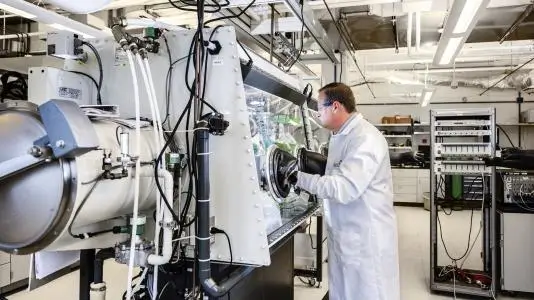
The breakthrough, which involves a novel sodium vanadate hydrate (NVOH) material for the battery’s cathode, offers significant improvements in energy storage and cycle life compared to existing sodium-ion batteries.
This research could have profound implications for industries seeking cost-effective, safer, and more sustainable energy storage solutions.
How Sodium-Ion Batteries Work
Sodium-ion batteries, like their more famous lithium counterparts, rely on the movement of ions between the positive and negative electrodes during charging and discharging. The key difference is that sodium-ion batteries use sodium ions rather than lithium ions to store and release energy.
Sodium, an abundant and inexpensive material, has long been considered a potential alternative to lithium due to its lower cost and greater availability in the Earth’s crust. However, despite its advantages, sodium-ion technology has struggled to compete with lithium-ion batteries in terms of energy density and efficiency.
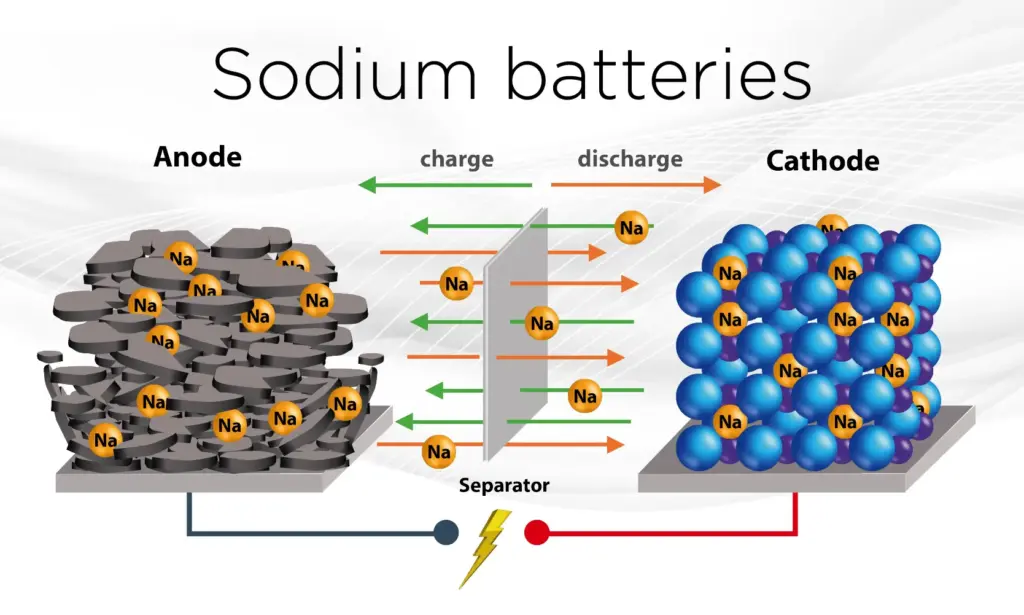
The primary challenge for sodium-ion batteries has been developing materials that can accommodate the larger sodium ions while maintaining a high capacity for storing energy.
The New Sodium Vanadate Hydrate Breakthrough
The breakthrough announced by the University of Surrey’s team focuses on a hydrated sodium vanadate material, which dramatically improves the energy density of sodium-ion batteries. By retaining water molecules within the cathode material, rather than removing them — a common practice in conventional sodium-ion battery designs — the new material provides nearly double the energy storage of previous sodium cathodes.
Lead researcher Dr. Daniel Commandeur explained the discovery, stating, “Sodium vanadium oxide has been known for years, but it was traditionally believed that water within the material would lower its performance. However, our work shows that keeping the water molecules actually enhances the battery’s energy density and stability.”
The breakthrough was achieved by a new nanostructuring technique that allows the hydrated sodium vanadate to remain stable and functional over more than 400 charge-discharge cycles, a critical factor in making these batteries commercially viable.
Why This Breakthrough Matters
The advancements in sodium-ion technology could have far-reaching effects across multiple industries. Below are some of the primary reasons why this development is so significant:
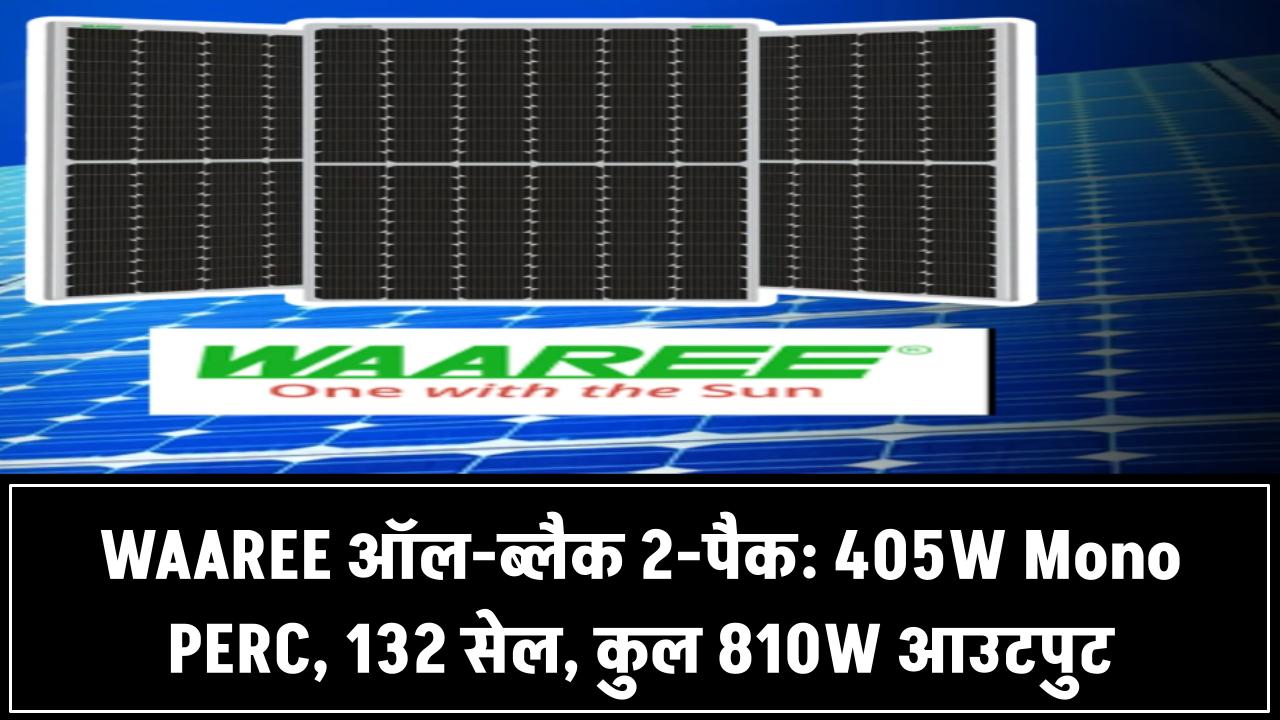
WAAREE ऑल-ब्लैक सोलर पैनल (2 का पैक): 405W Mono PERC, 132 सेल, 45.22V आउटपुट – कुल 810W पावर
1. Improved Energy Density
The new material offers a significant improvement in energy density, making sodium-ion batteries more competitive with traditional lithium-ion systems. This enhanced performance brings sodium-ion technology closer to practical use in applications such as electric vehicles (EVs) and large-scale energy storage systems.
2. Longer Lifespan and Durability
One of the most pressing issues with existing battery technology is the limited number of charge cycles before performance degrades. The new sodium-ion material maintains stability over 400 cycles—a lifespan that is crucial for commercial adoption, especially in applications like EVs, where battery longevity is key to the vehicle’s overall cost-effectiveness.
3. Cost and Sustainability
Sodium is much more abundant and less expensive than lithium, which could significantly lower the cost of producing batteries. With growing concerns about the environmental and geopolitical challenges of lithium mining, sodium-ion batteries offer a more sustainable and reliable alternative.
The increased use of sodium-ion batteries could also reduce the overall environmental impact associated with battery production.
4. Wider Applications
In addition to electric vehicles, sodium-ion batteries could be ideal for grid energy storage. As renewable energy sources like wind and solar power become more prevalent, energy storage systems are needed to balance supply and demand.
Sodium-ion batteries could offer an affordable and efficient solution for storing large amounts of energy at a lower cost than lithium-ion systems.
Sodium-Ion Batteries vs. Lithium-Ion Batteries: A Comparison
While sodium-ion batteries have several advantages, they still have limitations compared to lithium-ion systems. Here’s how the two technologies compare:
| Feature | Sodium-Ion Batteries | Lithium-Ion Batteries |
|---|---|---|
| Energy Density | Lower (but improving) | Higher |
| Raw Material Cost | Low (abundant sodium) | Higher (limited lithium supply) |
| Cycle Life | Up to 400+ cycles | Typically 500-1000 cycles |
| Environmental Impact | Less harmful due to abundant sodium | Mining and disposal concerns |
| Suitability for EVs | Suitable for low-cost, short-range EVs | Ideal for high-range EVs |
Real-World Impact and Future Prospects
The promise of sodium-ion batteries extends beyond just theoretical models. Real-world applications are already being explored by several companies in sectors such as electric vehicles, grid energy storage, and portable electronics.

UP सरकार का बड़ा ऐलान! सिर्फ ₹5,000 टोकन मनी में करें सोलर पंप की बुकिंग, जानें आवेदन प्रक्रिया
- Electric Vehicles (EVs): While sodium-ion batteries may not yet rival lithium-ion in energy density, their cost-effectiveness could make them ideal for budget-friendly electric vehicles that do not require long driving ranges. Car manufacturers like BYD and Porsche have begun investigating sodium-ion technology for potential use in future EV models.
- Grid Storage: Energy storage companies are closely watching the progress of sodium-ion research. The cost-effectiveness of these batteries could make them a powerful tool for storing renewable energy in solar and wind projects, addressing the intermittent nature of these power sources.
- Portable Electronics: As consumer electronics continue to require longer battery life, sodium-ion technology could offer a more sustainable alternative for devices like smartphones and laptops, especially in markets that prioritize affordability over high-end performance.
Collaborative Efforts Driving Sodium-Ion Battery Innovation
This breakthrough is part of a larger global effort to make sodium-ion batteries commercially viable. Leading research universities, government agencies, and private sector companies are increasingly collaborating on developing these technologies.
For example, BYD, one of the largest manufacturers of electric vehicles, is actively working on integrating sodium-ion batteries into its future fleet of budget EVs.
Similarly, Natron Energy has recently partnered with Khosla Ventures to accelerate sodium-ion battery commercialization. These collaborations are vital to pushing the technology from the lab to large-scale production.
Related Links
Beating the Embargo: How Solar Power is Solving Cuba’s Energy Crisis
Tapo C645D Kit: TP-Link’s New Dual-Lens Solar Camera for Maintenance-Free Security
The Role of Government Policies and Regulations
As the world transitions to cleaner energy, government policies play a crucial role in the adoption of alternative energy storage technologies. Many countries, including the U.S., China, and the European Union, have enacted policies that favor the development of alternative battery technologies, including sodium-ion systems.
Incentives for renewable energy integration and energy storage systems will likely provide the necessary boost for sodium-ion batteries to become a mainstream solution.
A New Era for Energy Storage
The game-changing breakthrough in sodium-ion battery research represents a promising leap forward in energy storage technology. By significantly improving the energy density and stability of sodium-ion batteries, this development has the potential to revolutionize industries from electric vehicles to renewable energy storage.
While challenges remain, this new material provides a glimmer of hope for a more sustainable and cost-effective future in energy storage.