
In 2026, electricity prices are on the rise across India, prompting many households and businesses to seek alternatives to grid power. As energy prices soar, the Solar + Battery vs. Grid Power debate between solar + battery systems and traditional grid electricity has intensified.
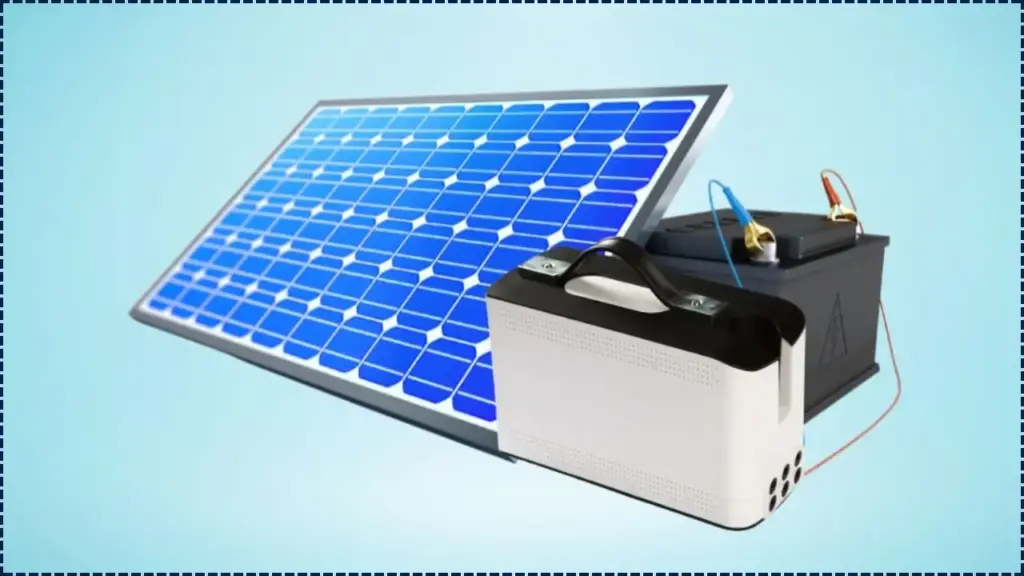
This article delves into the financial, practical, and environmental aspects of both options, shedding light on which one offers maximum savings in the coming decade.
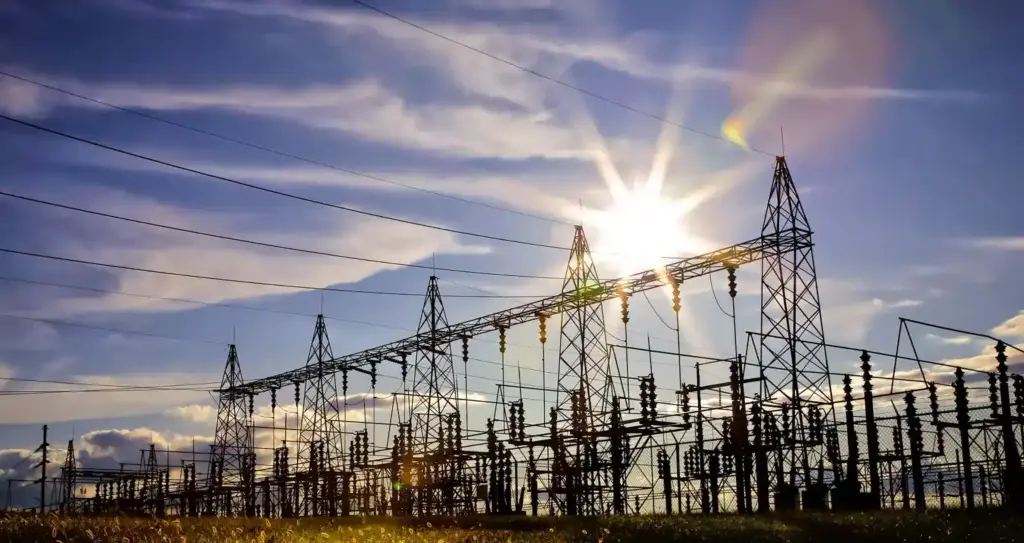
The Rising Cost of Grid Power: Why Tariffs Are Set to Increase
Electricity prices in India have been climbing steadily, and this trend is expected to continue. In 2026, residential electricity rates in major cities like Mumbai, Delhi, and Bangalore range from ₹7 to ₹12 per unit. For commercial users, these rates can soar even higher due to peak-hour tariffs.
According to the Central Electricity Regulatory Commission (CERC), tariffs are expected to increase by 5-7% annually due to rising fuel costs, aging infrastructure, and the need for investment in transmission and distribution networks.
In rural and semi-urban areas, where grid power supply can be erratic or unreliable, electricity costs can also increase due to infrastructure shortages, making off-grid solutions like solar more appealing.
The rising cost of grid electricity is forcing consumers to look for alternatives that can provide energy independence and cost savings over the long term. One such option is solar power with battery storage.
How Solar + Battery Systems Work: A Quick Overview
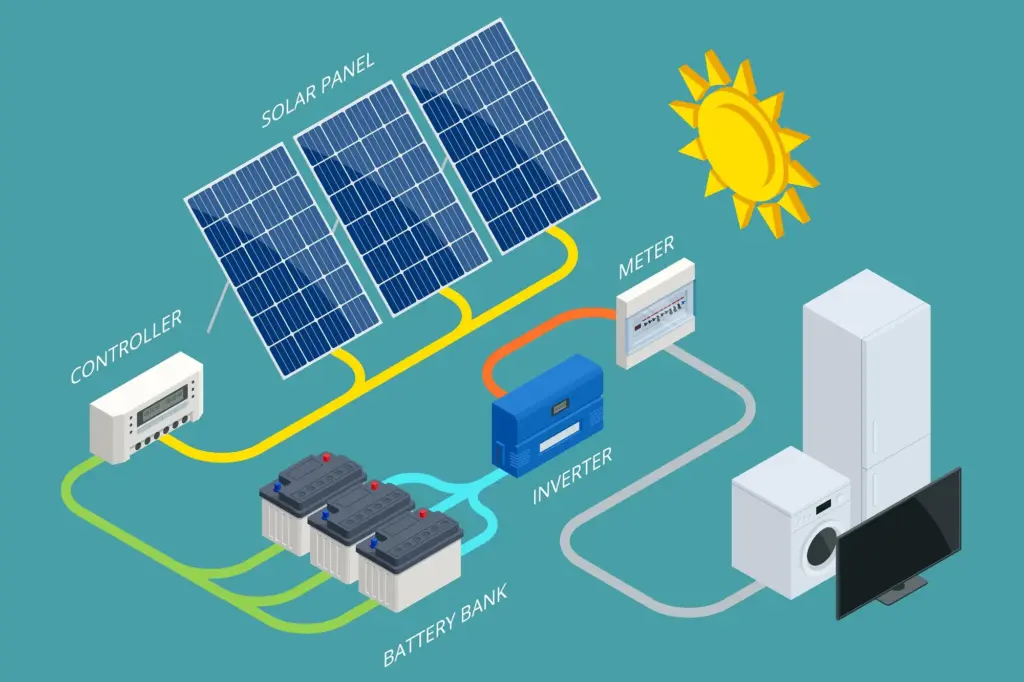
A solar + battery system uses solar panels to generate electricity during the day, which is then stored in batteries for later use. This stored energy can be used at night or during peak demand hours when electricity from the grid is more expensive. Here’s how it works:
- Solar Panels: They generate electricity when exposed to sunlight. The energy produced is typically stored in batteries or fed back into the grid.
- Batteries: These store the surplus energy produced during the day, making it available during the night or cloudy days.
- Grid Power: A backup source when solar generation is insufficient or during periods of high electricity demand.
In areas with high electricity tariffs, having a solar + battery system means using less grid power and reducing reliance on expensive peak-hour electricity. This system offers energy independence while also being environmentally friendly.
Solar + Battery vs. Grid Power: A Comparative Look
Upfront Costs and Financial Considerations
- Grid Power: The cost of grid electricity is an ongoing expense. While the initial investment for grid connection is minimal (for homes already connected), the long-term cost of purchasing electricity can add up over the years. With annual tariff hikes of around 5-7%, grid electricity is becoming increasingly expensive.
- Solar + Battery System: The initial cost of installing a solar + battery system can range from ₹4 lakh to ₹7 lakh for a 5kW system. This includes the cost of solar panels, inverters, and a battery storage system. Government incentives such as the PM KUSUM Scheme and Net Metering policies help lower the initial cost.
While the upfront cost is higher, the savings on monthly electricity bills can offset the investment over time. In fact, after a payback period of 5 to 7 years, a solar + battery system continues to provide free electricity for the remaining lifespan of the system (typically 20+ years).
Long-Term Savings: Solar + Battery vs. Grid Power
Solar + Battery Savings
A 5kW solar + battery system can generate 6,000 to 7,000 kWh annually. This system can save homeowners anywhere between ₹40,000 to ₹60,000 per year, depending on local electricity tariffs and usage patterns. The savings increase over time as grid prices continue to rise. Here’s the long-term breakdown:
- Payback Period: 5–7 years
- Annual Savings: ₹40,000–₹60,000 (depending on consumption and location)
- Total Savings Over 20 Years: ₹8–₹12 lakh
This cost savings also accounts for the battery’s lifespan, which typically lasts 10–12 years before requiring replacement. Even after factoring in battery replacement, solar + battery systems tend to be highly cost-effective over the long run.
Grid Power Savings
With grid power, consumers face the risk of rising tariffs. Over a 20-year period, if grid power tariffs increase at 5-7% annually, households will pay exponentially higher electricity bills. For instance, a family with a monthly electricity bill of ₹4,000 in 2026 might see that bill grow to ₹8,000 to ₹10,000 per month by 2046.
The Return on Investment (ROI)
For those considering solar + battery systems, the return on investment (ROI) is significantly higher than the ongoing costs of grid power. While grid power requires recurring monthly payments with uncertain tariff hikes, solar power locks in savings, especially when paired with battery storage, for long-term reliability.
- Grid Power: Recurring, increasing costs due to tariff hikes
- Solar + Battery: Initial investment but long-term savings with ROI starting after 5-7 years
With the return on investment often coming in as soon as 5 years, consumers are financially better off after that period, with free energy generation for the remainder of the system’s lifespan.
Energy Reliability: Grid Power vs. Solar + Battery
Grid power is generally reliable in urban areas with established infrastructure, but it is often subject to outages and peak-demand fluctuations. For rural and semi-urban consumers, electricity reliability is a significant concern.
Solar + battery systems provide greater reliability, especially in areas with frequent power outages. When the grid is down, solar systems with batteries can continue to supply power to essential appliances, ensuring energy security.
Government Support: Making Solar + Battery More Affordable
The Indian government is actively promoting the adoption of renewable energy through various schemes. Key policies like Net Metering, where excess power generated by solar systems can be fed back into the grid for credits, and Subsidies for solar installation make solar + battery systems more accessible to a broader audience.
In 2026, these incentives are expected to continue, with a target of 50 GW of rooftop solar capacity by 2030, in line with the government’s commitment to net-zero emissions by 2070.
Environmental Impact: Solar + Battery vs. Grid Power
While the financial savings are important, solar + battery systems offer substantial environmental benefits. By using solar energy, households can reduce their carbon footprint significantly. A typical residential solar system can offset 3-4 tonnes of CO2 annually, equivalent to planting approximately 100 trees.
Grid electricity, particularly in countries like India where coal remains a major source of power generation, results in substantial emissions. In contrast, solar energy is a clean, renewable source that aligns with global sustainability goals and reduces reliance on fossil fuels.
The Future of Solar + Battery Systems
As technology improves, solar + battery systems will become even more efficient and affordable. Innovations in battery storage are already reducing the costs of lithium-ion and solid-state batteries, further driving down the overall cost of solar power installations.
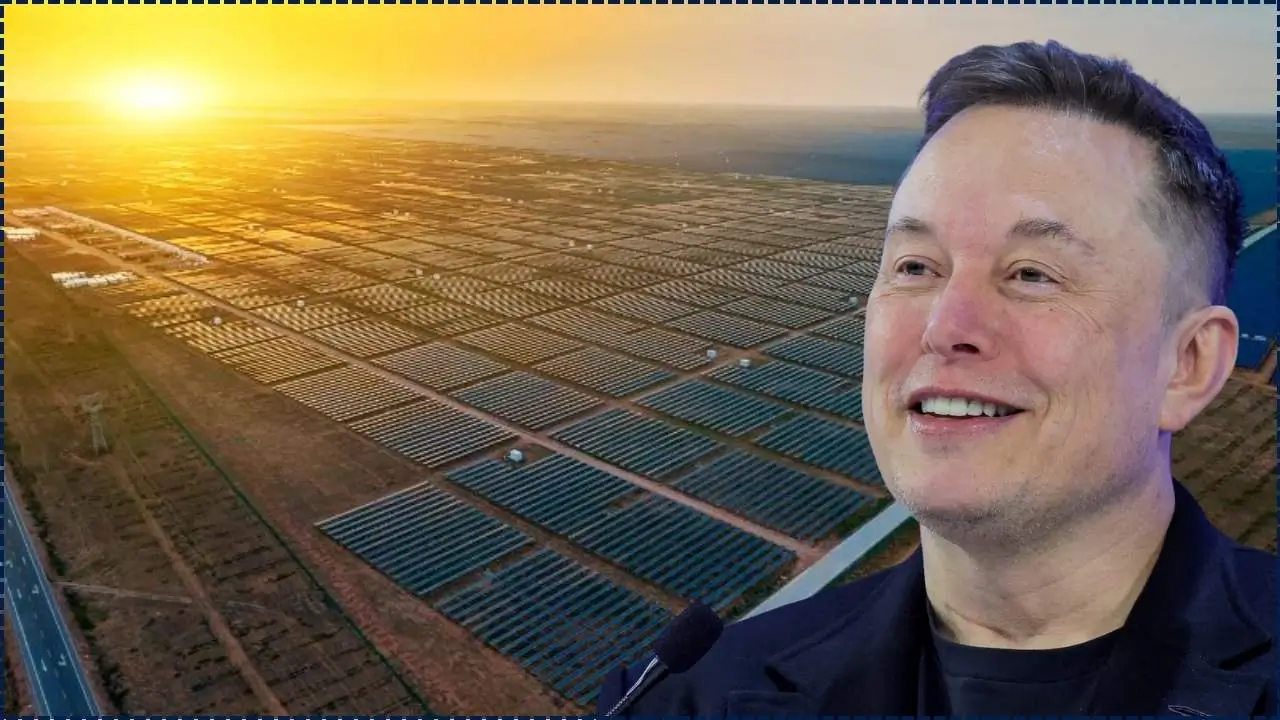
With a global push for net-zero emissions by 2050 and India’s own ambitious renewable energy targets, solar power is poised to play an increasingly vital role in meeting the country’s future energy needs.
Related Links
In 2026, the decision between solar + battery systems and grid power ultimately depends on a consumer’s energy usage, upfront budget, and long-term goals. While grid power might be suitable for some consumers in the short term, solar + battery systems offer far greater financial and environmental benefits in the long run.
For those looking for energy independence and long-term savings, solar + battery systems provide the best return on investment, ensuring not only lower energy bills but also contributing to a more sustainable and reliable energy future.
FAQs
Q1: How much can I save with a solar + battery system?
A1: On average, homeowners can save ₹40,000–₹60,000 annually on their electricity bills, depending on energy usage and local tariffs.
Q2: Are solar + battery systems worth the upfront cost?
A2: Yes, after a typical payback period of 5-7 years, solar + battery systems provide free electricity for the rest of their 20+ year lifespan, resulting in significant long-term savings.
Q3: What are the environmental benefits of switching to solar?
A3: Solar systems can reduce CO2 emissions by 3-4 tonnes annually, helping combat climate change and contribute to global sustainability efforts.