

In an unprecedented breakthrough in environmental science, researchers have developed a solar biohybrid system capable of removing up to 94% of uranium from contaminated water. This innovative technology combines solar energy, bacteria, and nanoparticles to offer a new, low-energy, and efficient solution for purifying nuclear‑tainted water, a persistent problem in many regions globally.
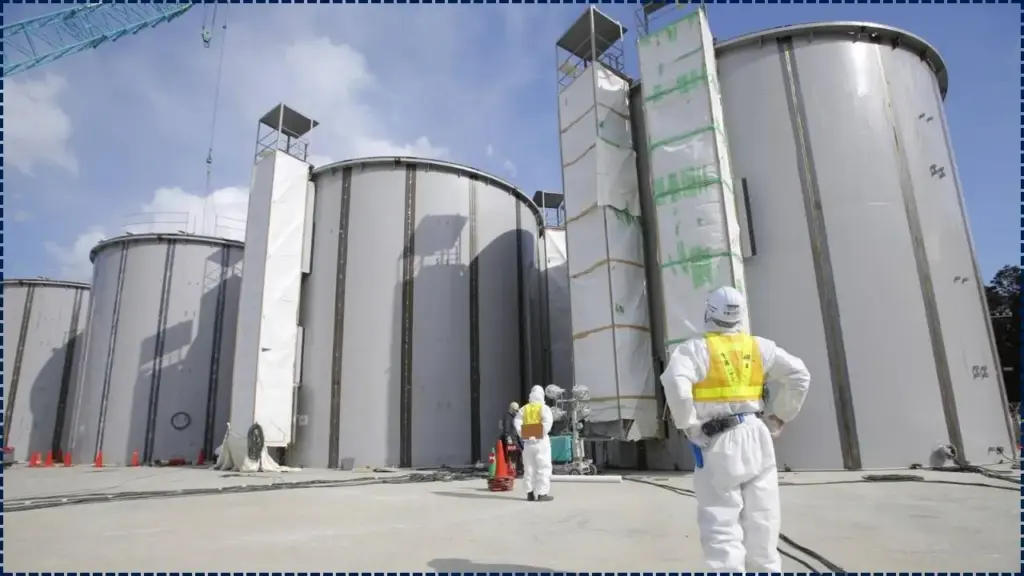
The technology’s dual reliance on biological processes and renewable solar energy makes it a cost-effective and environmentally sustainable alternative to traditional methods of water purification.
It also has far-reaching implications for addressing the urgent need to clean up nuclear contamination from mining sites, wastewater from nuclear power plants, and contaminated groundwater in the wake of environmental disasters.
What Are Solar Biohybrids?
A solar biohybrid system integrates biological organisms, such as bacteria, with non‑biological materials, like nanomaterials or nanoparticles, to enhance performance in specific tasks. In this case, the bacterium Shewanella putrefaciens was engineered to work in tandem with ferrous sulfide (FeS) nanoparticles that serve as solar energy collectors.
These nanoparticles not only absorb light but also generate electrons when exposed to sunlight, facilitating uranium reduction from a soluble form into a less mobile, insoluble one.
The bacterium accelerates the reduction process, while the nanoparticles provide the necessary electron transfer to break down uranium ions in the water, effectively removing them from the solution. This synergy between biological and inorganic elements allows for more efficient and sustainable uranium removal than current biological methods alone.
How Does the Solar Biohybrid System Work?
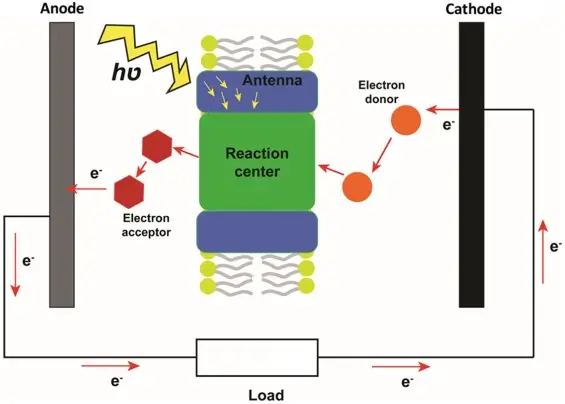
The solar biohybrid system works by combining light absorption and electron transfer. When the FeS nanoparticles are exposed to sunlight, they generate photoelectrons that reduce the uranium ions in the contaminated water.
The uranium undergoes a chemical transformation, from its soluble hexavalent state to a less toxic tetravalent state, which is insoluble and precipitates out of the water. Simultaneously, the bacteria absorb some of the photoelectrons, enhancing their metabolic activity and enabling them to produce additional electrons to further aid in the uranium reduction process.
This combination of photocatalytic activity and microbial metabolism ensures that the system operates efficiently with minimal external energy input, relying primarily on solar energy to drive the cleanup.
Efficiency Breakthrough: 94% Uranium Removal
The newly developed solar biohybrid system has demonstrated 94% efficiency in removing uranium from contaminated water samples. This is a remarkable improvement compared to traditional biological systems, which typically achieved uranium removal rates of 48%.
The solar biohybrid technology has outperformed both conventional biological methods and other physicochemical techniques that require high energy inputs. In addition to its high efficiency, the system offers a major advantage in terms of cost-effectiveness and energy sustainability.
By utilizing solar energy, which is abundant and free, the system avoids the high operating costs of traditional treatments that rely on external energy sources. Researchers believe this innovation could have far-reaching implications for large-scale applications in water treatment.
Why Uranium Contamination is a Global Concern
Uranium contamination is a pressing environmental issue in regions with uranium mining operations, nuclear reactors, or nuclear waste storage sites. Uranium in its soluble form can seep into groundwater and surface water, posing serious risks to human health and the environment.
Chronic exposure to uranium has been linked to kidney damage, cancer, and radiation poisoning. Traditional methods of treating uranium‑contaminated water, such as chemical precipitation or adsorption using activated carbon, are often energy-intensive, produce secondary waste, and are not always effective over time.

The new biohybrid system provides a low-energy, sustainable, and highly efficient alternative to these conventional methods, particularly in remote areas where access to resources is limited.
The Role of Solar Biohybrids in Environmental Cleanup
The solar biohybrid system is not just limited to treating uranium. The biohybrid model can potentially be expanded to treat other heavy metals, including lead, mercury, and cadmium, which are commonly found in industrial wastewater.
This opens up possibilities for the system to be used in broader environmental remediation efforts, beyond uranium contamination. Furthermore, the system’s ability to use solar energy means it could be deployed in remote regions or off-grid locations, where conventional treatment methods are either too costly or impractical.
The self‑regenerating nature of the biohybrids also means that once the system is set up, it requires little intervention, making it a sustainable long-term solution.
Expert Opinions on Solar Biohybrids
Researchers working on the solar biohybrid system are optimistic about its future applications in environmental cleanup. Dr. Yi Zhang, one of the leading researchers at Fudan University, described the technology’s potential:
“This innovation represents a significant leap forward in the treatment of contaminated water. By combining bacteria with nanoparticles and solar energy, we have created a system that is not only highly efficient but also sustainable and cost-effective. It could revolutionize how we approach the cleanup of uranium and other heavy metals from water resources.”
Cost-Benefit Analysis: The Economic Advantages
The economic benefits of this solar biohybrid system are clear. Traditional methods of treating uranium‑contaminated water can be costly, requiring expensive chemicals, energy, and large infrastructure. In contrast, solar biohybrids rely on abundant solar energy and biological processes, which significantly reduce operational costs.
Moreover, the system’s ability to self-regenerate and reduce uranium levels over time further enhances its cost-effectiveness, particularly in remote areas where access to traditional treatment technologies is limited.
The scalability of this system also adds to its economic appeal. As the technology matures, it could be applied to both small-scale operations and large industrial projects, providing a viable solution for the nuclear industry, mining companies, and wastewater treatment facilities seeking more sustainable ways to manage uranium and other pollutants.

Solar Panel खरीदने जा रहे हैं? तो ये 5 टिप्स ज़रूर जान लें, वरना बाद में पछताना पड़ सकता है!
Challenges and Future Directions
While the solar biohybrid system has shown great promise in laboratory tests, there are still challenges to scaling it for real-world applications. The longevity of the system in continuously operating conditions, especially in harsh climates, is still being evaluated.
Additionally, issues such as scaling up the system for large‑scale industrial use and ensuring the safe handling of precipitated uranium are areas of active research.

Researchers are also looking at how this biohybrid technology can be adapted to treat other contaminants, including radionuclides and organic pollutants, expanding its potential applications.
Related Links
Charge Your Car for Free! How Much Does a Home Solar EV Charging Setup Cost in 2026?
Solar Biohybrids in Global Water Remediation
The solar biohybrid system represents a game-changing solution for tackling one of the world’s most pressing environmental problems. As researchers continue to refine and scale this technology, it could become a standard method for cleaning contaminated water, especially in areas where uranium mining and nuclear waste disposal are common.
With the continued push toward net-zero emissions and sustainable environmental practices, technologies like solar biohybrids will play a crucial role in shaping a cleaner, greener future for water purification worldwide.
FAQs
Q: How does solar energy improve the efficiency of uranium removal in the biohybrid system?
A: Solar energy is harnessed by FeS nanoparticles to produce photoelectrons, which enhance the reduction of uranium ions in contaminated water, making the process much more efficient than traditional methods.
Q: Can solar biohybrids be used for other pollutants besides uranium?
A: Yes, the biohybrid system can be adapted to treat a wide range of contaminants, including heavy metals like lead and mercury, and potentially radionuclides and other organic pollutants.