
In rural India, where grid electricity is often unavailable or unreliable, Tiny ‘Solar Dome’ Brings Brightness, a small, solar-powered lighting system, is providing much-needed illumination.
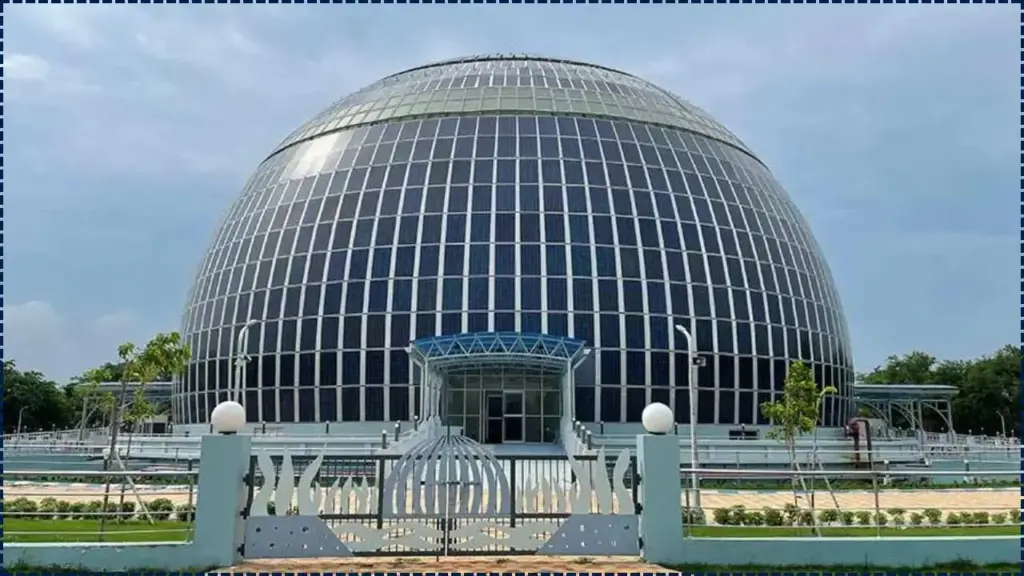
By harnessing solar energy, this affordable, easy-to-install device helps off-grid homes reduce reliance on kerosene and candles, offering a cleaner, more sustainable solution to lighting and extending productive hours after dark.
The Energy Access Challenge in India
India has made considerable progress toward electrification, with government schemes like Saubhagya expanding grid access. Yet millions of homes, especially in remote villages, still face unreliable or no access to electricity.
According to the International Energy Agency (IEA), over 300 million people in India still live without regular access to electricity, and even more experience frequent outages and voltage fluctuations.
The lack of stable electricity directly impacts daily life, limiting opportunities for education, productivity, and business. In rural areas, kerosene lamps, firewood, and candles remain primary sources of light. These alternatives are not only costly but also hazardous to health and the environment.
The World Bank and United Nations have called for more affordable and accessible off-grid solutions to help close the energy access gap. Here, Tiny ‘Solar Dome’ Brings Brightness emerges as a sustainable and practical solution, reducing both environmental impact and financial strain.
What Is Tiny ‘Solar Dome’ Brings Brightness?
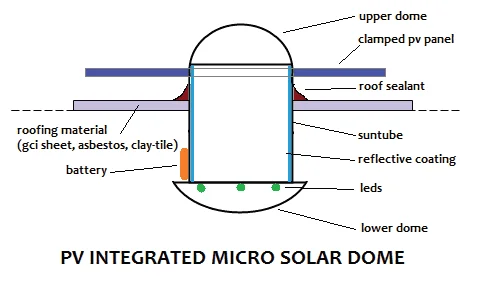
Tiny ‘Solar Dome’ Brings Brightness refers to a small solar-powered lighting system designed for off-grid homes. This device captures sunlight through a transparent dome installed on rooftops, which is then channeled into a reflective tube that illuminates interiors.
The system includes a small photovoltaic panel, a battery for storage, and energy-efficient LED lights to provide power during the night.
The Micro Solar Dome (as it is also called) is a cost-effective solution for households that do not have access to the grid, offering lighting without the need for expensive infrastructure. The system typically provides several hours of light in the evening after storing solar energy during the day.
Unlike traditional solar lanterns, which are portable, Tiny ‘Solar Dome’ Brings Brightness is integrated into the household’s structure, providing a more sustainable and long-lasting solution for rural homes. It is designed to be simple, requiring minimal maintenance, and can be easily installed by local technicians.
How Does Tiny ‘Solar Dome’ Brings Brightness Work?
Tiny ‘Solar Dome’ Brings Brightness operates in three key steps:
- Daytime Solar Collection: The solar dome captures sunlight, which is then reflected down a light tube that directs the light into the home. This provides natural lighting during the day.
- Solar Power Generation: A small solar panel installed on the roof charges a battery during daylight hours, storing energy for use at night.
- Nighttime Illumination: When night falls, the stored energy powers LED lights, providing enough brightness for basic household tasks such as reading, cooking, and studying.
In many cases, the system can also be used to charge small electronic devices, such as mobile phones, which further enhances its utility.
Why Tiny ‘Solar Dome’ Brings Brightness Is a Game-Changer for Off-Grid Households
Cost Savings and Affordability
One of the most immediate benefits of Tiny ‘Solar Dome’ Brings Brightness is its ability to reduce household expenses. Families in off-grid regions often spend a significant portion of their income on kerosene for lighting.
According to a study by The Better India, the average rural household spends ₹150–₹300 per month on kerosene, which can be a substantial burden on low-income families. By replacing kerosene lamps with solar-powered lighting, Tiny ‘Solar Dome’ Brings Brightness helps families save money that would otherwise go toward fuel.
After the initial installation, the operational costs of maintaining the system are minimal. The savings are especially significant in the long run, as the device lasts for many years with minimal maintenance, unlike disposable batteries or fuel that need to be bought frequently.
Health and Environmental Benefits
Kerosene lamps emit harmful pollutants that can cause respiratory problems and indoor air pollution. These pollutants are linked to various health issues, including lung infections, asthma, and other chronic diseases, particularly in poorly ventilated homes.
Switching to solar-powered lighting eliminates these risks. Solar-powered systems like Tiny ‘Solar Dome’ Brings Brightness use no fossil fuels, reducing harmful emissions and contributing to a cleaner, healthier environment.
Additionally, they provide a much-needed solution to the growing problem of indoor air pollution, which is responsible for millions of premature deaths globally, especially in developing countries like India.
Education and Productivity
In areas without reliable electricity, children often struggle to study at night due to inadequate lighting. A 2019 report from the International Energy Agency (IEA) found that children in off-grid homes are less likely to engage in education after dark, limiting their academic performance and future prospects.
With Tiny ‘Solar Dome’ Brings Brightness providing a consistent and clean light source, children can extend study hours, improving their learning outcomes. Additionally, the availability of light enables adults to engage in productive activities like weaving, crafting, or small-scale businesses after dark. This extended workday helps increase income and stability in rural households.
The Growing Adoption of Solar Solutions
Field Results and Success Stories
Pilot projects and case studies from rural India have highlighted the profound impact of solar dome systems. In Uttar Pradesh, for example, a pilot project saw a 40% reduction in household energy costs for families using the Micro Solar Dome compared to those relying on traditional kerosene lamps.
Similarly, in Tamil Nadu, households using the system reported increased evening productivity, with many small business owners noting improved sales due to the ability to operate longer hours.
In urban slums like those in Delhi, where grid power is erratic, residents using Tiny ‘Solar Dome’ Brings Brightness reported significant improvements in both lighting and safety. By reducing the reliance on dangerous kerosene lamps and candles, households experienced fewer fire accidents and a better quality of life.
Expanding Access Through Policy and Financing
Government policies are increasingly supporting off-grid solar solutions. The Ministry of New and Renewable Energy (MNRE) has developed financial schemes to support solar adoption in off-grid areas, such as the KUSUM Scheme, which aims to promote solar installations for agricultural and residential use in rural regions.
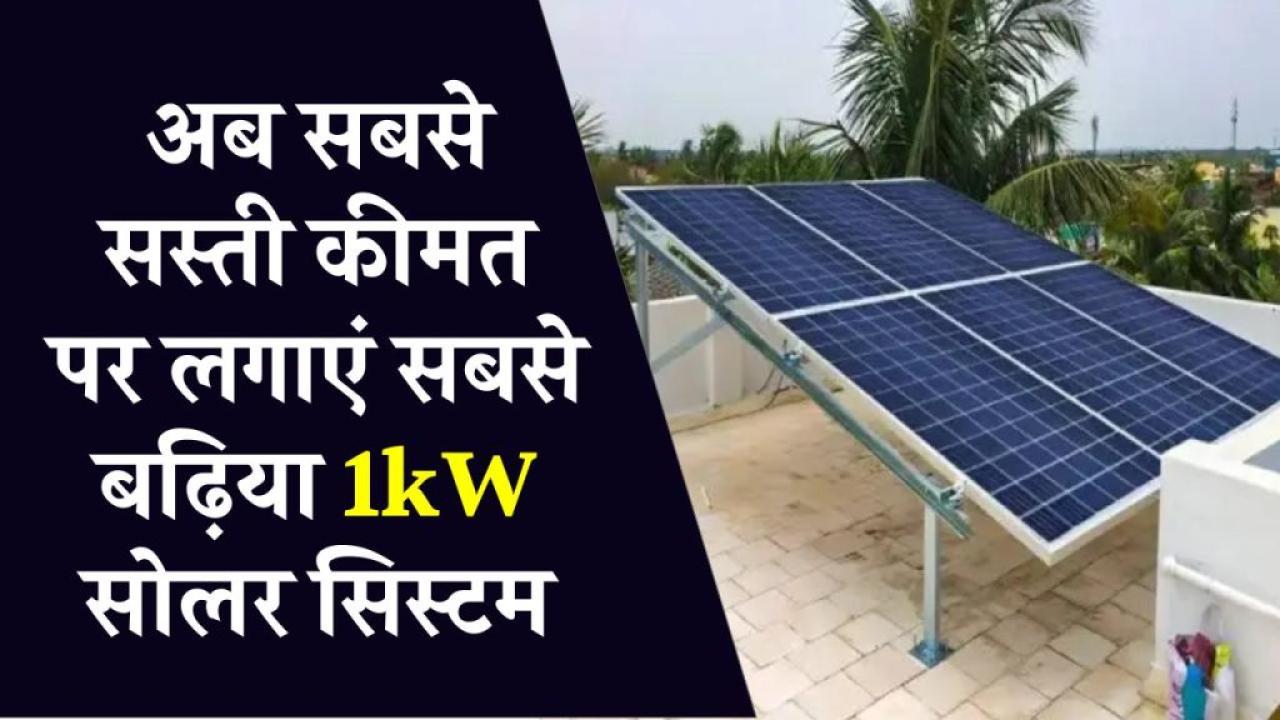
Micro-financing and pay-as-you-go models have also played a key role in making solar solutions like Tiny ‘Solar Dome’ Brings Brightness accessible to low-income households. By allowing families to pay for the system over time, these models lower the initial financial barrier and make the technology more affordable.
Limitations and Challenges
Despite the growing adoption of solar lighting systems, there are some challenges to scaling up these technologies:
- High Initial Costs: While the operational costs are low, the upfront cost of installing Tiny ‘Solar Dome’ Brings Brightness can still be a significant barrier for some households, especially in the most remote areas.
- Maintenance and Support: The systems require basic maintenance, such as cleaning the solar panels and replacing batteries. In areas without access to trained technicians, regular upkeep can be a challenge.
- Limited Power Output: While Tiny ‘Solar Dome’ Brings Brightness provides sufficient light for basic activities, it cannot power larger appliances like refrigerators or fans. It is not a complete replacement for grid electricity but rather a complementary solution for lighting.
Nevertheless, these challenges are being addressed through improved financing options, technical training for local communities, and growing awareness of the benefits of solar energy.
Related Links
Do Solar Panels Make Your Roof Hot? The Surprising Truth About Solar Tech in Winter
The Path Forward: Scaling Up Access
To fully unlock the potential of Tiny ‘Solar Dome’ Brings Brightness systems and similar off-grid solutions, several steps need to be taken:
- Increasing Subsidies and Financial Support: More government subsidies and financial support for solar installation in rural areas could make systems like Tiny ‘Solar Dome’ Brings Brightness more accessible to low-income households.
- Building Local Capacity: Training local technicians to install and maintain solar lighting systems will help ensure that off-grid communities can continue to benefit from these technologies over the long term.
- Integrating Solar with Other Services: By combining lighting with additional solar services, such as water pumps or mobile charging stations, these technologies can contribute to broader rural development goals.
The future of solar lighting for off-grid communities looks promising, with continuous technological advancements, decreasing costs, and strong policy support.
Tiny ‘Solar Dome’ Brings Brightness is a small but powerful innovation that brings much-needed light to off-grid homes, offering a cleaner, safer, and more sustainable alternative to kerosene lamps.
By reducing energy costs, improving health, and extending productive hours, this simple solar solution is transforming lives in rural India. While challenges remain, the continued adoption of solar-powered lighting offers a clear path toward achieving energy equity and supporting rural development.