
The Solar Financing 2026, comparing green loans and mortgage redraws, has become central to solar financing decisions in 2026 as households adopt rooftop solar systems.
While both options reduce upfront costs, they differ significantly in total repayment, risk exposure, and return on investment, making the choice critical for long-term savings.
Solar Financing 2026
| Key Factor | Green Loans | Mortgage Redraw |
|---|---|---|
| Monthly Cost | Higher | Lower |
| Total Cost | Lower | Higher |
| Tenure | Short (3–7 years) | Long (15–25 years) |
| ROI Alignment | Strong | Weak |
| Risk Exposure | Moderate | Higher |
The PSolar Financing 2026, green loans versus mortgage redraws, highlights a fundamental financial decision in solar adoption. While mortgage redraws offer short-term affordability, green loans typically deliver stronger long-term savings and better alignment with solar system returns.
As solar adoption accelerates, informed financing decisions will play a critical role in maximizing both economic and environmental benefits.
Solar Financing 2026: Why Solar Financing Matters in 2026
The Solar Financing 2026, green loans versus mortgage redraws, reflects a broader shift in how solar adoption is financed rather than purchased outright. Energy economists note that financing is now the “gateway decision” in solar adoption.
The right financing method can significantly alter total savings, sometimes by thousands of dollars over a system’s lifetime. As electricity costs continue to rise globally, solar systems are increasingly viewed as long-term financial assets rather than simple energy solutions.
Understanding Green Loans
Structure and Financial Design
Green loans are purpose-built for environmentally sustainable investments. These loans typically:
- Offer fixed repayment schedules
- Align with solar system lifespan
- Integrate subsidies and tax benefits
Banks and financial institutions often promote them as part of climate-focused lending portfolios.
Why They Work Financially
Green loans are structured to match the solar payback window, typically 4–6 years. This alignment ensures that:
- Loan repayment ends as savings begin to compound.
- Interest costs remain limited.
- Financial benefits are realized sooner.
Understanding Mortgage Redraw Financing
How It Works
Mortgage redraw allows homeowners to borrow against existing home equity. This option:
- Offers lower interest rates.
- Spreads payments over long durations.
- Reduces immediate financial burden.
Hidden Financial Dynamics
While interest rates may be lower, the extended repayment period introduces a key issue: interest compounding over time, which increases total repayment.
Financial Comparison: The Core Trade-Off
Monthly Affordability vs Total Savings
- Green loans prioritize long-term savings.
- Mortgage redraws prioritize short-term affordability.
Financial planners emphasize that this trade-off defines the decision.
Break-Even and ROI Timeline Analysis
Green Loan Scenario
- Break-even: 4–6 years.
- Profit period: Begins immediately after loan closure.
- Lifetime savings: Higher.
Mortgage Redraw Scenario
- Break-even: 8–12 years (or longer).
- Profit period delayed due to extended repayments.
- Lifetime savings reduced.
This mismatch between loan tenure and solar lifespan reduces financial efficiency.
Impact of Inflation and Rising Electricity Prices
Electricity prices have shown consistent upward trends globally. Analysts project continued increases due to:
- Energy demand growth.
- Grid infrastructure costs.
- Fossil fuel price volatility.
Solar systems hedge against this inflation. However:
- Green loans maximize this benefit early.
- Mortgage redraws delay full savings realization.
Behavioral Economics: Why Buyers Choose Differently
Despite higher total costs, many homeowners choose mortgage redraws.
Why?
- Lower monthly payments feel more manageable.
- Long-term costs are often underestimated.
- Psychological preference for cash flow flexibility.
Behavioral economists call this “present bias,” where immediate affordability outweighs long-term savings.
Banking and Lender Perspective
Financial institutions view these options differently:
Green Loans
- Lower risk due to shorter tenure.
- Predictable repayment structure.
- Growing demand due to sustainability goals.
Mortgage Redraws
- Lower perceived risk due to property backing.
- Longer revenue stream for lenders.
- Integrated within existing loan systems.
Banks may indirectly benefit more from longer-tenure products.
Tax and Accounting Considerations
In some regions, solar financing may offer:
- Tax credits.
- Depreciation benefits (for business users).
- Property value appreciation/
Green loans are often better aligned with these benefits due to clearer loan classification. Mortgage redraws, being general-purpose borrowing, may not provide the same clarity for tax treatment.
Environmental and Economic Impact
Economic Benefits
- Lower electricity bills.
- Protection against price volatility.
- Increased property value.
Environmental Impact
- Reduced carbon emissions.
- Lower grid dependency.
- Contribution to renewable energy targets.
Solar adoption is increasingly linked to both financial and environmental returns.
Risk Analysis
Green Loans
- Higher monthly commitment.
- Credit eligibility requirements.
Mortgage Redraws
- Long-term interest exposure.
- Reduced borrowing flexibility.
- Risk of over-leveraging property.
Financial advisors recommend evaluating both financial and lifestyle risks.
Decision Framework: Solar Financing 2026 Choose
Choose Green Loans If:
- You prioritize long-term savings.
- You want faster return on investment.
- You prefer structured repayment.
Choose Mortgage Redraw If:
- You need lower monthly payments.
- You have strong home equity.
- You prioritize short-term cash flow.
Expert Perspectives
A renewable energy finance expert stated that “aligning loan tenure with asset life is critical to maximizing financial returns.”
Meanwhile, mortgage advisors emphasize flexibility, noting that “cash flow stability often drives real-world decisions more than theoretical savings.”
Global Context: Growth of Green Financing
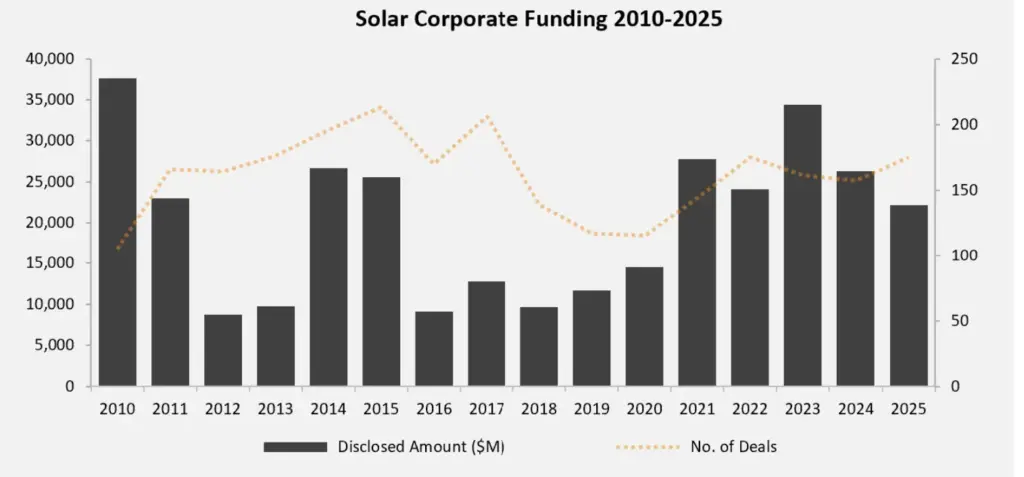
Green financing is expanding rapidly worldwide, driven by:
- Climate commitments.
- Sustainable banking initiatives.
- Policy incentives.
However, adoption varies depending on financial literacy and regulatory frameworks.
Related Links
perovskite Solar Cells Explained: What They Are and Why They Could Revolutionize Solar Energy
The 40% Solar Mandate: Why Every New UK Roof is About to Change in 2026
Future Outlook
Solar financing is expected to evolve through:
- Lower-cost green lending products.
- Integrated financing platforms.
- Increased government support.
Experts suggest that financing innovation will be a key driver of solar adoption in the coming decade.
FAQs
Which option saves more money?
Green loans generally result in lower total repayment costs.
Which option is easier to manage monthly?
Mortgage redraws typically offer lower monthly payments.
Does solar financing still make sense in 2026?
Yes, due to rising electricity costs and improving solar efficiency.
What is the biggest mistake buyers make?
Focusing only on EMI instead of total cost.