

The Solar for All initiative, a major federal clean-energy program launched under the Biden-Harris administration, aims to expand solar power access to low-income households across the United States.
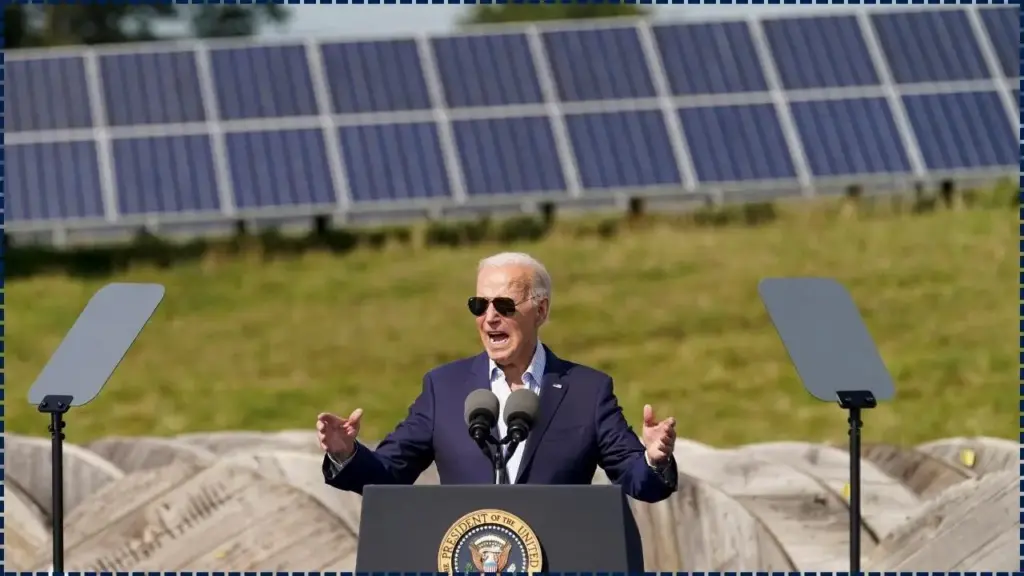
Backed by $7 billion in federal funding, the program is designed to reduce electricity costs, support community solar projects, and address energy inequality in disadvantaged communities.
The “Solar for All” Initiative
| Key Fact | Detail |
|---|---|
| Federal investment | $7 billion allocated for solar access programs |
| Target households | Up to 900,000 homes could benefit |
| Annual savings | Estimated $350 million in electricity cost savings |
| Emissions reduction | Up to 30 million metric tons of carbon pollution avoided |
Understanding the Solar for All Initiative
The Solar for All initiative was created through the Greenhouse Gas Reduction Fund, a program established under the Inflation Reduction Act of 2022, one of the largest climate investment laws in U.S. history.
The initiative is administered by the U.S. Environmental Protection Agency (EPA) and provides grants to states, tribal governments, and nonprofit organizations to develop solar programs targeting disadvantaged communities.
Federal officials say the program’s goal is to make solar energy accessible to households that historically could not afford installation costs.
“Solar for All will allow families in low-income and disadvantaged communities to benefit from lower electricity bills and cleaner air,” the EPA said in its official announcement.
Why Low-Income Communities Were Targeted
Historically, solar energy adoption in the United States has been concentrated among middle- and higher-income households.
The initial cost of installing rooftop solar panels can range from $15,000 to $25,000 before incentives, according to industry estimates. Even with federal tax credits, many households struggle to afford the upfront investment.
Energy policy researchers say this disparity contributes to a broader issue known as energy burden—the percentage of household income spent on energy bills.
According to analysis from the U.S. Department of the Treasury, low-income households often spend three times more of their income on energy costs compared with wealthier households.
“Programs like Solar for All are designed to reduce that burden and bring the benefits of clean energy to communities that need them most,” said energy policy analyst Dr. Daniel Kammen of the University of California, Berkeley.
How the Solar for All Initiative Works
The program distributes federal funding through competitive grants awarded to state agencies, tribes, and nonprofit organizations. In April 2024, the EPA announced 60 grant recipients nationwide, including:
- 49 state-level solar programs
- Six tribal government initiatives
- Five regional or national nonprofit programs
These organizations use federal funding to develop solar projects tailored to local communities. Supported projects include:
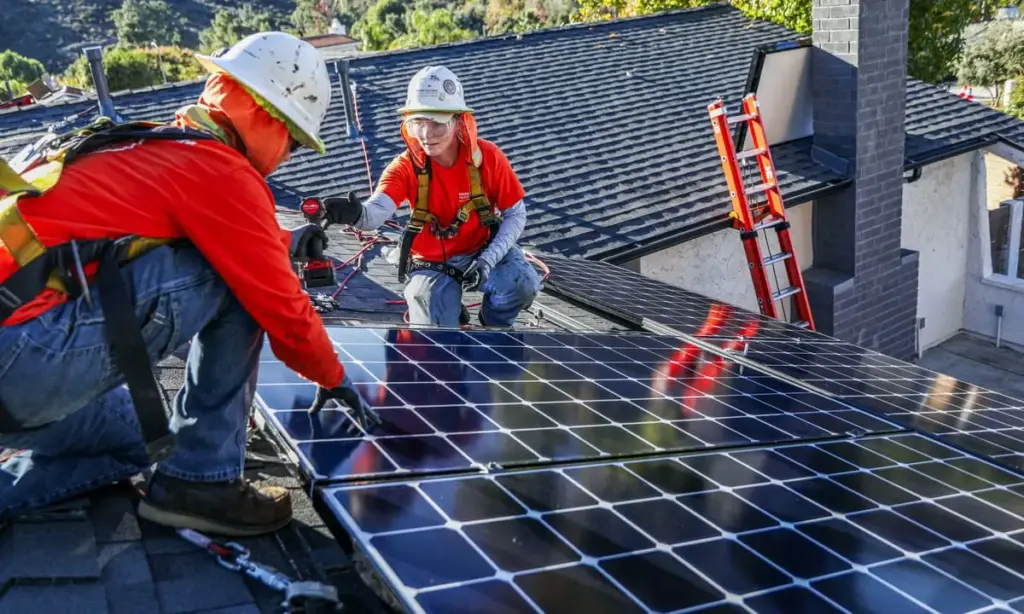
- Rooftop solar installations for affordable housing
- Community solar programs serving renters and multi-family housing residents
- Battery storage installations improving grid resilience
- Workforce training programs in renewable energy industries
Community Solar: Expanding Access Beyond Rooftops
One of the central components of the Solar for All initiative is the expansion of community solar programs. Community solar allows multiple households to subscribe to a shared solar installation instead of installing panels on their own homes. This model is particularly beneficial for:
- Renters who cannot modify their housing
- Apartment residents without roof access
- Homes unsuitable for rooftop solar installations
Under many community solar programs funded through Solar for All, households receive credits on their electricity bills for the solar energy produced by their share of the installation. Energy experts say community solar could significantly expand access to renewable energy in urban areas.
On Earth Day, President Biden is announcing $7 billion in awards to help deliver solar power to over 900,000 households in low-income and disadvantaged communities across the country – giving Americans more breathing room and cleaner breathing room. pic.twitter.com/BwtzBNoQxS
— The White House 46 Archived (@WhiteHouse46) April 22, 2024

Expected Economic Benefits
Federal officials estimate that the Solar for All initiative could generate more than $350 million in annual electricity savings for participating households. The program also aims to install approximately four gigawatts of solar capacity across disadvantaged communities.
In addition to reducing energy costs, the initiative is expected to support job creation in the renewable energy sector. The Solar Energy Industries Association (SEIA) reports that the U.S. solar industry already supports hundreds of thousands of jobs nationwide.
Workforce development programs funded through Solar for All may help expand employment opportunities in solar installation, maintenance, and engineering.
Environmental Impact
The Solar for All initiative is also part of a broader strategy to reduce greenhouse gas emissions and accelerate the transition to renewable energy. Federal estimates suggest that projects funded through the program could prevent around 30 million metric tons of carbon emissions over time.
That reduction is comparable to removing millions of gasoline-powered vehicles from the road for a year. Environmental advocates say expanding solar energy in disadvantaged communities can also improve air quality and public health.
State and Local Implementation
Solar for All grants were distributed across a wide range of states and territories. Examples of state-level initiatives include:
- New York: Funding to expand rooftop solar installations for working families
- California: Programs supporting solar systems in affordable housing developments
- Georgia and Texas: Community solar projects serving low-income neighborhoods
- Tribal nations: Renewable energy projects improving energy independence
State governments and nonprofit organizations determine how the funds are distributed among eligible households and projects.
Policy Debate Surrounding the Program
Despite broad support among clean-energy advocates, the Solar for All initiative has also generated political debate. Critics argue that federal renewable energy programs could impose costs on taxpayers or distort electricity markets.
Some lawmakers have questioned whether federal agencies have sufficient authority to administer large-scale climate financing programs. Supporters counter that the program helps reduce energy costs, creates jobs, and accelerates progress toward national climate goals.
Energy policy analyst Dr. Varun Sivaram of the Council on Foreign Relations said targeted solar programs can play an important role in expanding access to renewable energy.
“Addressing energy inequality while deploying clean technology is a major challenge, and initiatives like Solar for All attempt to tackle both issues simultaneously,” Sivaram said.
Broader Context: The Push for Energy Equity
The Solar for All initiative reflects a growing policy focus on energy equity, a concept emphasizing fair access to affordable and reliable energy. Energy equity initiatives seek to ensure that historically underserved communities benefit from the transition to renewable energy.
Programs often combine solar deployment with additional measures such as:
- Home energy efficiency upgrades
- Workforce training for clean-energy jobs
- Community investment in renewable infrastructure
Policy experts say expanding renewable energy access can help reduce both economic inequality and environmental pollution.
The Future of Solar Access Programs
Although the long-term future of the Solar for All initiative depends on political and legislative developments, many analysts believe programs targeting low-income households will remain central to U.S. clean-energy policy.
State governments, utilities, and nonprofit organizations continue to explore new models for delivering solar energy to underserved communities. Experts say continued investment in community solar and financing programs could further expand renewable energy access nationwide.
Related Links
Breaking Red Tape: New ‘Plug-and-Play’ Solar Solutions Empower Renters and Apartment Dwellers
The Evolution of Battery Storage: Are Thermal and Hydrogen the Successors to Li-ion?
The Solar for All initiative represents one of the largest federal efforts to expand renewable energy access for underserved communities in the United States. As policymakers continue debating the future of clean-energy programs, the initiative highlights the growing intersection between climate policy, economic development, and energy affordability.
FAQs
What is the Solar for All initiative?
Solar for All is a federal program that funds solar projects designed to benefit low-income and disadvantaged communities.
How much funding does the program provide?
The initiative includes $7 billion in federal funding distributed through grants.
Who qualifies for the program?
Eligibility is typically determined by state or local programs and focuses on low-income households or communities.
How many households could benefit?
Federal estimates suggest the program could reach approximately 900,000 homes nationwide.