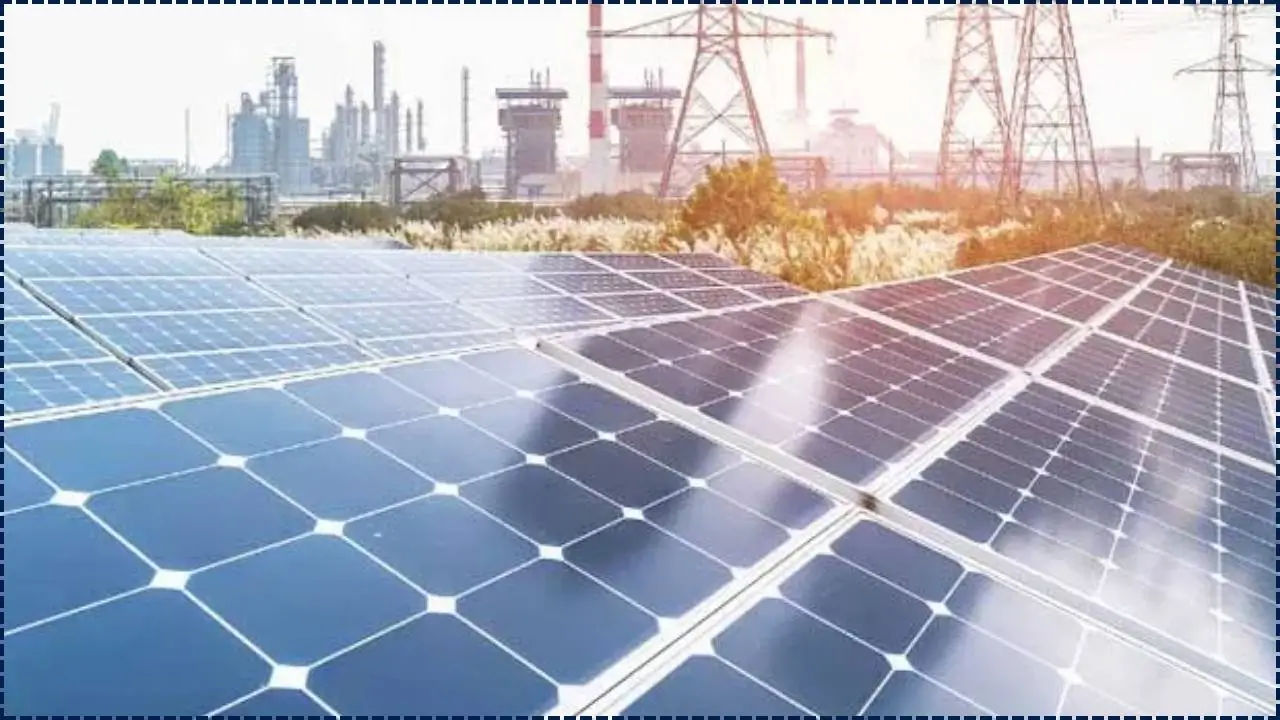

As rooftop solar adoption surges across India, homeowners are grappling with whether solar insurance is a necessary expense.

In 2026, with the rising value of solar assets and increased climate risk, experts agree that securing coverage for your system could be a wise decision to protect your investment in the long term.
Solar Insurance Worth The Cost
| Key Fact | Detail |
|---|---|
| Solar Market Growth | India added over 3 GW of solar capacity in 2025 alone. |
| Insurance Coverage | Solar insurance typically covers damage, theft, and system breakdowns. |
| Cost of Coverage | Premiums range from ₹1,000 to ₹5,000 annually based on system size. |
| Climate Risks | India’s weather-related losses have increased by 30% over the past decade. |
Why 2026 Is the Year to Secure Your Rooftop System
India’s rooftop solar market has exploded in recent years, with more homeowners turning to solar systems as a way to cut costs and reduce dependence on traditional energy sources. According to the Ministry of New and Renewable Energy (MNRE), India added over 3 gigawatts (GW) of solar capacity in 2025 alone, marking a significant rise in solar adoption.
However, with solar systems becoming an integral part of residential and commercial properties, the potential risks also grow. Climate-related incidents, panel degradation over time, theft, and accidents are just some of the factors that make solar insurance an increasingly important consideration for owners of solar systems in 2026.
As solar investments continue to rise, so too does the need for protection. Solar insurance can safeguard homeowners from significant financial loss due to unforeseen events, ensuring that their energy asset remains protected and operational.

What Does Solar Insurance Cover?
Solar insurance is specifically designed to cover damage to solar panels, inverters, and other key components of rooftop systems. It helps mitigate financial losses due to risks that are not typically covered by standard home insurance policies. Key elements that solar insurance covers include:
- Storms and Natural Disasters: Solar systems are vulnerable to storms, hail, lightning, and extreme temperatures. India has experienced an increase in weather-related disruptions, with climate risks intensifying in recent years. Solar insurance can protect against damage caused by severe weather. (policybazaar.com)
- Theft and Vandalism: In areas where rooftop solar systems are installed, theft of panels or inverters is a concern. Insurance coverage can help recover costs if equipment is stolen or vandalized.
- Mechanical or Electrical Failures: Over time, inverters and other components may break down or malfunction. Solar insurance can help cover the cost of repairs and replacements that would otherwise be expensive for homeowners to manage.
- System Breakdown Due to Accidents: If damage occurs during installation, servicing, or due to accidents, specialized insurance coverage can ensure that you are compensated for the repairs.
Home Insurance vs. Solar Insurance: What’s the Difference?
Many homeowners assume their solar panels are covered under their standard home insurance policies. However, this is often not the case. Home insurance typically covers property damage, but solar panels may not be included unless explicitly listed. There are important distinctions between home insurance and solar-specific insurance:
- Home Insurance Riders: Homeowners can sometimes add a solar rider to their home insurance policy to cover specific risks related to their solar systems. This usually covers damage to solar panels due to fire, hail, or vandalism. However, coverage for system breakdowns or theft may require a separate policy or additional coverage.
- Standalone Solar Insurance: This provides comprehensive coverage for solar systems, including repairs, theft, and mechanical failure. Standalone policies are tailored to meet the specific needs of solar equipment, covering more than home insurance typically does.
How Much Does Solar Insurance Cost?
The cost of solar insurance varies depending on several factors, such as system size, location, and the level of coverage chosen. On average, homeowners can expect to pay between ₹1,000 and ₹5,000 annually for insurance.
Larger systems or those located in high-risk areas (prone to storms or theft) may incur higher premiums. For a typical 5 kW solar system in India, the insurance cost could range from ₹2,500 to ₹3,500 annually.
This is a relatively small fraction of the overall cost of a solar system, which can exceed ₹3 lakh (approximately ₹300,000) before subsidies. Therefore, solar insurance may be viewed as a prudent investment to protect the financial value of the system.
The U.S. just slapped a 125.87% preliminary duty on Indian solar imports.
— Jarnail Singh Gill (@jelly_gill) February 25, 2026
That’s not a tariff.
That’s a wall.
Why does this matter?
Because India, Indonesia, and Laos supplied 57% of U.S. solar modules earlier this year. In other words, more than half of America’s solar panels… pic.twitter.com/KI1KOH3UAa

Is Solar Insurance Worth the Cost?
For many homeowners, solar insurance provides a valuable safety net, ensuring that their investment in clean energy is protected. Given the potential risks that solar systems face, such as extreme weather conditions, theft, and mechanical breakdowns, it is often considered worth the cost, especially when compared to the potential out-of-pocket expenses for repairs and replacements.
While some homeowners may be comfortable relying on their existing home insurance, others may find that specialized solar insurance offers broader protection and peace of mind.
For example, if a major hailstorm damages your solar panels, the replacement costs could run into tens of thousands of rupees. Insurance can significantly reduce that financial burden. Similarly, if an inverter fails after several years, repairs could cost ₹15,000 or more, which solar insurance could help cover.
Experts suggest that if your solar system is a key part of your home’s energy plan, investing in solar insurance is a wise decision to ensure long-term savings and protection. Additionally, if your region is prone to natural disasters or if your system was installed without warranty extensions, coverage becomes more important.
Risks Without Insurance: What Could Go Wrong?
Without insurance, homeowners face several potential risks:
- Natural Disasters: Storms, hail, and floods can damage solar panels. For example, in 2020, heavy storms in Rajasthan damaged numerous solar installations, costing tens of millions in repairs.
- Mechanical Failures: Panels and inverters degrade over time. While warranties may cover defects, they do not cover accidental damage or wear and tear due to natural elements, which is where insurance becomes crucial.
- Theft: Rooftop solar systems are often easy targets for theft, especially in urban or high-risk areas. With no insurance, you would be left to bear the full replacement costs.
The Future of Solar Insurance: What to Expect by 2030
As rooftop solar adoption grows in India, experts predict that the market for solar insurance will expand. Increased awareness, combined with the anticipated rise in solar installations, could push solar insurers to offer more competitive policies.
In response to rising risks, including the effects of climate change, insurers may begin to introduce more comprehensive coverage options, including climate-related protections and advanced technologies that monitor system health. The Indian insurance market is also likely to evolve to accommodate growing demand.
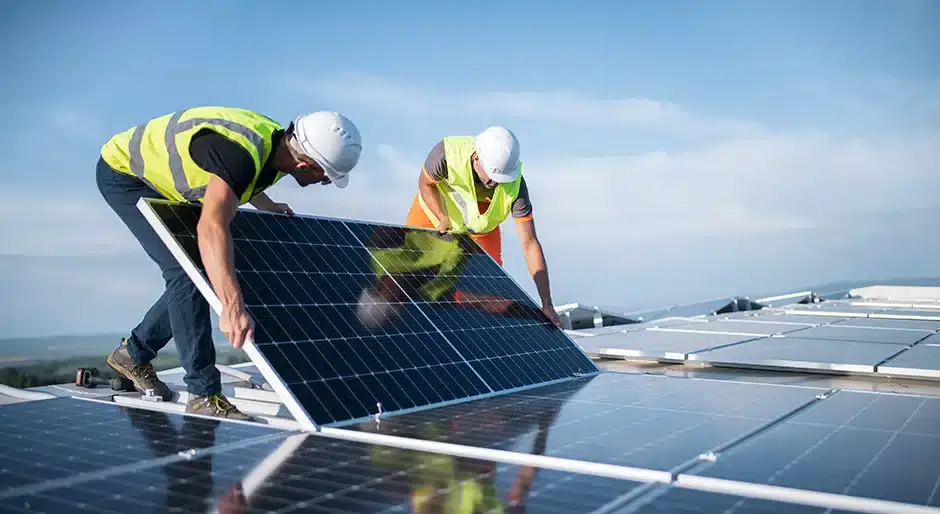
Related Links
Hidden Gems: Top 5 Smallcap Renewable stocks that could turn into the next multibagger opportunities
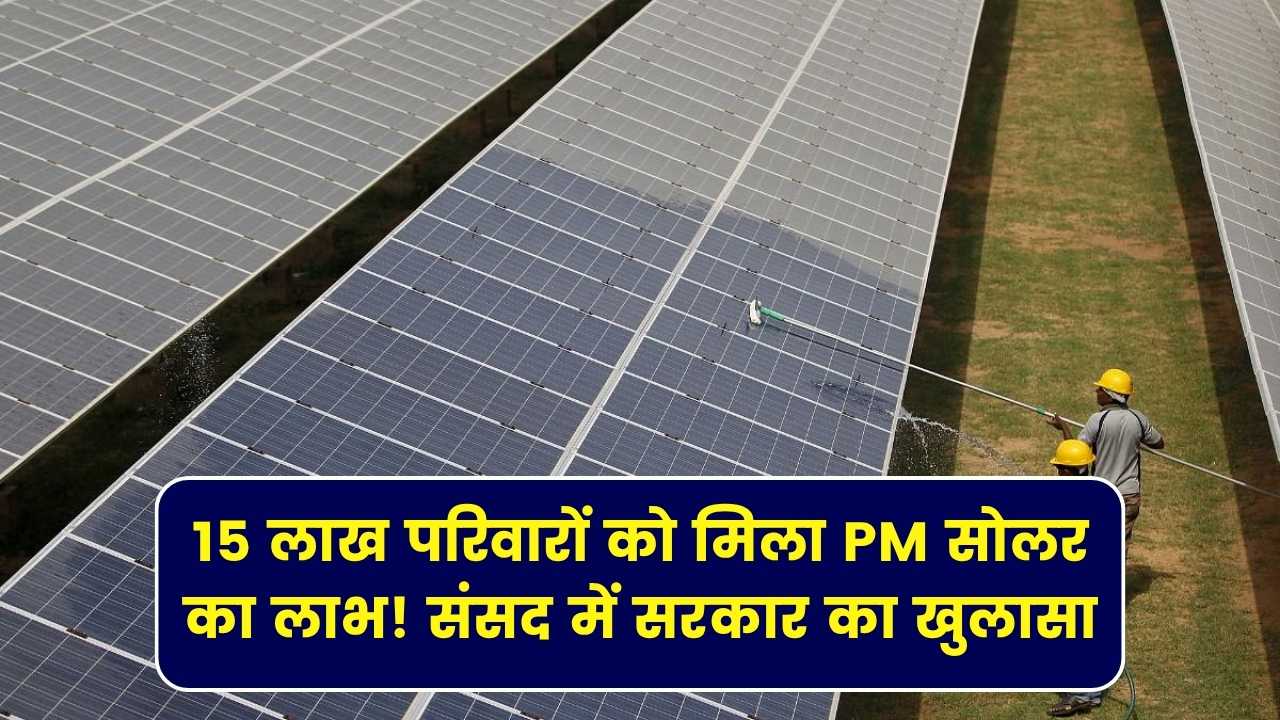
As rooftop solar systems become integral to India’s energy landscape, securing them with solar insurance is a prudent step in 2026.
Whether you are protecting against natural disasters, system failures, or theft, insurance can offer essential peace of mind. Given the risks and the relatively affordable cost of coverage, ensuring your system’s longevity and value may well be worth the investment.
As India’s solar market matures, the importance of safeguarding solar assets will only increase, making it a key consideration for all solar owners.
FAQs
Is solar insurance mandatory?
No, it is not mandatory. However, it is highly recommended to protect your investment in case of damage, theft, or system failure.
Can home insurance cover solar systems?
Home insurance can sometimes cover solar systems, but specific solar insurance policies are more comprehensive and tailored to cover common solar system risks.
How much does solar insurance cost?
The average cost of solar insurance in India ranges from ₹1,000 to ₹5,000 annually, depending on the size of the system and location.