

In a landmark development for India’s renewable energy sector, rooftop solar capacity surged to an unprecedented 7.1 GW in 2025, more than doubling the total installed capacity from the previous year.
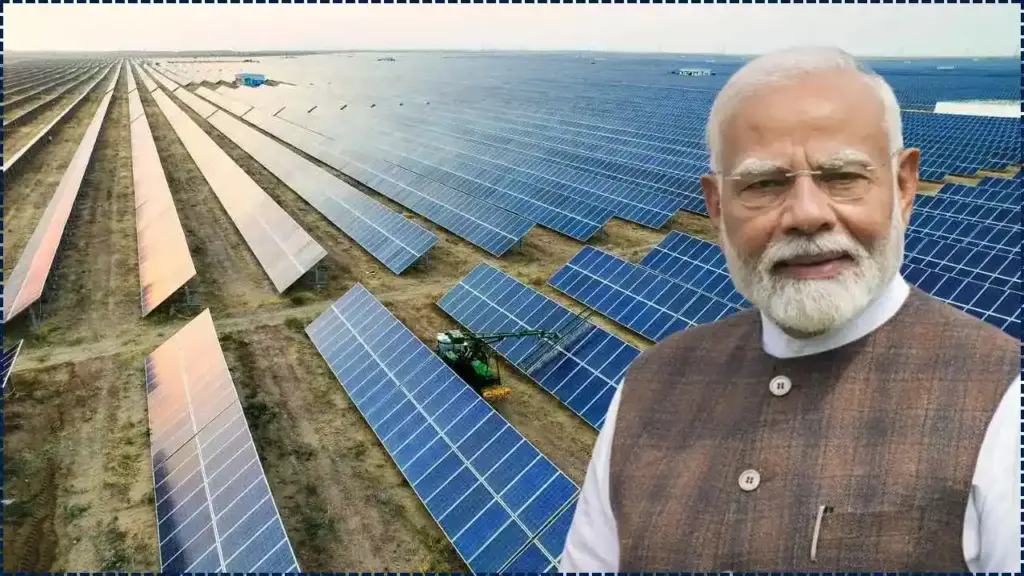
This achievement highlights the accelerating trend of distributed solar generation across the country, powered by residential demand, government incentives, and growing industry capacity. The record figure demonstrates the success of India’s efforts to decarbonize its power grid while addressing energy security issues and climate change.
This surge in rooftop solar installations is a vital step toward India’s overarching renewable energy goals. By 2030, India aims to achieve 500 GW of non-fossil energy capacity, with a significant portion of this coming from solar power.
The 7.1 GW rooftop solar capacity achieved in 2025 represents a crucial component of India’s growing commitment to clean energy and reducing its reliance on fossil fuels, particularly coal.
Key Drivers Behind Rooftop Solar Growth
Government Support and Financial Incentives
The Indian government has played a crucial role in accelerating the adoption of rooftop solar energy. Key policies like the Pradhan Mantri Surya Ghar Yojana and other state-level initiatives have made rooftop solar installations more accessible by offering subsidies, financial support, and simplified approvals for both residential and commercial consumers.
These incentives significantly reduce the initial investment for rooftop solar installations, making it easier for middle-class and rural households to make the switch to clean energy.
The PM Surya Ghar Yojana, launched in 2024, alone is responsible for more than 50% of the new residential installations in 2025, especially in tier-2 and tier-3 cities.
Residential Sector Leads the Growth
The residential sector has driven the growth of rooftop solar in India, with 76% of the 7.1 GW added in 2025 coming from private homes. The rising costs of electricity and increased environmental awareness have motivated millions of households to switch to solar power.
With an increasing number of households experiencing the financial benefits of solar, residential adoption has outpaced expectations.
Technological Innovations and Advancements
Rooftop Solar Efficiency Boosted by Technological Advances
Rooftop solar adoption has been bolstered by technological advancements in solar panels and energy storage systems. Over the past few years, bifacial solar panels, solar batteries, and AI-powered energy management systems have dramatically increased the efficiency of rooftop solar systems.
These innovations allow households and businesses to generate and store more electricity from their rooftops, even during cloudy days or at night. Bifacial panels, which capture sunlight from both the front and back of the panel, have become a popular choice for rooftop installations due to their higher energy yield.
These panels are particularly effective in urban environments, where reflected light from surrounding buildings increases the efficiency of solar generation.
Smart Energy Management Systems
Additionally, smart energy management systems now allow users to better track and optimize their energy usage, maximizing the efficiency of their rooftop solar installations.
These systems enable households to manage when to use energy from the grid and when to rely on solar-generated power or battery storage, reducing reliance on external power sources and ensuring maximum savings.
The Role of Rooftop Solar in India’s Renewable Energy Transition
India’s Clean Energy Commitment
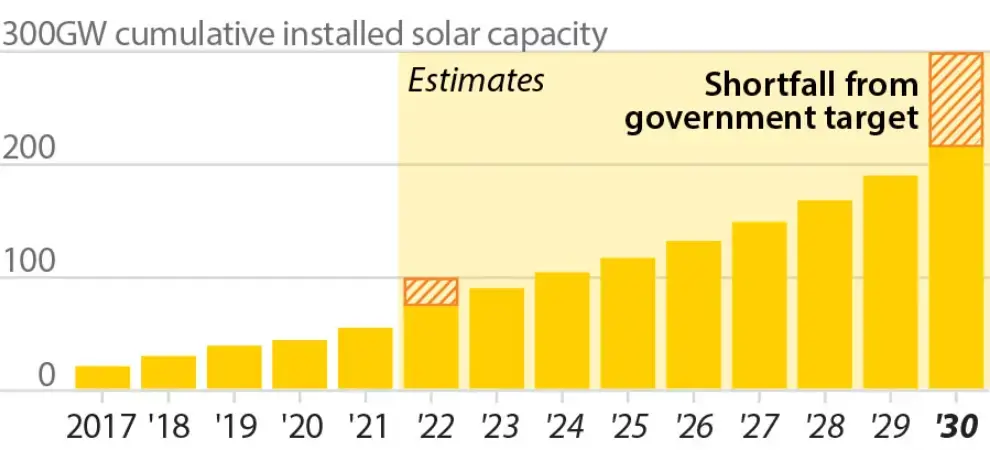
India is committed to reducing its carbon footprint as part of its Nationally Determined Contributions (NDCs) under the Paris Agreement. As of 2025, rooftop solar is projected to contribute to more than 10% of India’s overall solar capacity, highlighting its growing importance in the country’s renewable energy mix.
With 500 GW of non-fossil fuel capacity being the government’s goal by 2030, rooftop solar will play a vital role in achieving this target. The decentralized nature of rooftop solar generation allows it to complement larger, ground-mounted solar farms, making India’s energy mix more diverse and resilient.
This decentralized approach also enables energy security at the local level, especially in rural and semi-urban areas.
Energy Independence and Grid Stability
Rooftop solar systems help reduce the burden on India’s national grid and increase energy independence. By generating energy locally, they reduce transmission losses and provide energy resilience, especially in remote areas where grid infrastructure may be weak or unreliable.
As India aims to eliminate coal dependency, rooftop solar offers an important tool for achieving grid stability and improving energy access across the country.
Challenges to Rooftop Solar Expansion
Grid Integration and Policy Challenges
While rooftop solar growth has been impressive, challenges remain. The integration of increasing rooftop solar capacity into the national grid requires substantial upgrades in grid infrastructure and more advanced grid management systems to accommodate the influx of distributed solar generation.
Additionally, regulatory challenges, including state-specific policy barriers and long approval timelines, hinder faster adoption in some regions.
To address these issues, India will need to prioritize smart grid development, grid storage solutions, and uniform policy enforcement across states to ensure that rooftop solar growth remains scalable and integrated into the broader energy system.
Outlook for the Future: Scaling Rooftop Solar
Innovative Financing and Business Models
One key area that will sustain the momentum of rooftop solar is the rise of innovative financing models, such as pay-as-you-go systems, solar leases, and solar loans. These models, which have been successfully employed in countries like Kenya and Brazil, allow consumers to pay for solar installations through affordable monthly payments, making it easier for households to make the initial investment.
As financing becomes more accessible, solar system prices are expected to continue to fall, spurring adoption among both low-income households and businesses looking to cut energy costs.
Increased Capacity and Policy Support
By 2026, rooftop solar installations are expected to grow further, driven by the continued expansion of government subsidy schemes, improvements in solar technology, and favorable global market conditions.
India is well on track to achieve its solar energy targets, with rooftop solar playing an important role in this push.
Related Links
India’s rooftop solar sector has reached a historic milestone in 2025, with 7.1 GW of new capacity added, marking a pivotal moment in the country’s transition to clean energy. This growth has been powered by strong government support, financial incentives, and technological advancements in solar energy.
As India continues to make strides in renewable energy, rooftop solar will play a crucial role in meeting the country’s energy goals and ensuring energy resilience. The growing adoption of rooftop solar reflects a larger shift towards decentralization and clean power generation, which will help India reduce its reliance on fossil fuels, lower emissions, and achieve energy independence.
Moving forward, innovative financing, policy improvements, and technological innovation will be essential to scaling rooftop solar across the nation, ultimately contributing to a sustainable and self-sufficient energy future.
FAQs
Q: What is the PM Surya Ghar Yojana?
A: The PM Surya Ghar Yojana is a government scheme that provides subsidies and financial support for households and businesses to install rooftop solar panels.
Q: How does rooftop solar benefit India’s energy system?
A: Rooftop solar contributes to distributed power generation, reduces grid reliance, and provides energy security by generating power locally, especially in remote and under-served regions.