

In 2026, Solar ROI 2026: Which Australian Capital City Offers the Fastest Payback Period? is increasingly shaped by rising electricity prices, declining installation costs, and policy incentives.
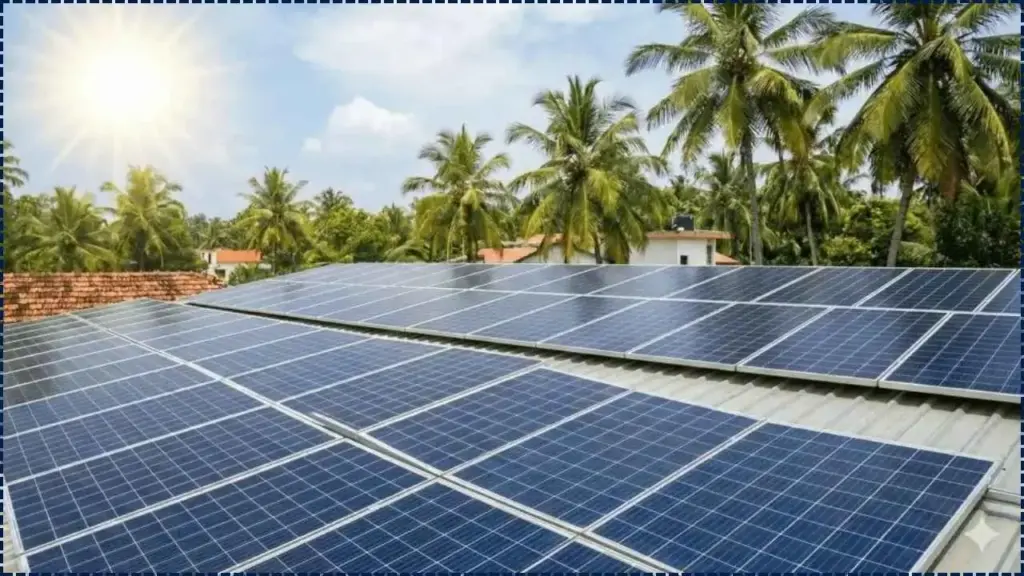
Adelaide has emerged as the clear leader, with some households recovering costs in under two years, while most other capitals achieve payback within three to five years.
Solar ROI 2026
| Key Fact | Detail / Statistic |
|---|---|
| Fastest Payback City | Adelaide (~1.9 years) |
| National Average Payback | 3–6 years |
| Key ROI Drivers | Electricity cost, sunlight, self-consumption |
Solar ROI in 2026 underscores Australia’s leadership in residential renewable energy. Adelaide offers the fastest payback, while most other capitals deliver strong returns within a few years.
As energy markets evolve and technology improves, solar is expected to remain a cornerstone of household energy strategy, combining financial benefits with environmental impact.
Solar ROI 2026: National Overview
Australia’s rooftop solar sector continues to expand rapidly in 2026, with more than three million installations nationwide, according to data from the Clean Energy Regulator. The country now ranks among global leaders in household solar adoption.
The central question for homeowners is no longer whether solar is viable, but how quickly it pays off. The payback period, a key metric for solar ROI, has declined significantly over the past decade due to falling system costs and rising electricity tariffs.
Energy analysts say the economic case for solar has rarely been stronger. “Australia offers one of the most favorable environments globally for rooftop solar investment,” said an energy market specialist. “But the returns vary depending on geography and usage patterns.”
What Determines Solar Payback Periods?
Electricity Prices: The Primary Driver
Electricity costs remain the most influential factor in solar ROI. South Australia consistently records some of the highest tariffs in the country, increasing the financial value of solar-generated electricity.
“When grid electricity is expensive, every unit of solar power offsets higher costs,” said an energy economist. “That shortens the payback timeline significantly.”
Solar Irradiance: The Sunlight Factor
Solar performance depends heavily on irradiance levels. Western and northern regions, including Perth and Brisbane, receive more consistent sunlight than southern cities like Melbourne and Hobart. Higher irradiance translates into greater energy generation, boosting annual savings.
System Costs and Incentives
Government incentives, particularly the Small-scale Renewable Energy Scheme (SRES), continue to reduce upfront costs. However, these incentives are gradually declining, making timing an important factor for prospective buyers. Installation costs also vary by region due to labor and logistics differences.
Self-Consumption vs Feed-in Tariffs
Feed-in tariffs have declined across most states, reducing the financial benefit of exporting excess electricity. As a result, maximizing self-consumption has become critical.
“Using your own solar energy delivers the highest return,” said a renewable energy researcher. “Exporting to the grid is now a secondary benefit.”
Adelaide Leads Solar ROI 2026
Adelaide stands out as the top-performing capital, with payback periods estimated at approximately 1.9 years. This performance is driven by:
- High electricity tariffs.
- Strong solar generation.
- High household energy usage during daylight hours.
South Australia’s energy market structure amplifies the financial benefits of solar systems, making Adelaide the most attractive city for rapid ROI.

Perth and Sydney: Strong Contenders
Perth: High Solar Output
Perth benefits from some of the highest solar irradiance levels in Australia. Systems in Western Australia generate substantial energy year-round. “Perth households often produce surplus electricity during the day,” said a solar installer. “That accelerates cost recovery.”
Sydney: Balanced Performance
Sydney offers a combination of relatively high electricity prices and favorable solar conditions. While not leading in either category, the balance results in strong ROI.
Brisbane and Canberra: Reliable Returns
Brisbane and Canberra deliver payback periods of around 2.8 years. Brisbane’s high sunlight levels support strong energy generation, while Canberra benefits from stable conditions despite cooler winters.
Melbourne: Moderate Returns
Melbourne’s lower solar irradiance and reduced feed-in tariffs extend payback periods to approximately 3.5–4 years. Despite this, analysts emphasize that solar remains a worthwhile investment due to long-term savings.
Hobart and Darwin: Slower Payback
Hobart and Darwin record the longest payback periods, generally exceeding four years.
- Hobart’s lower sunlight reduces output.
- Darwin faces higher system costs.
Even so, both cities remain within acceptable investment ranges.
Consumer Case Study: Real Household Economics
A typical household installing a 6.6 kW system in Adelaide can save significantly on annual electricity bills. Analysts estimate that such systems can generate enough electricity to offset a large portion of daytime consumption.
In Sydney, similar systems may take slightly longer to pay off but still provide substantial long-term savings.
Risks and Considerations
Policy Changes
Government incentives are gradually declining, which may increase upfront costs in future years.
Electricity Price Volatility
While rising electricity prices improve ROI, unexpected regulatory changes could affect savings.
System Performance
Factors such as shading, roof orientation, and maintenance can impact energy output.

Emerging Trend: Solar + Battery Storage
Battery adoption is increasing in 2026 as households seek to maximize self-consumption. While batteries extend payback periods initially, they improve long-term energy independence. “Storage is becoming the next step in solar evolution,” said an energy policy expert.
Environmental Impact
Beyond financial returns, solar adoption contributes to emissions reduction. Rooftop solar reduces reliance on fossil fuels and supports Australia’s transition to renewable energy. According to industry estimates, widespread solar adoption has already reduced national carbon emissions significantly.
Related Links
Nova Scotia Solar Update: Is 1:1 Net Metering the New “Grant” for Maritimers?
The Post-ECO4 Era: What Happens to Free Solar Grants After the March 31st Deadline?
Future Outlook: Solar ROI Beyond 2026
Analysts expect solar ROI to remain strong in the coming years due to:
- Continued electricity price pressures
- Advances in solar technology
- Increased battery adoption
However, declining incentives may slightly extend payback periods for new installations.
FAQs
What is the fastest solar payback in Australia?
Adelaide leads with payback periods under two years.
How long does solar take to pay off nationally?
Typically between 3 and 6 years.
Does battery storage improve ROI?
It improves long-term savings but may increase upfront costs.
Is solar still worth it in 2026?
Yes, especially in regions with high electricity prices and strong sunlight.