
India’s Solar Rooftop Bonus initiative is gaining traction as select state governments begin offering free induction stoves to households installing rooftop solar systems.
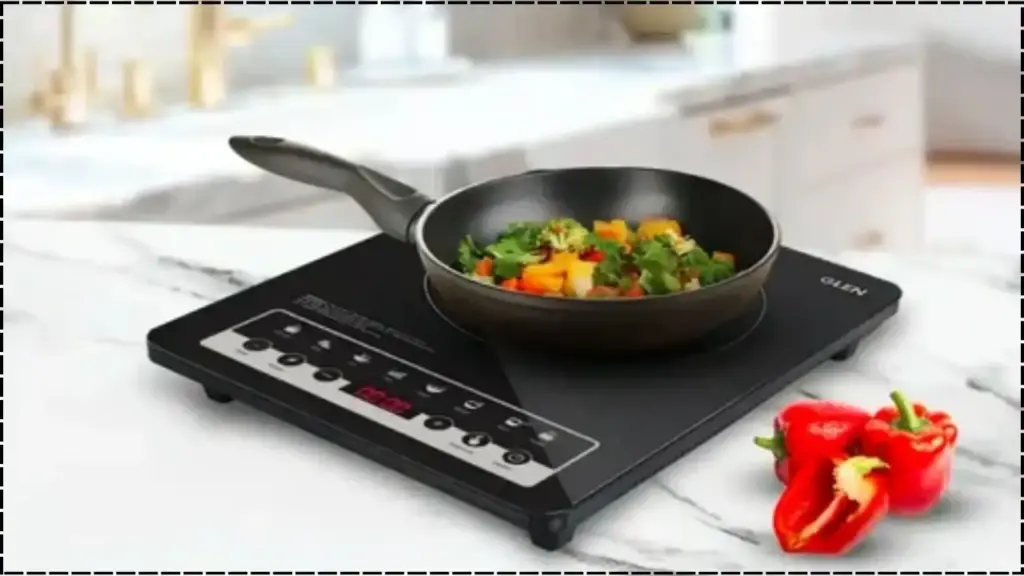
The policy, emerging alongside the national solar expansion programme, seeks to promote clean electricity usage, reduce LPG dependence, and accelerate the transition toward sustainable household energy consumption.
What Is the Solar Rooftop Bonus Initiative?
The Solar Rooftop Bonus is not a single nationwide scheme but a cluster of state-level incentives linked to India’s broader solar mission. While the central government provides subsidies for rooftop solar installations, certain states are layering additional benefits to increase adoption.
One of the most visible incentives is the distribution of free induction cooktops to households that install rooftop solar systems. State officials describe this as a behavioural and economic nudge to ensure that solar electricity is actively used within homes.
According to energy department officials involved in early implementation, the initiative is designed to “close the loop between clean energy generation and its practical use in households.”
How the Scheme Works
Rooftop Solar as the Foundation
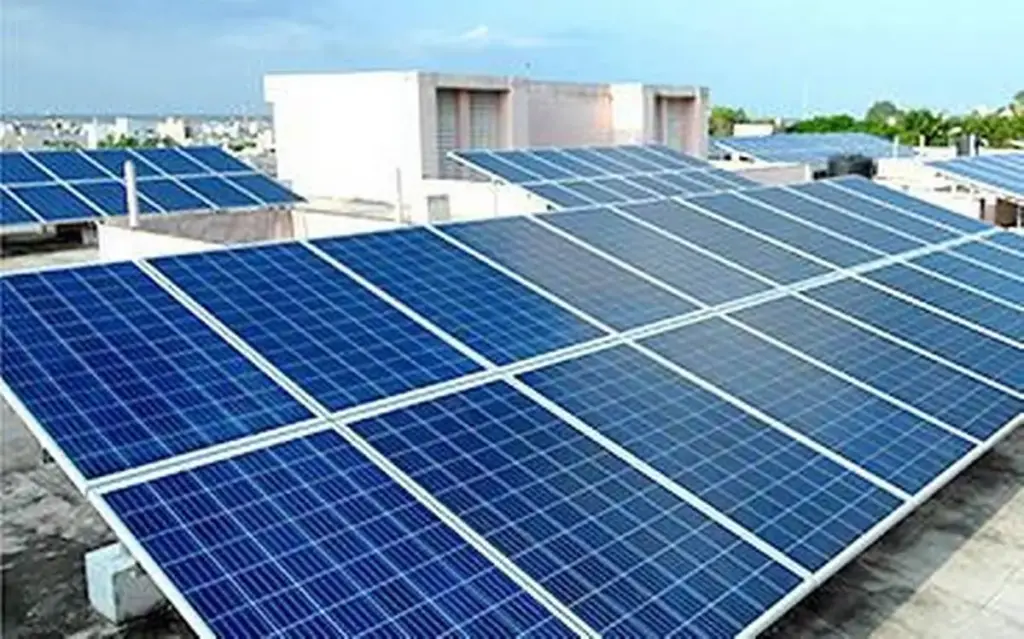
At the core of the initiative is the Pradhan Mantri Surya Ghar: Muft Bijli Yojana, launched in 2024. The scheme aims to install rooftop solar systems in one crore households across India.
Key features include:
- Capital subsidies covering a significant share of installation costs
- Net metering provisions allowing households to export excess electricity
- Digital application and approval systems to streamline adoption
Households generate electricity during daylight hours, reducing their dependence on grid power and lowering monthly bills.
Induction Stoves as a Consumption Incentive
Once rooftop systems are installed, some states provide free induction stoves to encourage electric cooking. This ensures that solar power is not only generated but also effectively utilised. Officials say this dual approach improves:
- Energy self-sufficiency
- Appliance electrification
- Daytime power consumption efficiency
Why Induction Cooking Matters in the Policy
A Shift Away from LPG
India has significantly expanded LPG access, yet the long-term goal is to reduce fossil fuel dependence. Induction cooking offers a viable alternative, especially when powered by renewable electricity. According to energy experts, induction stoves:
- Are more energy-efficient than gas stoves
- Eliminate indoor air pollution
- Reduce recurring fuel costs
“Electric cooking powered by renewables can play a transformative role in India’s energy transition,” said Dr. Ajay Mathur, Director General of the International Solar Alliance (ISA), in public discussions on clean energy pathways.
Improving Public Health Outcomes
Indoor air pollution remains a concern in many Indian households. The World Health Organization (WHO) has linked exposure to harmful cooking emissions with respiratory diseases.
By shifting to electric cooking, policymakers aim to improve indoor air quality, especially for women and children who spend more time near cooking areas.
Regional Rollout: Rajasthan as a Pilot Case
The initiative has been most visible in Rajasthan, where the state government has announced plans to distribute around 100,000 induction stoves. Officials in the state’s energy department say the programme is part of a broader push toward:
- Energy efficiency
- Renewable energy adoption
- Public awareness campaigns
Other states are closely monitoring the results. Policy analysts suggest that successful implementation could lead to wider adoption across India.
Adoption Trends Under the National Programme
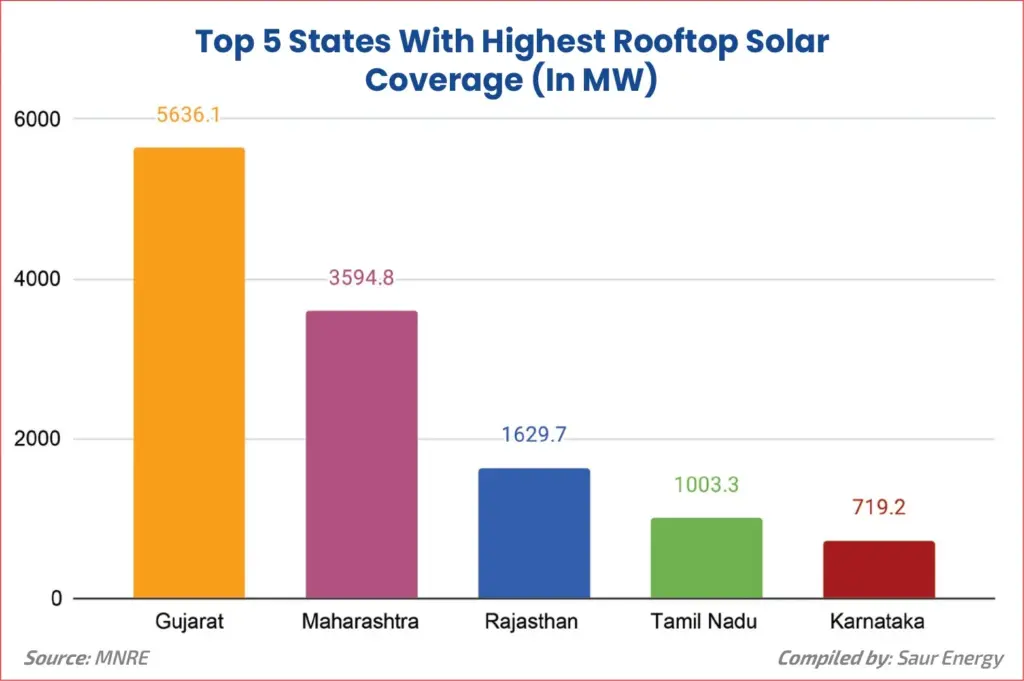
The rooftop solar initiative has seen rapid growth since its launch. Government data indicates:
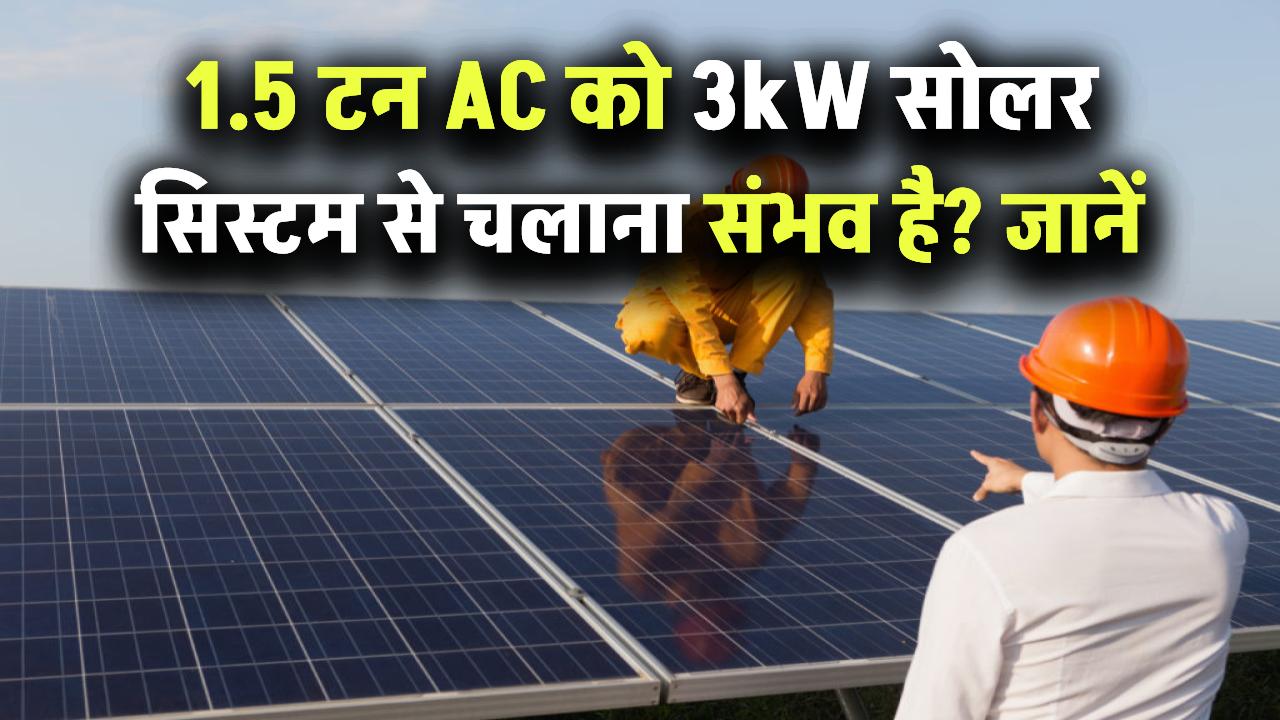
- Millions of applications submitted through the national portal
- A steady increase in installations across urban and semi-urban areas
- A growing number of households achieving near-zero electricity bills
The Ministry of New and Renewable Energy (MNRE) has attributed this growth to simplified procedures and increased financial incentives.
Economic Impact on Households
Reduced Energy Costs
Households benefit from:
- Lower electricity bills
- Reduced LPG expenditure
- Faster return on investment for solar systems
Energy economists estimate that households can recover installation costs within a few years, depending on usage patterns and subsidy levels.
Boost to Local Economy
The solar push is also generating employment in:
- Installation services
- Equipment manufacturing
- Maintenance and after-sales support
Industry estimates suggest that the rooftop solar sector could create thousands of jobs in the coming years.
Environmental and Climate Implications
India has committed to increasing its non-fossil fuel energy capacity significantly. Rooftop solar plays a key role in decentralised energy generation. By combining solar power with electric cooking:
- Carbon emissions are reduced
- Peak demand on thermal power plants is eased
- Urban pollution levels can decline over time
Experts say this integrated approach strengthens India’s climate strategy.
Challenges in Implementation
Financing Barriers
Despite subsidies, upfront costs remain a hurdle for many households. Access to low-interest financing is uneven, particularly in rural areas.
Awareness and Information Gaps
Many eligible households are unaware of:
- Application procedures
- Eligibility criteria
- Available incentives
“Bridging the awareness gap is as important as financial support,” said Dr. Arunabha Ghosh, CEO of the Council on Energy, Environment and Water (CEEW).
Infrastructure and Policy Variations
Differences in state-level regulations, especially around net metering, can affect adoption rates. Delays in approvals and grid connectivity also pose challenges in some regions.
Behavioural Resistance
Switching to induction cooking requires:
गिरावट के बाद भी क्या IREDA में इन्वेस्ट करना सही रहेगा, 1 साल में 13% से ज्यादा किया है नुकसान
- Familiarity with new appliances
- Reliable electricity supply
- Adjustments in cooking practices
Some households remain hesitant due to these factors.
International Comparison
India’s approach mirrors global trends where governments link renewable energy adoption with electrification of household activities.
Countries such as:
- China have promoted electric cooking through appliance subsidies
- European nations have incentivised electric heating alongside solar installations
However, India’s model stands out due to its scale and focus on low- and middle-income households.
What Households Should Know
Consumers interested in the scheme should:
- Apply through official government portals
- Verify eligibility criteria
- Choose certified vendors
- Check state-specific benefits
Experts advise caution against misinformation and recommend relying on official sources.
Related Links
Sunsure Energy Secures ₹606 Crore Debt Funding for 242 MWp Solar Projects in UP & Maharashtra
New Mandate: Aadhaar Authentication Now Required for PM Surya Ghar Solar Subsidy
Future Outlook
Policy analysts expect more states to introduce similar incentives if early results are positive. The integration of appliances with renewable energy systems could become a standard feature of future schemes. The concept of a Solar Rooftop Bonus may evolve into a broader framework that includes:
- Electric water heaters
- Battery storage systems
- Smart home energy management tools
The Solar Rooftop Bonus initiative reflects a significant shift in India’s energy policy, linking renewable energy generation with everyday household consumption. By combining rooftop solar systems with incentives such as free induction stoves, policymakers aim to create a more sustainable, efficient, and self-reliant energy ecosystem.
While challenges remain, the initiative signals a move toward integrated clean energy solutions that could reshape how Indian households produce and consume energy in the years ahead.