Shares of ACME Solar Holdings Ltd, an Indian renewable energy developer, surged nearly 9% in intraday trading after the company announced the commissioning of a 142.67 megawatt (MW) / 481.49 megawatt-hour (MWh) battery energy storage system in Rajasthan.
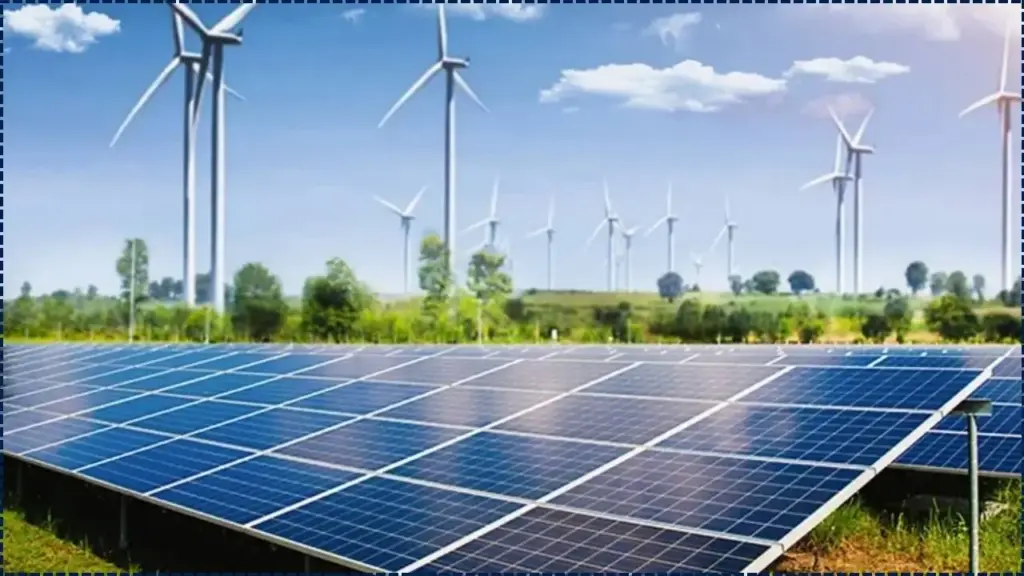
The development represents one of the notable operational energy storage deployments in India’s rapidly expanding clean power sector.
The facility, located in Rajasthan and connected to India’s Inter-State Transmission System (ISTS), is expected to support renewable energy generation by storing electricity during periods of excess supply and releasing it when demand increases.
Market participants interpreted the announcement as a major operational milestone, helping lift the company’s share price to an intraday high of about ₹262 per share, even as broader equity markets remained volatile.
The project also forms the first phase of a larger energy storage initiative, underscoring the growing role of battery systems in ensuring reliable electricity supply as India increases its reliance on renewable energy.
Solar Stock Rally Reflects Investor Confidence
The rise in ACME Solar’s share price followed the company’s confirmation that the 481 MWh battery energy storage project in Rajasthan had been successfully commissioned and connected to the national grid.
Infrastructure announcements such as this often influence investor sentiment because they indicate that capital-intensive projects have moved from development to operational status.
Energy sector analysts say battery storage facilities are increasingly viewed as critical infrastructure within renewable power systems.
“Energy storage allows renewable generation to behave more like conventional power plants,” said Dr. Anil Kulkarni, an energy policy analyst at the Council on Energy, Environment and Water (CEEW). “It helps smooth out fluctuations in solar and wind output and ensures that electricity can be delivered reliably.”
The commissioning of large battery facilities also signals potential future revenue streams, particularly when projects are integrated with long-term power purchase agreements.
Inside the 481 MWh Battery Energy Storage Project
The newly operational system consists of 142.67 MW of discharge capacity and 481.49 MWh of energy storage capability. Battery energy storage systems (BESS) typically use lithium-ion battery modules arranged in containerised units, connected through power conversion systems and grid control technology.
The Rajasthan facility will initially operate under a merchant market model, meaning electricity stored in the batteries can be sold when market prices peak.
Later, the project is expected to integrate with Firm and Dispatchable Renewable Energy (FDRE) contracts, which provide utilities with guaranteed electricity supply from renewable sources combined with storage.
Such hybrid energy models are gaining attention because they address one of the major challenges facing renewable energy: intermittency.
Why Battery Storage Is Critical for Renewable Power
Solar energy generation typically peaks during daylight hours, while electricity demand often increases in the evening when solar output declines. Battery storage systems help bridge this gap.
They allow renewable energy producers to:
- Store surplus solar energy during the day
- Release electricity during evening peak demand
- Stabilise grid frequency and voltage
- Reduce reliance on fossil fuel backup generation
According to the International Energy Agency (IEA), global grid-scale battery storage capacity expanded rapidly in recent years as battery costs declined and renewable energy installations increased. India is expected to become one of the fastest-growing markets for such systems.

1 साल में 1000% रिटर्न देने वाली कंपनी अब दे रही है 17 बोनस शेयर! निवेशकों को बना दिया करोड़पति
Rajasthan Emerges as India’s Renewable Energy Hub
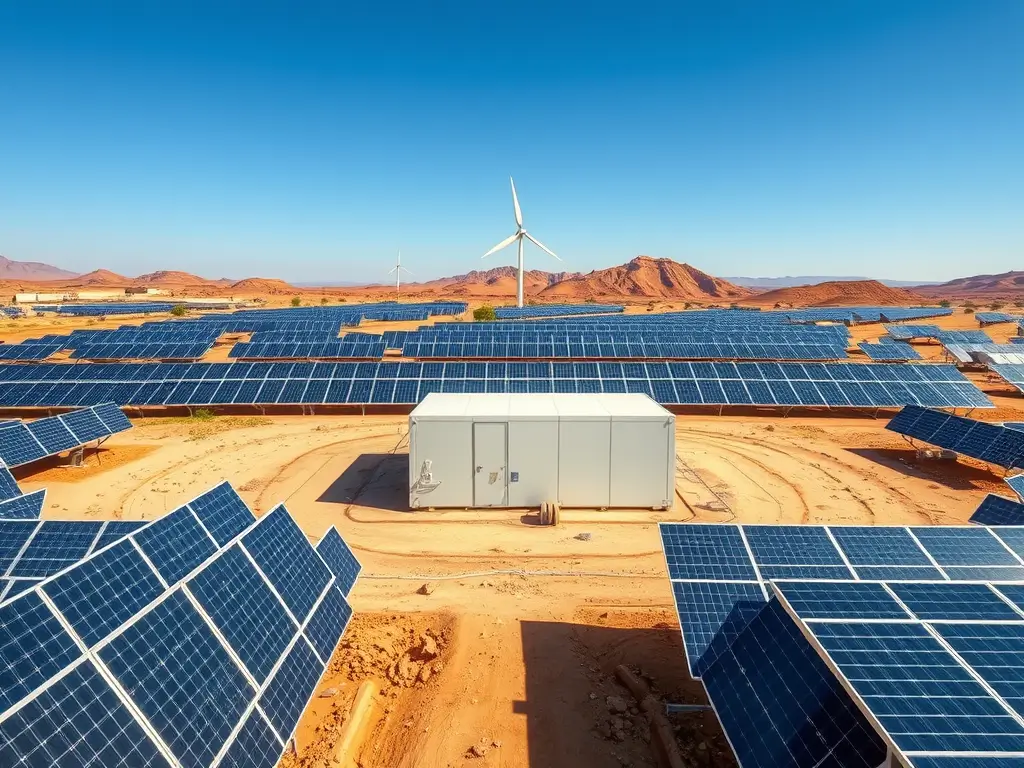
The choice of Rajasthan for the project reflects the state’s growing importance in India’s clean energy landscape.Rajasthan has vast desert regions with high solar radiation levels, making it an ideal location for solar power plants. The state hosts several of India’s largest renewable energy projects and solar parks.
Large-scale battery storage in the region can help stabilise electricity generated by these solar parks and deliver power to other parts of the country through the national transmission network. Energy experts say integrating storage with solar capacity is essential as renewable energy generation expands.
ACME Solar’s Growing Renewable Portfolio
Headquartered in Gurugram, ACME Solar Holdings Ltd has built a large portfolio of renewable energy projects across India. The company currently manages a renewable capacity pipeline exceeding 8 gigawatts (GW) across solar, wind, hybrid, and storage technologies. According to company disclosures:
- About 2,966 MW of capacity is operational
- Over 5,000 MW is under development or construction
- The company plans approximately 16.5 gigawatt-hours of battery storage capacity
These projects include hybrid power plants that combine solar generation with storage systems to provide round-the-clock electricity supply. Such integrated systems are increasingly preferred by utilities because they offer greater reliability than standalone renewable plants.
India’s National Energy Storage Strategy
The commissioning of the Rajasthan battery facility aligns with India’s broader energy transition strategy. India has committed to expanding renewable energy capacity as part of its climate and energy security objectives.
Government initiatives aim to deploy large volumes of solar and wind energy while reducing dependence on fossil fuels. However, integrating intermittent renewable sources requires grid flexibility. Energy storage systems provide that flexibility by balancing supply and demand.
The Central Electricity Authority (CEA) has estimated that India may require tens of gigawatt-hours of battery storage capacity by the end of this decade to support renewable energy integration.
Financing and Investment Trends
Large battery energy storage projects require significant capital investment. Developers often rely on a combination of debt financing, equity funding, and government incentives.
In recent years, Indian financial institutions and global investors have increased funding for renewable energy infrastructure. Experts say the growing interest in energy storage reflects the sector’s long-term growth potential.
“Battery storage is rapidly becoming a core component of modern electricity systems,” said Prof. Rahul Tongia, senior fellow at the Brookings Institution India Center. “Countries expanding renewable energy will inevitably need storage to maintain reliability.”
Environmental and Economic Impact
Battery storage projects can contribute to several environmental and economic objectives. They enable higher utilisation of renewable energy, which reduces carbon emissions associated with electricity generation.
In addition, energy storage projects create new infrastructure investment opportunities and support job creation in engineering, manufacturing, and construction sectors. However, experts also note that battery manufacturing and disposal raise environmental considerations.
Lithium-ion batteries require minerals such as lithium, cobalt, and nickel, whose extraction and recycling must be managed responsibly. Researchers are currently exploring improved recycling technologies and alternative battery chemistries to address these concerns.
Global Context: The Rapid Rise of Energy Storage
Energy storage has become one of the fastest-growing segments of the global power industry. Major economies including the United States, China, and the European Union are investing heavily in grid-scale battery projects.
According to the International Renewable Energy Agency (IRENA), energy storage capacity worldwide could expand significantly over the next decade as renewable energy deployment accelerates.
India’s emerging battery projects are therefore part of a broader global transformation in electricity infrastructure.
Risks and Challenges for the Sector
Despite strong growth prospects, the energy storage sector faces several challenges. These include:
- High initial capital costs
- Supply chain constraints for battery materials
- Technology performance and lifecycle concerns
- Policy and regulatory uncertainties
Developers must also ensure that energy storage projects remain economically viable in competitive electricity markets. Nevertheless, analysts say long-term demand for storage will continue rising as renewable energy expands.
Related Links
State-by-State Solar Guide: Which US states offer the best solar rebates in 2026?
Beyond the Roof: Top 5 US urban solar trends transforming city living in 2026
The commissioning of the 481 MWh battery energy storage project in Rajasthan marks a significant milestone for both ACME Solar Holdings and India’s broader renewable energy transition.
The strong market response, reflected in a 9% surge in the company’s share price, highlights investor confidence in energy storage as a key component of future electricity systems.
As India expands solar and wind capacity, projects combining renewable generation with large-scale battery storage are likely to play an increasingly important role in delivering reliable, low-carbon power across the country.