
In recent months, solar service searches in India have increased by 43%, indicating a significant shift in consumer behavior as more households seek rooftop solar installations. This surge in demand can be attributed to a combination of economic and environmental factors, as well as growing awareness about the financial benefits of solar energy.
With the government’s backing, falling costs of technology, and a rising focus on clean energy, India is seeing a boom in rooftop solar adoption, positioning it as a key player in the global renewable energy transition.
The Driving Forces Behind India’s Solar Surge
Rising Electricity Prices and Financial Incentives
Electricity prices in India have risen steadily in recent years, prompting many consumers to explore more cost-effective alternatives. Rooftop solar provides a long-term solution, allowing homeowners to generate their own power and reduce reliance on the grid.
The combination of reduced electricity bills and the possibility of selling excess energy back to the grid has made solar energy a compelling investment for many.
Government Schemes: A Catalyst for Growth
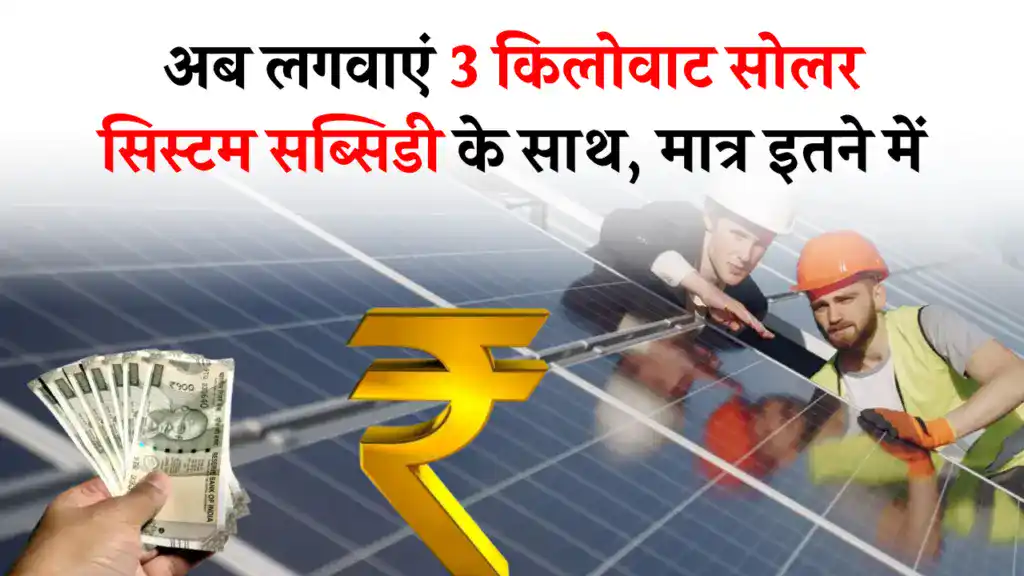
The Pradhan Mantri Surya Ghar Muft Bijli Yojana (PM Surya Ghar Scheme) is one of the most significant drivers of rooftop solar adoption in India. Launched by the government, this initiative offers financial assistance and subsidies to eligible households, significantly reducing the initial cost of installing rooftop solar panels.
With the aim to install 1 crore solar-powered homes by 2025, the government has earmarked ₹14,771 crore for the initiative.
This scheme, alongside other state-specific incentives, has helped make rooftop solar more affordable and accessible for a wide range of consumers, including those in semi-urban and rural areas.
Technological Advancements in Solar Energy
The cost of solar panels has decreased drastically over the past decade, making rooftop solar more accessible. As a result, the number of homeowners looking to install solar panels has skyrocketed.
According to Mercom India, solar panel prices have fallen by over 80% since 2010, creating a much more attractive proposition for consumers. In addition to cost reductions, solar panel efficiency has improved, with new technologies allowing greater power generation even in small or shaded areas.
The advent of bifacial solar panels, perovskite technology, and smart solar systems has provided further opportunities for homeowners to maximize energy output from their rooftops.
Solar’s Economic Impact: Job Creation and Energy Savings
Job Creation and Local Economies
Rooftop solar adoption has brought with it significant economic benefits. According to a report by IRENA, the Indian solar market has created over 2 million jobs in the last few years. From manufacturing solar panels to installation and maintenance services, the growing demand for solar power has resulted in increased employment in both urban and rural areas.
Smaller towns and rural regions are also seeing the growth of local solar businesses, such as solar panel distributors, cleaning services, and installation firms. This has had a ripple effect, stimulating local economies and providing a source of income for many families.
Long-Term Cost Savings for Households
Rooftop solar offers long-term financial savings, as households can lower their reliance on the grid and avoid rising electricity costs. On average, homeowners can save up to 50% on their energy bills with solar installations.
The possibility of selling excess energy back to the grid through net metering schemes further enhances the financial benefits.
As the upfront cost of installation becomes more affordable due to government incentives and the declining cost of technology, rooftop solar has become an increasingly viable option for middle-class and low-income families.
Regional Variations: Solar Adoption Across India
Early Adoption in States Like Gujarat and Maharashtra
While solar adoption is growing nationwide, some states are seeing faster adoption than others. Gujarat and Maharashtra have been early adopters of solar energy, owing to favorable policies and a strong local industry.
In these states, solar energy has become integral to the electricity grid, with residential installations playing a central role in meeting energy demand.
For example, Gujarat is one of the leading states in terms of solar energy capacity, with more than 50% of its solar power coming from rooftop installations. Gujarat’s success lies in its government policies, which encourage consumers to shift to renewable energy through subsidies, tax breaks, and low-interest loans.
Challenges in Other Regions
Despite the rapid growth in these leading states, other parts of the country, particularly northern and eastern India, still face barriers to widespread rooftop solar adoption. These include lack of infrastructure, grid connectivity issues, and regulatory hurdles.
However, the government’s continued push for clean energy aims to overcome these obstacles and accelerate solar adoption nationwide.
Financing Rooftop Solar: Making Solar Affordable
Solar Financing Models for Consumers
One of the key challenges in scaling rooftop solar adoption is the upfront cost. While prices have come down significantly, many households still find the initial investment challenging. To address this, several financing options have been introduced, including:
- Low-interest loans from banks and financial institutions.
- Pay-as-you-go models for residential installations.
- Leasing options, where consumers pay for the energy produced by the solar system rather than owning the system itself.
These financing models have made it easier for consumers, especially in urban areas, to adopt solar systems without significant financial burdens. Additionally, partnerships between the government, private sector, and financial institutions continue to improve access to affordable solar solutions.
Solar’s Role in India’s Power Deficit
India’s power grid is often stretched thin, particularly during the summer months when demand peaks. By adopting rooftop solar, households can contribute to energy generation during times of peak demand, reducing pressure on the grid and preventing frequent power outages.
This has been particularly beneficial in rural areas, where grid reliability can be inconsistent. The decentralized nature of rooftop solar helps address regional power deficits, enabling areas with inadequate grid infrastructure to rely more on clean, locally generated energy.
The Future of Rooftop Solar in India
Massive Growth Potential
India’s potential for rooftop solar is immense. According to CEEW, the country has the capacity to install 637 GW of solar on its rooftops alone, more than enough to meet its energy demand. With over 25 crore households in India, the potential for solar adoption is vast, and even a fraction of this capacity could contribute significantly to reducing reliance on fossil fuels.
Global Leadership in Solar Energy
India has become a global leader in solar energy deployment. As of 2025, India ranks as the world’s 4th largest solar market, with a national target of 175 GW of renewable capacity by 2022 and 500 GW by 2030. Rooftop solar is expected to play a key role in these ambitious targets.
Challenges to Overcome
Despite its promise, challenges remain, such as space constraints in urban areas, access to financing, and grid modernization. Furthermore, regulatory hurdles and inconsistent policies at the state level continue to slow adoption.
However, with strong government support, growing public awareness, and ongoing technological advancements, India is well on its way to achieving its solar energy goals.
Related Links
Rocket Stocks? How PM Surya Ghar Scheme is Powering These 5 Solar Companies to New Highs
The Future of Rooftop Solar in India
The surge in rooftop solar adoption in India marks a critical step toward a cleaner, more sustainable energy future. While challenges remain, the combination of government incentives, technological advancements, and increasing consumer awareness has created a ripe environment for growth.
With solar energy at the forefront of India’s renewable energy strategy, the country is well-positioned to meet its 2030 climate goals and reduce its reliance on fossil fuels.
FAQs
Why has there been a 43% increase in solar service searches in India?
Rising electricity costs, increasing awareness about clean energy, and government subsidies are driving the growing demand for rooftop solar installations.
What are the benefits of rooftop solar for Indian households?
Rooftop solar allows households to reduce electricity bills, become more energy independent, and contribute to reducing carbon emissions.
What financing options are available for rooftop solar in India?
There are several financing models, including low-interest loans, pay-as-you-go models, and leasing options, which make rooftop solar more affordable for consumers.
What are the key challenges to rooftop solar adoption in India?
Challenges include space limitations in urban areas, high initial costs, grid infrastructure issues, and regulatory complexities in certain regions.