
The 30% Solar Tax Credit, a key driver of U.S. rooftop solar growth for nearly two decades, has effectively ended for homeowner-owned systems in 2026 after a policy shift in 2025.

The change raises installation costs, alters return on investment, and forces households to rethink solar adoption as the U.S. balances fiscal priorities with climate goals.
Solar Tax Credit
| Key Fact | Detail |
|---|---|
| Tax credit status | Ends for homeowner-owned solar systems after Dec 31, 2025 |
| Cost impact | Average system costs rise ~25–30% without credit |
| Market effect | Residential solar demand expected to decline in 2026 |
What Was the 30% Solar Tax Credit and Why It Mattered
The 30% Solar Tax Credit, formally known as the Residential Clean Energy Credit, allowed U.S. homeowners to deduct 30% of solar installation costs from their federal tax liability.
Since its introduction in 2006, the credit has been widely credited with accelerating solar adoption across the country. According to data from the U.S. Energy Information Administration (EIA), residential solar capacity grew more than tenfold between 2015 and 2024, driven in part by federal incentives.
For many households, the credit made solar financially viable by reducing upfront costs significantly.
Timeline: How the Policy Changed
2006–2022: Expansion Phase
- Credit introduced and extended multiple times
- Solar adoption accelerates nationwide
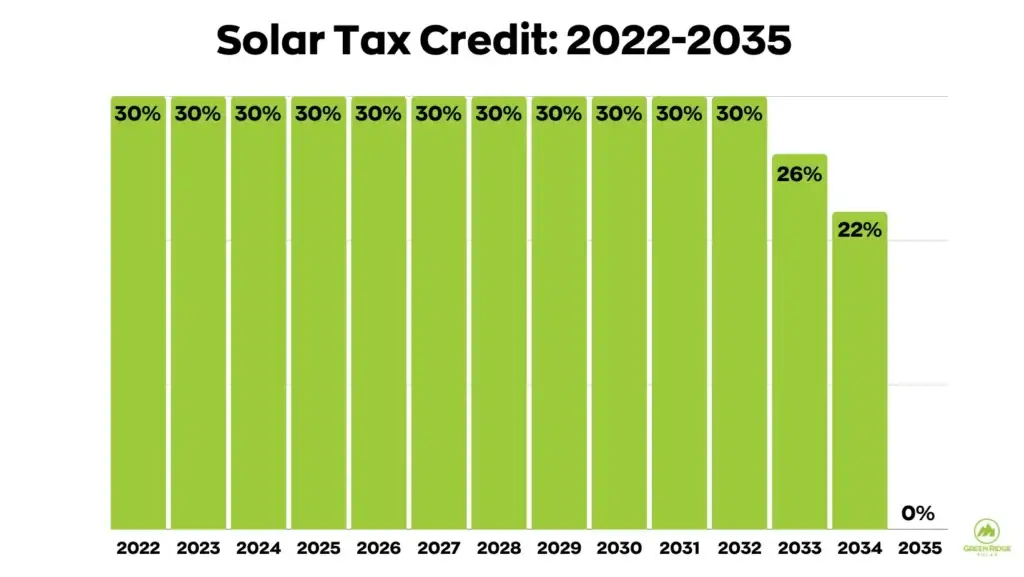
2022: Major Extension
- Credit increased back to 30% under clean energy legislation
- Initially extended through 2032
2025: Policy Revision
- Federal budget changes shorten timeline
- Credit ends early for residential ownership
2026: New Reality
- No federal tax credit for homeowner-owned solar systems
What Homeowners Lose in 2026
Higher Upfront Costs
Without the tax credit, homeowners now pay the full cost of installation. For a typical system costing $18,000–$25,000, this represents a loss of $5,000–$7,500 in savings.
Longer Payback Periods
Energy analysts estimate that payback periods may increase from around 7 years to more than 10 years, depending on electricity prices and local incentives.
Reduced Adoption Incentive
The removal of the credit may deter first-time buyers, especially middle-income households.
Case Study: A Homeowner’s Perspective
In Arizona, a homeowner who installed solar in late 2025 saved nearly $6,000 through the federal tax credit. A neighbor considering installation in 2026 faces the same system cost without the benefit.
“The difference is huge,” said the homeowner. “Without the credit, I probably would have delayed the decision.”
Such examples highlight how timing now plays a critical role in solar economics.
What Incentives Still Exist
Leasing and Power Purchase Agreements (PPAs)
Under these models:
- Solar companies install and own the system
- Homeowners pay monthly fees
- Companies still claim tax credits through 2027
While this reduces upfront cost, long-term savings may be lower compared to ownership.
Commercial and Utility-Scale Incentives
Businesses continue to benefit from federal incentives aimed at maintaining renewable energy growth.
State and Local Programs
States like California, New York, and Texas still offer:
- Rebates
- Net metering benefits
- Property tax exemptions
However, these vary significantly by region.
Who Benefits and Who Loses
Beneficiaries
- Solar leasing companies
- Large commercial developers
- High-income households less dependent on subsidies
Those Most Affected
- Middle-income homeowners
- First-time solar adopters
- Regions with limited state incentives
Market Impact: Industry Faces Adjustment
Industry analysts expect a short-term slowdown in residential solar installations. According to energy sector reports:

- Installation demand may decline in 2026
- Some companies are restructuring operations
- Workforce reductions are occurring in parts of the sector
However, long-term growth remains intact due to rising energy demand and climate commitments.
Expert Analysis: What Comes Next
Energy policy experts are divided on the impact. Some argue the market is mature enough:
“Solar has reached a level where it can compete without heavy subsidies,” said an energy economist at a U.S. research institute.
Others warn of setbacks:
“Removing incentives too early risks slowing progress toward clean energy goals,” said a policy analyst.
Should Homeowners Still Go Solar in 2026?
Advantages
- Protection from rising utility prices
- Long-term savings over system lifespan
- Environmental benefits
Challenges
- Higher upfront investment
- Longer return timelines
- Greater reliance on local incentives
Experts recommend careful financial analysis before proceeding.
Future Outlook: Will Incentives Return?
While no immediate federal replacement has been announced, policy experts suggest that future incentives could emerge, especially if solar adoption slows significantly. The U.S. government continues to prioritize clean energy, but the approach may shift toward:
- Targeted subsidies
- Grid modernization investments
- Support for large-scale renewable projects
Related Links
Canada Greener Homes Loan 2026: Status of the $40,000 Interest-Free Retrofit Loan
Best Solar Panel Snow Removal Tools 2026: Safe Ways to Keep Your Array Producing All Winter
The end of the 30% Solar Tax Credit for homeowners in 2026 marks a turning point in U.S. residential energy policy. While solar remains a viable long-term investment, the financial landscape has shifted, requiring homeowners to weigh costs more carefully.
As the industry adapts and policymakers reassess priorities, the future of rooftop solar will depend less on subsidies and more on market innovation and regional support systems.
FAQs
Is the 30% Solar Tax Credit completely gone?
It no longer applies to homeowner-owned systems installed in 2026, but remains available in limited forms such as leases and commercial projects.
Can I still claim it for a 2025 installation?
Yes. Systems installed before the end of 2025 remain eligible when filing taxes.
Are there cheaper alternatives?
Leasing, PPAs, and state-level incentives may help reduce upfront costs.
Will solar prices drop in the future?
Possibly. Industry competition and technology improvements may reduce costs over time.