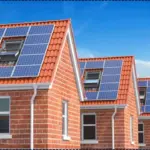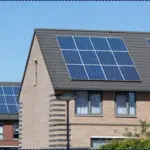

Solar tiles are redefining rooftop solar by integrating photovoltaic technology directly into roofing materials. Instead of mounting visible panels, homeowners can now install solar tiles that function both as a roof and as an electricity generator.
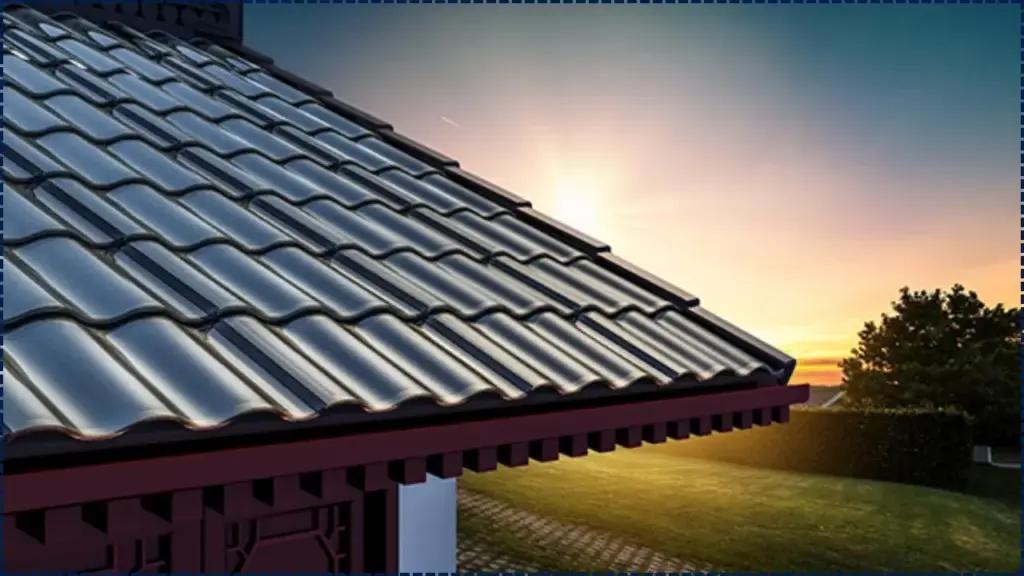
As rooftop solar expands globally and in India, solar tiles are emerging as a design-driven alternative that blends architecture with renewable energy.
Solar Tiles and the Evolution of Rooftop Energy
Solar tiles are part of a broader category known as building-integrated photovoltaics (BIPV). Unlike traditional solar panels mounted above existing roofs, solar tiles are embedded into the roofing structure itself.
According to the International Energy Agency (IEA), distributed solar generation is playing a central role in the global clean energy transition. Rooftop systems reduce transmission losses and decentralise electricity generation. Solar tiles take that concept further by eliminating the visual distinction between roofing and power generation.
In India, rooftop solar capacity continues to expand under national renewable missions. While conventional panels dominate, solar tiles are increasingly discussed in premium real estate developments and sustainable architecture projects.
How Solar Tiles Work
Solar tiles contain photovoltaic (PV) cells — typically monocrystalline silicon — embedded within tempered glass or specialised roofing composites. When sunlight hits the PV cells:
- Photons excite electrons within the semiconductor material.
- This generates direct current (DC) electricity.
- An inverter converts DC to alternating current (AC) for home usage.
Because solar tiles are integrated roofing elements, they serve dual purposes:
- Weather protection
- Electricity generation
This integration eliminates the need for mounting racks and reduces roof penetrations.

Cost Analysis: Initial Investment vs Long-Term Value
Solar tiles typically require full roof replacement, which increases upfront installation costs. Industry comparisons suggest:
- Conventional solar panels remain cheaper per watt.
- Solar tiles may cost significantly more in retrofit scenarios.
However, when a homeowner is already planning a new roof installation, the incremental cost difference narrows. Energy economists emphasise lifecycle cost rather than upfront cost alone. When considering:
- Roofing replacement costs
- Electricity savings
- Property value enhancement
- Government incentives
the long-term return on investment (ROI) can become competitive over 20–25 years.
Efficiency and Performance
Solar tiles generally have slightly lower peak efficiency compared to top-tier standalone panels. This is due to:
- Reduced airflow beneath integrated systems
- Smaller cell surface areas
- Aesthetic design constraints
However, manufacturers report steady improvements in performance metrics. Some advanced models approach conventional panel efficiencies. Experts stress that orientation, shading, and regional solar irradiance remain more influential factors than tile type alone.
Durability and Fire Safety Standards
Because solar tiles function as roofing material, they must meet both:
- Building code requirements
- Electrical safety standards
Manufacturers typically test for:
- Wind resistance
- Hail impact
- Waterproofing
- Fire resistance
In India, compliance with Bureau of Indian Standards (BIS) and local municipal regulations is essential. Insurance providers increasingly evaluate rooftop solar systems for fire risk. Solar tiles, being flush-mounted and integrated, may reduce certain risks compared to panel mounting brackets, though professional installation remains critical.
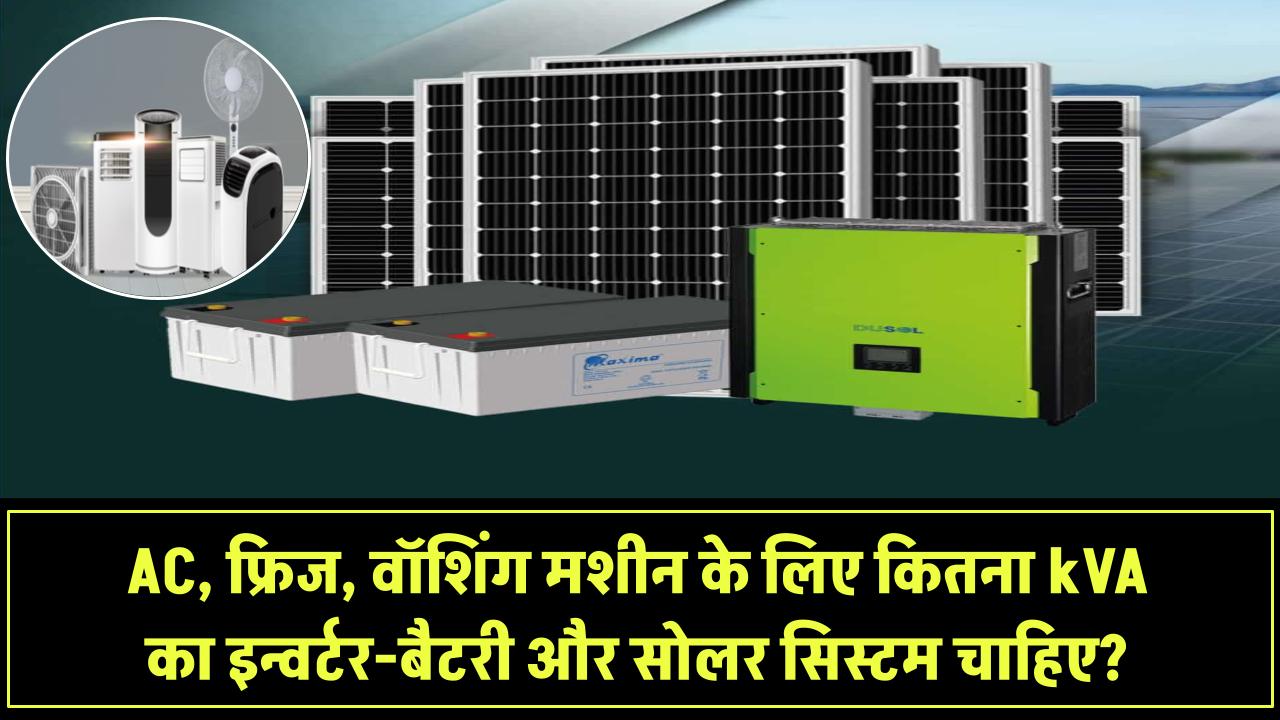
AC, फ्रिज, वॉशिंग मशीन के लिए कितना kVA का Inverter-Battery चाहिए? क्या सोलर से चल सकते हैं?
Environmental Footprint and Recycling
Solar tiles contribute to emission reductions by replacing fossil-fuel-based electricity generation. However, lifecycle environmental impact includes:
- Silicon cell manufacturing emissions
- Glass and composite material production
- End-of-life recycling challenges
The United Nations Environment Programme (UNEP) highlights the importance of photovoltaic recycling infrastructure as solar adoption grows globally. Developing efficient recycling systems for BIPV materials will be essential to ensure long-term sustainability.
Market Growth and Industry Outlook
The global building-integrated photovoltaics (BIPV) market is expected to grow steadily as sustainable building codes strengthen. Factors driving adoption include:
- Rising electricity tariffs
- Green building certifications
- Net-zero construction targets
- Architectural innovation
In India, luxury housing developers are increasingly marketing integrated solar roofing as a premium feature. Urban sustainability frameworks such as smart city initiatives may also encourage adoption.
However, mass-market penetration will depend on price reduction and installer training expansion.
Solar Tiles vs Solar Glass vs Solar Facades
Solar tiles are one form of BIPV. Other integrated solar technologies include:
- Solar glass windows
- Solar facades
- Transparent photovoltaic glazing
While solar tiles target rooftop surfaces, facade-integrated systems allow vertical electricity generation in dense urban environments. Architectural planners increasingly explore combining multiple BIPV elements to create energy-positive buildings.
Smart Home Integration and Energy Storage
Solar tiles are often paired with:
- Battery storage systems
- Smart energy management software
- Electric vehicle charging stations
Integrated monitoring systems allow homeowners to track generation, consumption, and grid export in real time. As electric vehicles become more common, rooftop solar solutions may support home-based charging infrastructure.
Policy Support and Incentives
In India, rooftop solar systems qualify for subsidies under central renewable schemes. Eligibility criteria focus on capacity and certification rather than design type. Globally, tax credits and feed-in tariffs have historically accelerated rooftop solar adoption.
Whether solar tiles gain wider market share will depend partly on policy neutrality between panels and BIPV systems. Energy policy analysts argue that long-term consistency in incentives is more important than short-term subsidies.
Urban Planning and Grid Impact
Distributed rooftop generation reduces transmission losses and grid strain during peak demand. Solar tiles may contribute to:
- Decentralised generation
- Reduced urban heat island effects
- Improved aesthetic compliance in dense neighbourhoods
Urban planners note that invisible or integrated systems face fewer zoning objections than large panel arrays.
Challenges to Widespread Adoption
Despite advantages, solar tiles face structural hurdles:
- Higher upfront costs
- Limited installer availability
- Complex repair procedures
- Lower flexibility for partial upgrades
Additionally, supply chains for solar tiles are not yet as mature as conventional panel manufacturing networks. Until economies of scale develop, solar panels will likely remain the dominant technology.

Balanced Expert Perspective
An energy systems analyst explains:
“Solar tiles are architecturally attractive and technically sound. However, their market expansion will depend on cost competitiveness and installer training.”
Similarly, a sustainable architecture consultant notes:
“Clients increasingly ask for invisible solar solutions. Solar tiles satisfy that demand but require careful structural planning.”
Related Links
2025 Eco Grants Revealed! Don’t Miss These Government Incentives for a Greener, Cheaper Home
Solar tiles represent an evolution rather than a replacement of conventional rooftop solar. By merging roofing material with photovoltaic technology, they offer aesthetic integration alongside renewable power generation.
While higher costs and supply constraints limit immediate mass adoption, improvements in efficiency, scale and policy support may expand their footprint. As cities pursue net-zero targets and sustainable construction, solar tiles could become a visible — or rather invisible — component of clean energy architecture.
For now, solar tiles remain a premium but promising innovation in the transition toward decentralised renewable power.