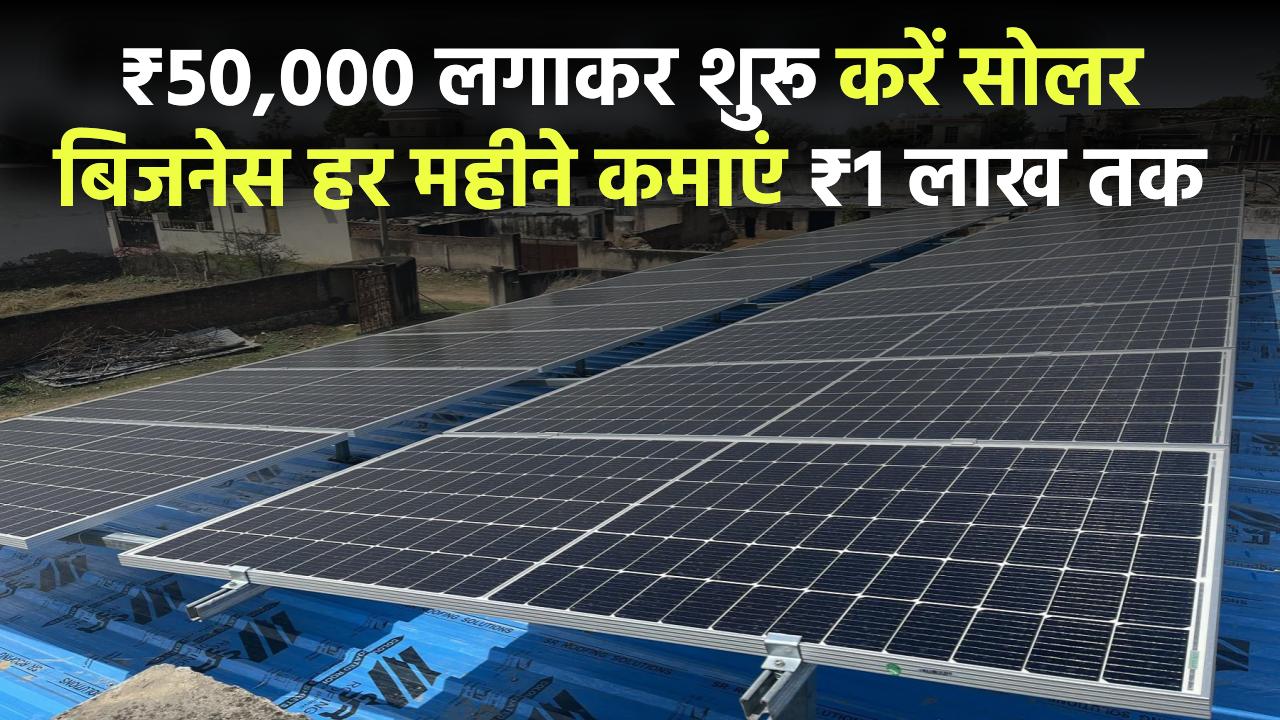

The future of solar power in India is set for a dramatic transformation with the arrival of solar tiles. Following the example of Tesla’s Solar Roof, which integrates photovoltaic cells directly into roofing materials, these sleek and innovative alternatives to traditional solar panels are now making their way to Indian homes.
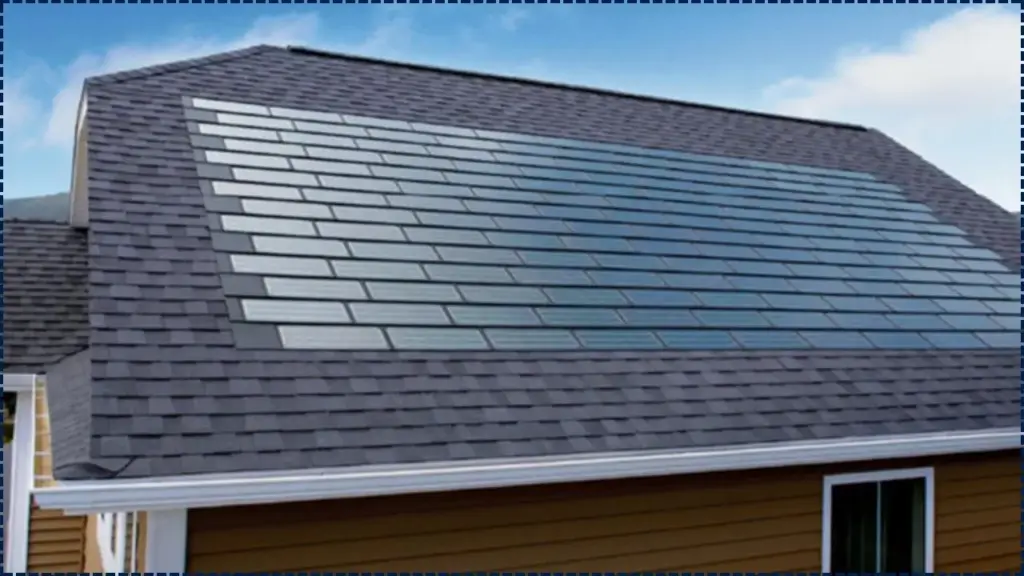
Offering a cleaner, more aesthetic, and integrated solution, solar tiles are not only changing how solar energy is harnessed but also how homes are powered and built.
Tesla-Style Roofs
| Key Fact | Detail/Statistic |
|---|---|
| What are Solar Tiles? | Solar tiles are photovoltaic materials integrated directly into roofing materials, replacing traditional panels. |
| Energy Efficiency | Solar tiles can generate similar or slightly lower efficiency compared to conventional panels, but they are far more visually appealing. |
| Availability in India | India is beginning to see solar tile products from global companies like Tesla and local innovators entering the market. |
What Are Solar Tiles and How Do They Work?
Solar tiles, also known as building-integrated photovoltaics (BIPV), are roofing materials that generate electricity by converting sunlight into power. Unlike traditional solar panels, which are mounted on top of existing roofs, solar tiles are directly integrated into the roof itself, offering a seamless and aesthetic design.
These tiles are made from photovoltaic (PV) materials, typically silicon or more advanced perovskite materials, that absorb sunlight and convert it into electricity. The energy generated is then directed into the home’s electrical system, just like the energy produced by conventional rooftop solar panels.
Tesla’s version of solar tiles is made from tempered glass, which serves as both a protective roofing material and a source of solar energy. These tiles are designed to resemble traditional roofing materials like slate or clay, blending with the overall design of a building while still performing as a functional solar system.

Tesla-Style Solar Roofs: A Game-Changer for the Indian Market?
Tesla’s solar roof is one of the most famous examples of solar tiles and has raised interest worldwide. While Tesla has yet to officially launch its Solar Roof in India, the country is seeing growing interest in solar roof tiles from both international manufacturers and domestic companies.
Why Solar Tiles Are Gaining Popularity
- Aesthetics: Solar panels can be visually disruptive, especially for homes with unique architectural designs. Solar tiles, however, blend seamlessly into the roof, providing a more aesthetic solution that doesn’t compromise the home’s look.
- Dual Functionality: Tesla’s tiles not only generate electricity but also act as roofing material, protecting the house from weather while serving as an energy source.
- Increased Efficiency: Although solar tiles are still in the developmental phase in India, their integration with energy storage systems, such as Tesla Powerwall, makes them more efficient for continuous power supply, even at night or during power outages.
Solar Tiles vs. Traditional Solar Panels: A Comparison
Installation and Aesthetic Impact
Traditional solar panels are large, rectangular, and need to be mounted on a roof structure, which can impact the appearance of a home. Solar tiles, on the other hand, replace the traditional roofing material and are often designed to look like normal roof tiles, making them a more appealing option for homeowners who prioritize aesthetics.
Efficiency and Performance
Solar tiles typically have a lower efficiency than traditional solar panels. The efficiency of Tesla’s solar tiles, for instance, is around 15-20% compared to 20-25% for conventional solar panels.
However, this difference may be offset by the dual functionality of solar tiles, which serve both as roofing material and energy production systems.
Cost and Long-Term Investment
Although the initial cost of solar tiles can be higher than traditional solar panels, this is counterbalanced by the dual function they offer, potentially eliminating the need for a separate roofing system.
Additionally, solar tiles come with warranties that can extend for up to 25 years, similar to traditional solar panel warranties, ensuring long-term savings on energy costs. (
How Solar Tiles are Shaping India’s Solar Future
Solar Adoption in India: A Growing Trend
India’s energy demand is increasing rapidly, and so is the country’s focus on renewable energy. Solar power, particularly rooftop solar installations, has seen substantial growth due to government incentives, such as the Solar Rooftop Subsidy Scheme.

As the market for solar power expands, solar tiles present an attractive alternative for homeowners who want to reduce their reliance on the grid without compromising on style.
India is already home to some of the world’s largest solar farms, but rooftop solar power is seen as key to achieving India’s ambitious renewable energy targets of 500 GW of non-fossil fuel capacity by 2030.
Local Manufacturers and Tesla’s Potential Impact
While Tesla has not yet officially launched its solar roof in India, there is a growing number of Indian manufacturers exploring solar roof tile technologies. Companies like Vikram Solar, Waaree Energies, and Luminous Power Technologies are working on innovations that bring solar tiles closer to the Indian market.
These products could serve as affordable alternatives to international products while maintaining similar functionality.
Indian manufacturers are also tailoring these solutions to local building codes and climates, where tiles can withstand the monsoon season and high temperatures, two key challenges faced in many parts of the country.
Financial and Environmental Benefits of Solar Tiles
Long-Term Cost Savings
The primary appeal of solar tiles is the potential for long-term cost savings. After the initial investment, homeowners can see substantial reductions in their energy bills, especially with solar energy storage systems that provide power at night.
Additionally, solar tiles can increase the value of a home by making it more energy-efficient and environmentally friendly. This could be especially important in regions where energy costs are high or where power outages are frequent.
Environmental Impact
India has set a goal of achieving net-zero emissions by 2070. Solar tiles, as part of a broader strategy to adopt clean energy solutions, play an important role in reducing the country’s reliance on fossil fuels.
Solar tiles generate clean electricity, helping to reduce CO₂ emissions and contributing to the global fight against climate change. According to estimates, each kilowatt of solar energy can reduce 1.5 tons of CO₂ emissions per year.
Challenges to Solar Tile Adoption in India
High Initial Investment
While solar tiles are promising, the high initial cost remains a barrier to entry for many Indian homeowners. Solar panels are still considered a more affordable alternative, and even though government incentives are available, they may not be sufficient to cover the upfront cost of a solar tile system.
Lack of Awareness and Technical Expertise
Many homeowners in India may not be fully aware of the benefits of solar tiles, and there is also a lack of technical expertise to install and maintain them. This gap in knowledge and expertise could slow down the adoption of solar tiles, especially in rural areas where awareness of clean energy technology is limited.

Related Links
Solar tiles represent the next frontier in India’s solar revolution, offering an integrated, aesthetically pleasing, and functional alternative to traditional solar panels. While the technology is still emerging, the potential benefits — including cost savings, environmental impact, and home value enhancement — make it a promising solution for those looking to invest in solar energy.
With global leaders like Tesla, alongside local innovators, solar tiles are poised to shape the future of clean energy in India in the coming years.