India’s ‘Solar Village’ Contest Sparked initiative, the “Solar Village” contest, has transformed rural energy landscapes across the country.
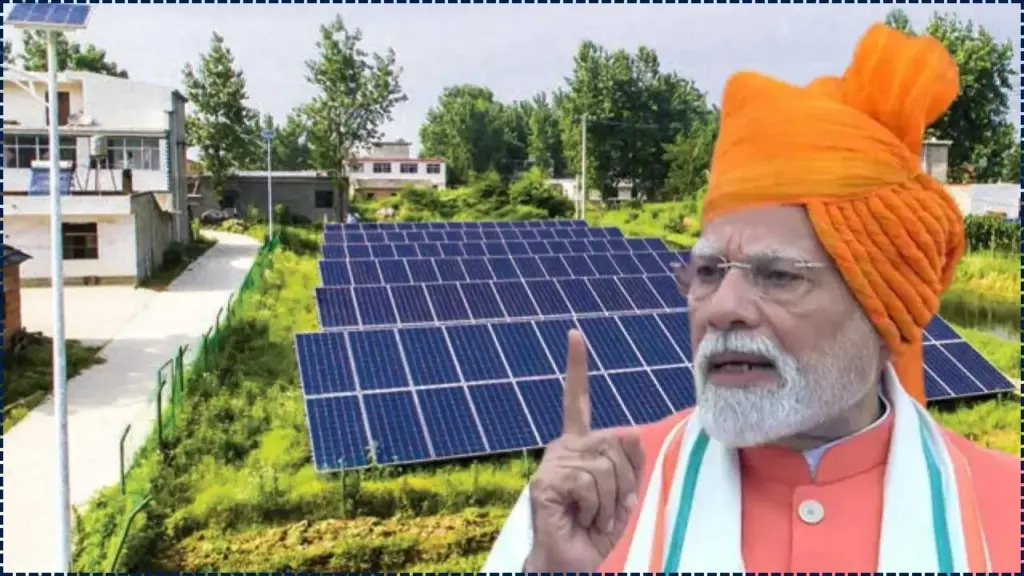
By tying financial incentives to the number of rooftop solar installations, this contest has sparked a revolution in solar energy adoption, empowering rural India with self-sufficiency, reducing energy costs, and supporting India’s broader clean energy targets.
What is the “Solar Village” Contest?
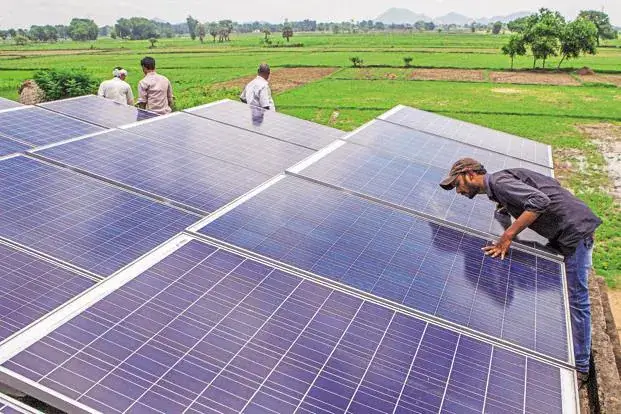
The Solar Village contest is part of India’s broader initiative to accelerate rooftop solar adoption in rural and semi-urban areas. This initiative is implemented under the Pradhan Mantri Surya Ghar: Muft Bijli Yojana, launched by the Indian government in 2024.
It encourages villages to install rooftop solar systems in competition with one another, rewarding the top performers with financial incentives and the recognition of being named a “Model Solar Village.”
The contest has been an innovative way to bring distributed renewable energy to India’s most underserved regions, where traditional grid infrastructure may not be reliable or sufficient.
The initiative has been structured around measurable goals, rewarding villages based on the amount of rooftop solar capacity they install and their participation in the larger renewable energy movement.
In addition to central financial incentives, successful villages are also eligible for further grants and support for future renewable energy projects, creating an ongoing cycle of clean energy adoption and improvement.
The Power of Healthy Competition: How the Contest Works
The Solar Village contest combines community engagement with performance-based incentives. Villages are assessed based on their:
- Number of rooftop solar systems installed on homes, schools, government buildings, and local institutions.
- Engagement in solar awareness campaigns within the village.
- Local leadership and the collective will to drive solar adoption.
This format encourages entire communities — rather than just individual households — to come together and work towards a shared energy goal, turning the adoption of solar energy into a community-driven movement.
Village councils, local women’s groups, youth organisations, and even school children have been key players in driving these efforts, significantly boosting participation across villages. This collective sense of responsibility is one of the central reasons for the contest’s success.
Early Success Stories: Rural India Lights Up with Solar
Several villages across India have already showcased exceptional performance in the Solar Village contest, leading to massive solar installations in rural areas. One notable example is Ghudani Kalan village in Punjab, which emerged as the winner of its district after installing over 200 kW of solar capacity through residential and public installations.
This success was largely driven by grassroots efforts, where the entire community participated in raising awareness, mobilising funds, and organising solar installations on homes, schools, and public buildings.
In Madhya Pradesh, Pachmarhi village emerged as a runner-up with over 100 kW of solar capacity installed. The village used its grant to fund further solar projects, including solar street lighting, and solar-powered community kitchens, which not only reduced electricity bills but also created cleaner, more efficient public infrastructure.
Such success stories are being replicated across Bihar, Uttarakhand, Rajasthan, and many other states, with solar adoption surging in areas that were previously unconnected to the main grid or struggled with inconsistent electricity supply.

Financial Benefits for Rural Communities
Cost Savings on Energy Bills
One of the key benefits of the Solar Village contest has been the reduction in energy costs for rural households. Solar energy is now enabling rural homes and institutions to generate their own electricity, reducing their reliance on expensive grid power or costly diesel generators.
For example, rural households in Uttarakhand and Madhya Pradesh that have installed solar panels have reported savings of ₹3,000–₹6,000 per month on electricity bills. This is especially crucial in areas where electricity tariffs are high or where power outages are frequent.
New Job Opportunities
Along with financial savings, the installation of solar panels has created new job opportunities in rural areas. From solar panel installation to ongoing maintenance, a skilled workforce is emerging to support India’s solar revolution.
The Solar Village contest has led to a surge in local employment, especially for youth groups trained in solar system installation and maintenance. Local entrepreneurs have also set up businesses offering solar services, contributing to economic growth within the community.
Government Policies Supporting Solar Village Contest
The Solar Village contest is supported by multiple government policies designed to make solar energy more accessible and affordable for rural India. These include:
- Pradhan Mantri Surya Ghar Yojana: This initiative provides subsidies for the installation of rooftop solar systems in rural areas, lowering the upfront costs for households and small businesses.
- Solar Power Purchase Agreements (PPAs): Rural areas are incentivised with long-term agreements to purchase solar power at guaranteed rates, ensuring financial predictability.
- PLI Scheme: The Production-Linked Incentive (PLI) scheme incentivises domestic manufacturing of solar equipment, helping to drive down the costs of panels and equipment for rural users.
These policies, combined with financial grants from the Solar Village contest, have significantly increased solar adoption and reduced the financial barriers to renewable energy access for rural populations.
Environmental Benefits: Reducing Carbon Footprints
The environmental impact of the Solar Village contest is substantial. By shifting to solar power, rural India has been able to reduce its dependence on polluting fossil fuels like coal and biomass, both of which have adverse environmental and health effects.
In areas where firewood and kerosene were once primary sources of energy, the shift to solar has resulted in cleaner air, reduced deforestation, and a decrease in local carbon emissions.
The transition to solar-powered irrigation systems has also helped conserve water resources by eliminating the need for diesel-driven pumps.
अब किसान बनेंगे बिजली उत्पादक! खुद का सोलर प्लांट लगाएं और कमाएं लाखों – आवेदन शुरू, मौका न चूकें
Challenges and the Path Ahead
Despite the tremendous success of the Solar Village contest, challenges remain:
- Financing Gaps: For households in very remote areas, even with subsidies, financing the upfront costs of solar systems can still be a barrier.
- Technical Maintenance: Ensuring long-term functionality of solar systems is crucial. Ongoing training for local technicians and creating accessible repair services will be necessary to maintain systems.
- Grid Connectivity Issues: In some parts of rural India, the grid infrastructure remains inadequate, making it difficult to integrate solar into the grid reliably.
These challenges underscore the need for sustained investment in solar infrastructure, as well as continued education and support for local communities.
Related Links
Solar Tiles: Replace Panels with ‘Solar Tiles’; Beautiful Roofs That Generate Free Power.
Scaling Solar in Rural India
The success of the Solar Village contest highlights a critical turning point in rural energy access. The momentum generated by this initiative can serve as a model for other countries looking to decentralise energy production and improve rural electrification.
The next phase of the Solar Village programme will aim to expand its reach, covering even more districts, while building on the lessons learned in the initial phases.
As India’s solar capacity continues to grow, the future looks bright for rural areas, where access to clean, affordable energy is no longer a distant dream.
The Solar Village contest has sparked a rooftop solar revolution across rural India. By combining community-driven competition with government support, it has not only provided affordable electricity to rural households but has also fostered economic growth, created jobs, and significantly reduced carbon emissions.
As more villages take part in this initiative, India’s transition to a greener, more sustainable energy future is accelerating — proving that even in the most remote regions, clean energy can light the way.