A new hybrid energy system combining solar panels with small wind fans is set to revolutionize home energy. This innovation provides 24/7 clean energy, offering homeowners the ability to generate power even at night, when traditional solar systems fall short.
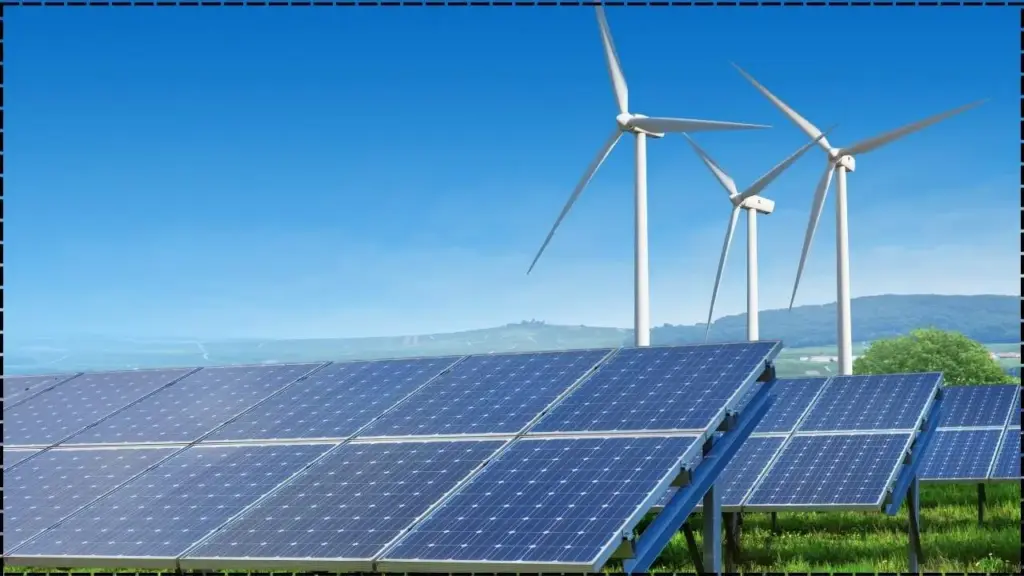
By harnessing both the sun and wind, this hybrid solution promises a greener, more reliable, and cost-effective alternative to traditional fossil fuel-powered electricity.
How Solar with Fans Works: A Hybrid Approach to Home Energy
Solar Power by Day, Wind Power by Night
Traditional solar panels rely on sunlight to generate electricity, which is why they stop working at night. The new hybrid system, however, combines solar energy with wind energy to solve this problem.
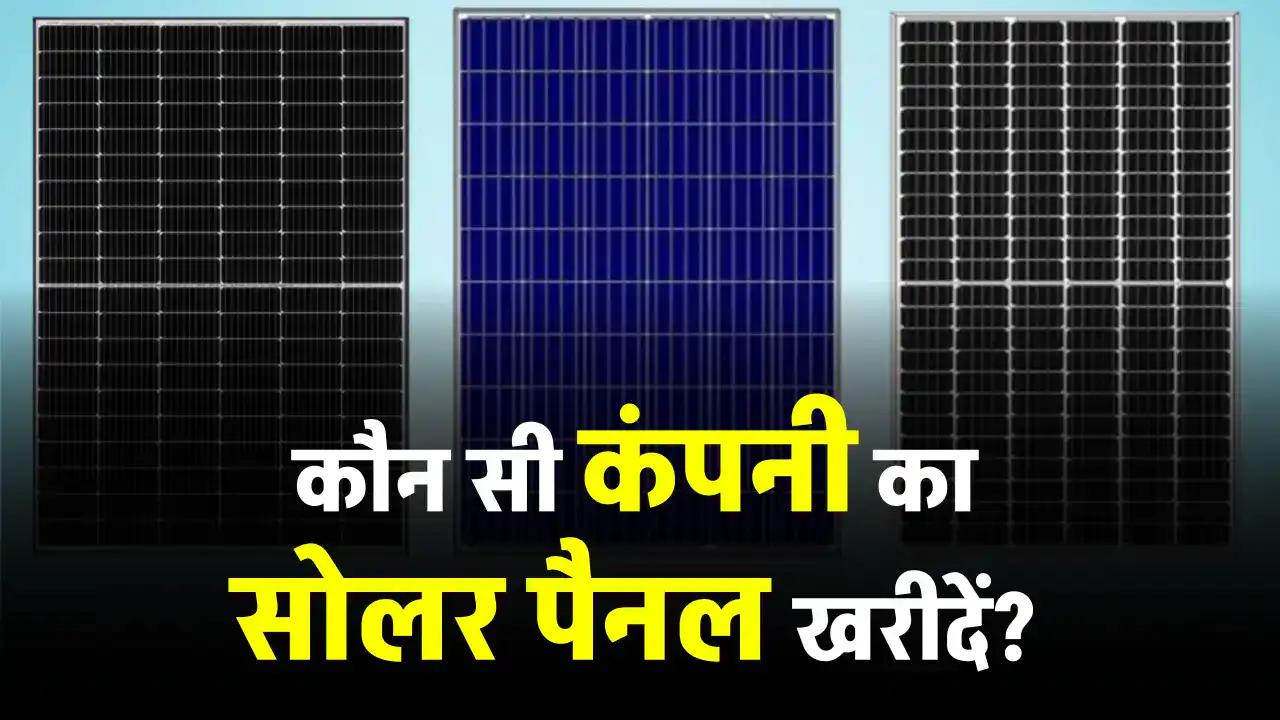
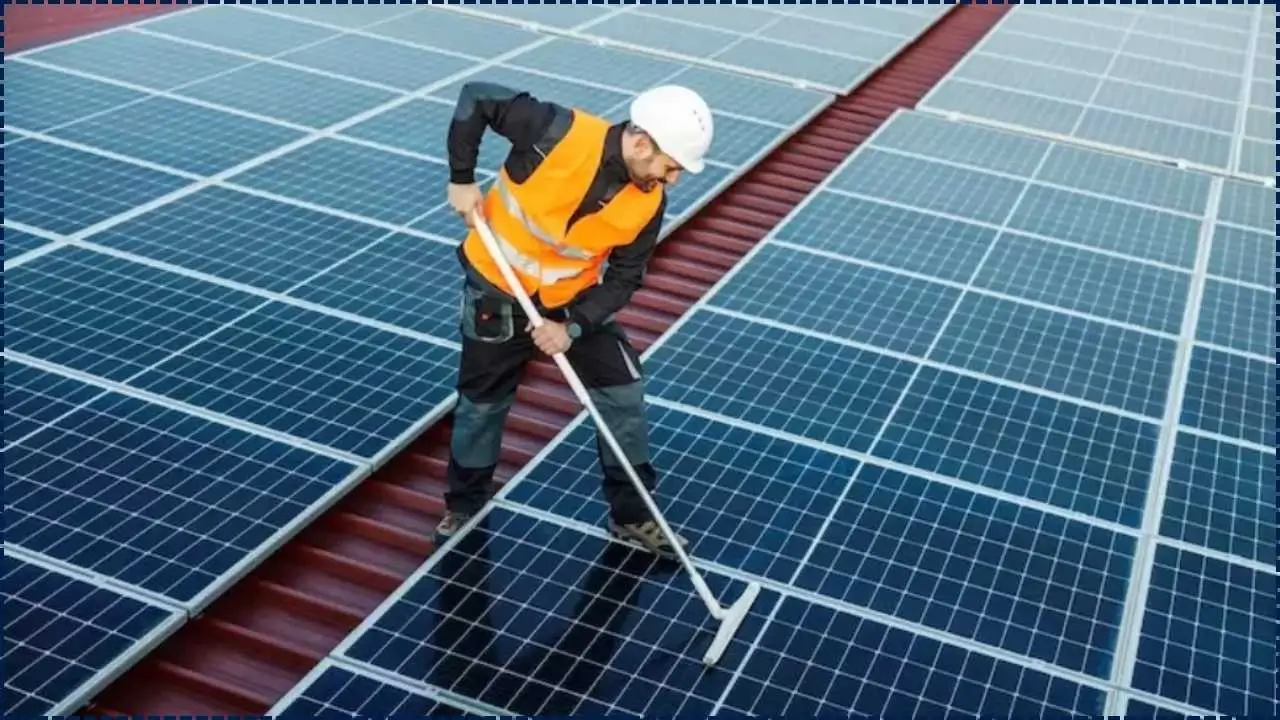
- Solar Panels: The system’s photovoltaic panels convert daytime sunlight into electricity.
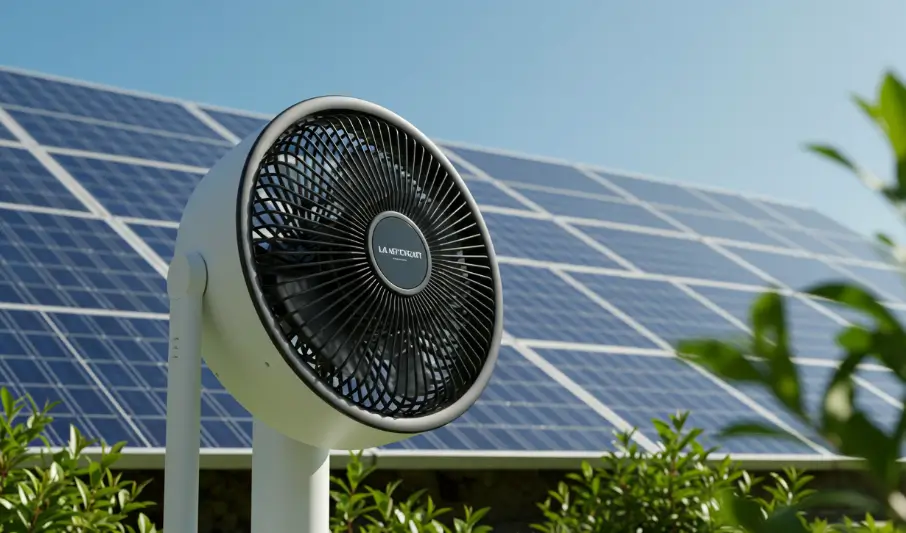
- Wind Fans: Small vertical‑axis wind turbines, often referred to as wind fans, provide additional power during the night or on overcast days when solar energy is not available.
Wind fans generate electricity by harnessing wind, which typically increases in speed during the evening and night.
This makes the hybrid system efficient around the clock, ensuring that homeowners can generate clean energy even after sunset, without relying on battery storage or grid power. (Source)
Key Benefits of the Hybrid Solar with Fans System
1. Continuous Power Generation
One of the main advantages of this hybrid system is its ability to provide continuous power. Traditional solar systems cannot generate electricity at night, forcing homeowners to rely on batteries or the grid.
However, the combination of solar panels and wind turbines enables the system to capture energy at different times of the day and night.
- Daytime: Solar panels produce electricity as long as the sun is shining.
- Nighttime: Wind fans continue to generate electricity as long as there is wind, which often picks up at night.
By producing electricity around the clock, this hybrid system ensures that your home can rely on clean, renewable energy 24 hours a day, without any gaps in power generation.
2. Reduced Dependence on Grid Power
Hybrid solar with fans can drastically reduce your reliance on the grid. With 24-hour power generation, this system allows homes to operate independently of traditional energy providers, especially in areas where electricity supply is inconsistent or unreliable.
- Energy independence: You are less dependent on the grid, especially in rural areas or places with unreliable electricity supply.
- Cost savings: By reducing your reliance on purchased electricity, homeowners can significantly lower their monthly energy bills, often paying only for maintenance and any excess energy they choose to store or sell back to the grid.
This is a significant advantage for homeowners looking to reduce their energy costs while contributing to environmental sustainability.
3. Lower Battery Storage Requirements
In a traditional solar setup, battery storage is essential for storing energy to be used during the night. However, this often comes with high costs and maintenance.
With the hybrid solar and wind system, the wind fans provide power during the night, meaning homeowners will need fewer batteries to store power, lowering capital costs.
Wind energy complements solar power, reducing the overall reliance on large battery storage systems and making the system more efficient and cost-effective.
4. Environmentally Friendly
Both solar and wind power are clean, renewable sources of energy. By integrating wind turbines with solar panels, this hybrid system reduces reliance on fossil fuels and helps mitigate the environmental impact of traditional energy sources.
The environmental benefits include:
- Lower carbon footprint: By using clean energy, homeowners can reduce their CO₂ emissions, contributing to India’s overall goal of reducing greenhouse gas emissions and combating climate change.
- Sustainability: The hybrid system is aligned with global efforts to promote sustainable living and reduce energy consumption from polluting sources.
According to a report by the International Renewable Energy Agency (IRENA), such hybrid systems could significantly contribute to reducing reliance on fossil fuels, making them crucial for India’s green energy future.
Challenges of Hybrid Solar and Wind Systems
1. Installation and Maintenance Costs
While hybrid systems offer numerous benefits, their initial installation costs can be higher than traditional solar systems. The cost of wind turbines, in addition to solar panels and batteries, can add to the upfront expense of setting up the system.
However, over time, the system pays for itself through energy savings and reduced dependence on the grid. Many hybrid systems also qualify for government subsidies or incentives, which help offset installation costs. (Source)
2. Space Requirements
For a home to fully benefit from a hybrid solar and wind system, it needs sufficient space for both solar panels and wind turbines. Wind turbines typically require a clear area with unobstructed wind flow to function effectively, which can be a challenge in densely populated urban areas.
While residential wind turbines are smaller than their industrial counterparts, they still need an appropriate installation area, often requiring a rooftop or open yard.
3. Wind Variability
The system’s performance depends heavily on the availability of wind. While wind turbines work well at night, they are less efficient on calm nights or during the dry season when wind speeds are low. The system’s overall efficiency will vary based on local wind patterns.
- Solution: Hybrid systems with adjustable wind turbines that can optimize performance based on local wind conditions are being developed, ensuring consistent power generation. (Source)
Cost Breakdown and Return on Investment (ROI)
The initial setup costs for a hybrid solar-wind system typically range between ₹1.5 lakh to ₹4 lakh for residential applications, depending on the size of the system and the local infrastructure.
- Solar panels: ₹60,000–₹2 lakh (depending on wattage)
- Wind turbines (fans): ₹80,000–₹1.5 lakh
- Inverters and battery systems: ₹30,000–₹50,000
- Installation and maintenance: ₹10,000–₹30,000 per year
While the upfront costs may seem significant, the return on investment is generally seen within 5–8 years due to energy savings and reduced electricity bills.
Over a 20-year lifespan, the homeowner may save anywhere between ₹2 lakh and ₹5 lakh, depending on energy consumption, local wind conditions, and the utility tariff in the area.
Local Success Stories and Real-World Applications
Case Study 1: Rural Maharashtra
In rural Maharashtra, a farm in Nashik adopted a hybrid solar-wind system in 2022, significantly reducing their reliance on the grid. By using wind fans to generate power during the night and solar panels during the day, they have reduced their electricity costs by 30%. This success story highlights the potential for hybrid systems in rural India, where traditional grid access can be unreliable.

Case Study 2: Urban Delhi
A residential building in South Delhi with limited space for large installations has implemented a compact solar-wind hybrid system on its rooftop. Despite lower wind speeds in the area, the system has achieved consistent energy generation, especially during the monsoon season, and the family has reported a 20% decrease in monthly power bills.
Government Policies and Financial Support
Subsidies and Incentives
The Indian government has launched several incentives and subsidies to encourage the adoption of renewable energy systems, including hybrid solar-wind setups. These include subsidies for installation, tax breaks for solar energy systems, and grants for rural areas through the MNRE (Ministry of New and Renewable Energy).
The KUSUM Scheme, designed to promote solar energy in rural areas, also extends benefits to hybrid systems, making it more accessible to farmers and small businesses.
The Future of Hybrid Home Energy
Innovation and Upgrades
Ongoing research is expanding hybrid capabilities. Some systems now use advanced predictive algorithms and smart management to optimise generation and battery use based on weather forecasts and real-time conditions.
Battery technology advances — including faster charging and longer lifetimes — are also enhancing the viability of hybrid setups for residential use.
FAQs
How do hybrid solar and wind systems work?
Hybrid systems use both solar panels and small wind turbines to generate electricity. Solar panels produce power during the day, while wind turbines generate electricity at night, ensuring continuous power generation.
What are the benefits of using a hybrid system?
Hybrid systems provide 24/7 clean energy, reduce reliance on the grid, lower energy bills, and contribute to a sustainable future by reducing carbon emissions.
Are hybrid systems suitable for urban homes?
While hybrid systems work best in rural or less congested areas, many urban homes with rooftops or adequate space can benefit from these systems, especially with smaller, more efficient wind turbines.