Shares of Suzlon Energy Ltd. experienced a notable decline on February 20, 2026, after the company reported receiving a penalty notice from a government regulatory authority. The penalty, issued by the Directorate General of GST Intelligence (DGGI), relates to non-compliance with Goods and Services Tax (GST) laws, sparking concerns among investors and analysts.

The penalty news has led to a sharp drop in Suzlon’s stock price, raising questions about the potential impact on the company’s financial stability, operational integrity, and long-term growth prospects.
The Penalty and Its Impact on Suzlon Energy’s Stock
Following the announcement, Suzlon Energy’s stock plunged by 2%, closing at ₹44.60 on the National Stock Exchange (NSE), down from the previous day’s close of ₹45.53. The market reaction highlighted the sensitivity of Suzlon’s stock to regulatory concerns, especially when related to its compliance and financial management.
What Was the Penalty?
The penalty relates to GST discrepancies tied to Suzlon’s manufacturing and supply chain operations. The DGGI notified Suzlon that it had failed to meet certain GST compliance requirements, resulting in the fine.
Although the company did not immediately disclose the total amount of the penalty, the notice has raised concerns about possible operational inefficiencies and non-compliance issues within the company’s supply chain and financial management.
This is not the first time Suzlon has been involved in regulatory matters. Previous instances have also resulted in fines, although they have not been significant enough to severely impact the company’s long-term projects. However, the recurring nature of these issues may prompt investors to reassess the company’s risk profile.
Investor Sentiment and Short-Term Reaction
The immediate impact on Suzlon Energy’s share price is driven largely by investor sentiment. In sectors like renewable energy, where market expectations are closely tied to regulatory compliance and corporate governance, any negative news regarding financial penalties can cause rapid declines in stock value.
Analysts suggest that short-term traders are often highly reactive to regulatory news, and Suzlon’s vulnerability to such events may result in heightened volatility.
The company’s market capitalization, currently hovering around ₹45.00 per share, is highly sensitive to any regulatory issues due to Suzlon’s complex supply chain, high debt burden, and recent struggles with profitability.
What Are Investors Concerned About?
Investors are likely concerned about the following factors:
- Regulatory Risks: The penalty notice raises questions about Suzlon’s compliance with Indian tax laws, which could affect its ability to secure future contracts or investments.
- Operational Delays: Suzlon has faced project delays in the past, and regulatory issues might contribute to further slowdowns.
- Reputation Risks: As one of India’s largest renewable energy firms, Suzlon’s reputation is crucial for attracting new contracts and investors. Frequent penalties could harm its long-term credibility.
- Financial Stability: A significant fine, if disclosed, could affect the company’s financial position, especially considering its debt obligations and project financing.
Suzlon Energy’s Historical Regulatory Challenges
This penalty is not the first regulatory issue for Suzlon. Over the years, the company has dealt with various compliance challenges linked to its complex manufacturing processes, imports, and tax returns. Some of the past incidents include:
- 2019: Suzlon was penalized for discrepancies in customs duties related to wind turbine components imported for project installations.
- 2024: A similar penalty related to GST filings arose, which Suzlon was able to resolve with a smaller financial impact.
While these penalties have not derailed Suzlon’s business model in the long term, they have contributed to the perception of a higher-risk profile compared to its peers in the renewable sector. Regulatory concerns often linger in investors’ minds, contributing to short-term stock fluctuations.

How Does This Fit into Suzlon’s Larger Financial Picture?
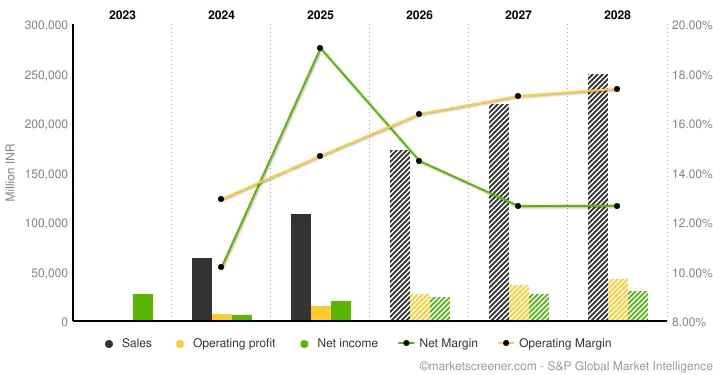
Suzlon Energy has been undergoing significant corporate restructuring in recent years, with efforts aimed at reducing debt and improving profitability. Despite some recent positive developments, including new solar and wind projects, the company remains under financial pressure due to its substantial debt burden.
Suzlon’s order book has shown growth, and its wind energy installations continue to make up a large part of its business. However, the company faces intense competition from global manufacturers and developers in the renewable energy space.
High-level executive turnover, rising raw material costs, and regulatory hurdles have all posed challenges to Suzlon’s efforts to maintain consistent profitability.
Broader Market Context: Renewable Energy Stocks and Regulatory Scrutiny
Suzlon Energy is not alone in facing regulatory scrutiny. The broader renewable energy sector in India and globally has come under increasing regulatory and compliance pressures as governments tighten regulations on taxes, imports, and energy subsidies.
In the past year, several prominent renewable energy firms in India have faced penalties related to GST compliance, environmental regulations, and labor laws. This trend of regulatory action has heightened awareness among investors, making them more cautious about companies with complex operational footprints like Suzlon.
The Indian government is also placing more emphasis on transparency, corporate governance, and environmental compliance as it continues to push for renewable energy growth. This is in line with India’s ambitious goals of achieving 500 GW of non-fossil fuel capacity by 2030, which necessitates stricter enforcement of industry standards.
What Does the Future Hold for Suzlon?
Despite this penalty news, Suzlon Energy still has a robust pipeline of wind and solar projects in various stages of development.
The company’s renewable energy portfolio, especially in wind turbine manufacturing, is one of the largest in India, giving it a strategic edge as the country aims to meet its renewable energy targets.

Key drivers for Suzlon’s future stock performance will depend on:
- Project Execution: Suzlon’s ability to deliver on current and upcoming contracts will be critical in restoring investor confidence.
- Debt Reduction and Financial Health: The company must continue its efforts to reduce debt and improve operational efficiency.
- Policy and Regulatory Developments: Any changes to taxation policies, subsidy frameworks, or government incentives will directly impact Suzlon’s bottom line.
- Global Expansion: Suzlon has international growth opportunities in markets like the Middle East and Southeast Asia, where renewable energy demand is increasing.
However, the penalty serves as a reminder of the need for consistent regulatory compliance in all areas of operation. Future penalties or delayed resolutions could affect the company’s reputation and its ability to secure future business.
Related Links
Gravity Battery: Generate Power by Dropping Weights; A Revolutionary New Energy Invention.
Flywheel Storage: Store Electricity Without Batteries! Understanding Flywheel Technology.
What Should Investors Do?
The penalty announcement and subsequent stock drop should serve as a cautionary note for investors monitoring Suzlon Energy. While the company’s long-term growth potential in the renewable sector remains intact, short-term volatility is likely to continue as Suzlon navigates both regulatory challenges and operational risks.
For long-term investors, the key will be whether Suzlon can effectively manage its compliance issues, continue to reduce debt, and leverage its renewable energy projects to drive sustained growth.
For short-term traders, stock movements may continue to be influenced by similar regulatory updates and market reactions.
Suzlon Energy remains a pivotal player in India’s renewable energy landscape. However, for investors, maintaining a balanced portfolio and closely following the company’s developments will be key to managing risk in the sector.