

The concept of transparent solar windows, a new frontier in building-integrated photovoltaics (BIPV), is sparking global interest for its potential to revolutionize energy generation in cities. These windows, which look like ordinary glass but generate electricity from sunlight, promise to reduce reliance on traditional solar panels.
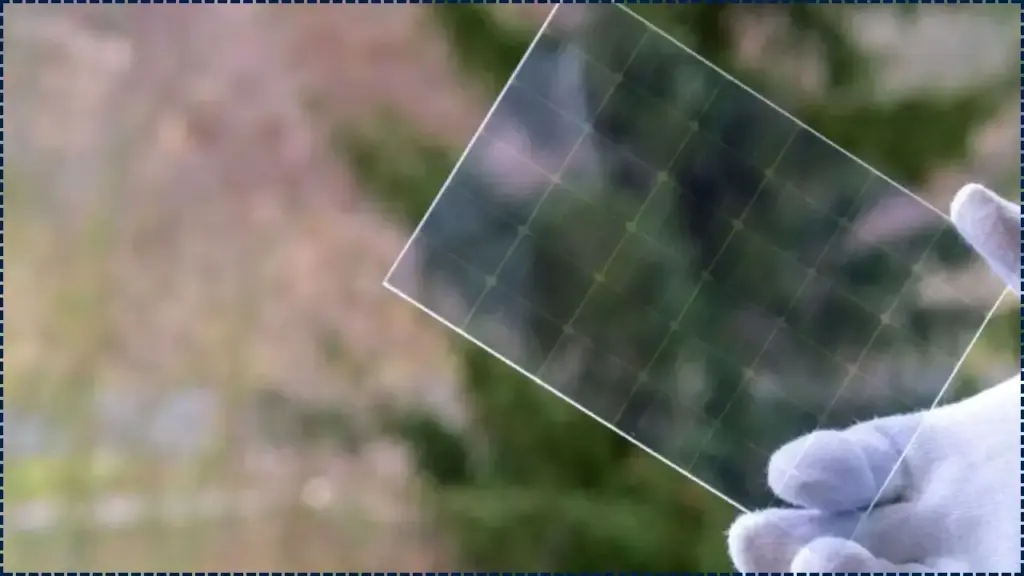
However, experts warn that while promising, the technology may face significant technical, regulatory, and economic challenges before it can fully replace traditional glass by 2030.
The Invisible Grid
| Key Fact | Detail/Statistic |
|---|---|
| Current Efficiency | Transparent solar windows currently achieve 5-12% efficiency |
| Commercial Use | Currently limited to early-stage pilots and niche markets |
| Projected Urban Impact | Could contribute significant energy generation in urban areas |
| Production Costs | Higher than traditional glass, but could fall with mass production |
What Are Transparent Solar Windows?
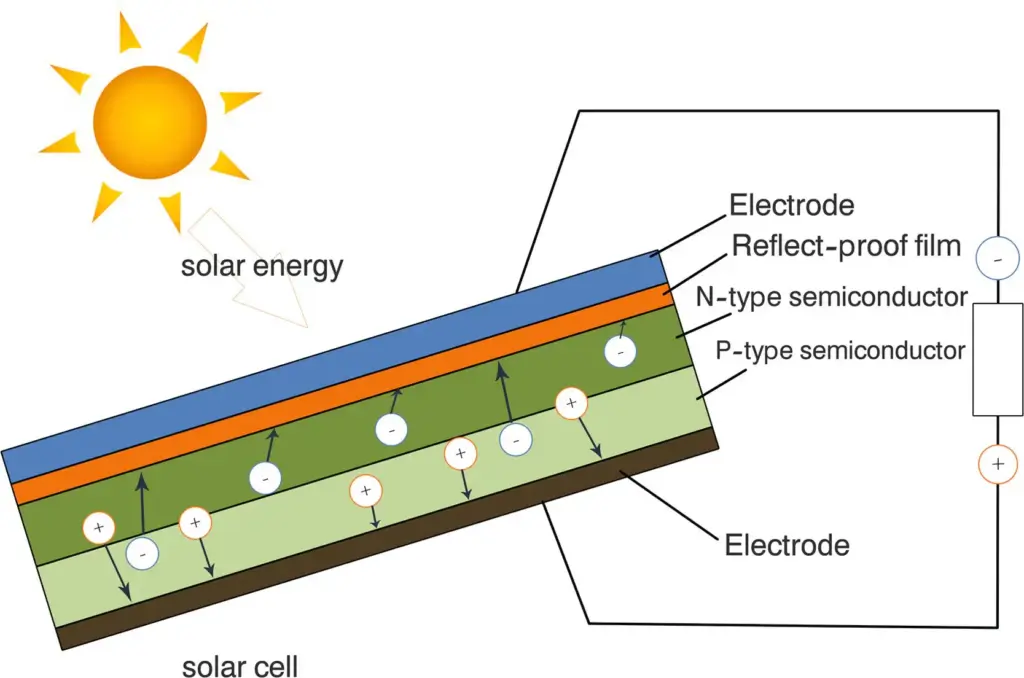
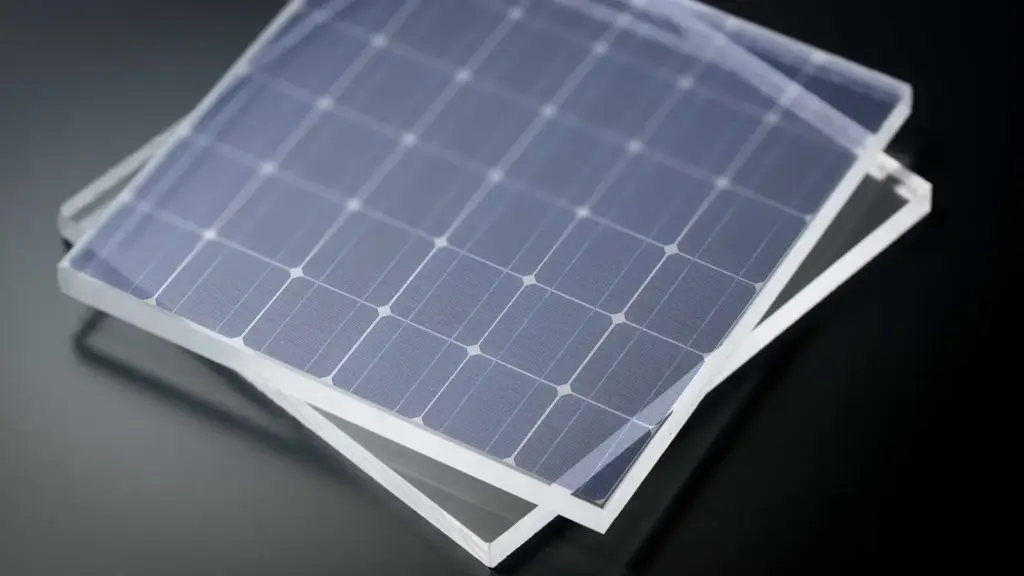
Transparent solar windows combine the aesthetic appeal of regular glass with the energy-generating properties of traditional solar panels. These windows allow sunlight to pass through, while simultaneously capturing ultraviolet (UV) and infrared (IR) light — the non-visible wavelengths that comprise a significant portion of sunlight.
The energy captured is then converted into electricity, typically by solar cells embedded around the perimeter of the window or through specialized materials like luminescent solar concentrators (LSCs). (build-up.ec.europa.eu)
These systems can be integrated directly into the structure of buildings, replacing traditional glass with a sustainable, energy-generating material. As urban environments increasingly prioritize energy efficiency, transparent solar windows hold the potential to turn every glass surface — from windows to façades — into a power-generating element.
Technological Advancements and How They Work
The key to transparent solar windows lies in their ability to capture non-visible wavelengths of light while still allowing visible light to pass through. Currently, most of these technologies rely on luminescent solar concentrators (LSCs) and selective absorption photovoltaics.
- Luminescent Solar Concentrators (LSCs): These systems absorb UV and IR light and guide it to the edges of the glass, where small solar cells convert the light into electricity. The glass remains clear to visible light, allowing natural daylight into the building.
- Quantum Dots and Organic Photovoltaics: Researchers are experimenting with quantum dots and organic materials to increase efficiency while maintaining transparency. These materials are more flexible than silicon-based solar cells and are a focus of ongoing research.
While these systems have shown promise, efficiency remains a challenge. Transparent solar windows currently achieve only 5-12% efficiency, compared to the 20-25% typical for traditional solar panels. This difference in performance is the primary hurdle in replacing conventional glass on a large scale.
Current Barriers to Mass Adoption
Efficiency and Energy Yield
Efficiency is the primary technical obstacle to the widespread adoption of transparent solar windows. While traditional solar panels can capture a larger portion of the sunlight spectrum, transparent windows sacrifice some efficiency to maintain their optical transparency.
Currently, the conversion efficiency is not enough to match the power output of opaque solar panels, making it difficult for transparent solar windows to compete for large-scale applications.
For transparent solar windows to replace traditional glass, they need to achieve efficiencies that are comparable to or exceed the output of conventional solar panels. Researchers are working on new materials like perovskites and quantum dots, which may increase efficiency while retaining the glass’s transparency.
Cost and Production Scale
Despite their potential, the cost of transparent solar windows remains high, largely due to the complexity of the materials and manufacturing processes involved. Specialized coatings, nano-engineered materials, and emerging technologies are more expensive to produce than traditional glass or solar panels.

Currently, transparent solar windows are generally more expensive per square meter than conventional building materials. In order for them to replace traditional glass in construction, production costs would need to be significantly reduced through mass production and improved manufacturing methods.
Durability and Long-Term Performance
Durability is another concern. While traditional glass has been proven to withstand the elements for decades, the long-term performance of transparent solar windows is still untested at a large scale.
This uncertainty surrounding the lifespan and maintenance of transparent solar windows could hinder their widespread adoption, especially if early prototypes show signs of degradation over time.
Global Efforts and Market Readiness
Pilot Projects and Early Adoption
Some cities and institutions are already experimenting with transparent solar windows in pilot projects. For instance, the U.S. Department of Energy has funded research into building-integrated photovoltaics (BIPV), including transparent solar windows.
Companies like Ubiquitous Energy have already started testing transparent solar windows in small-scale commercial applications, like office buildings and residential homes.
These initial trials showcase the potential for transparent solar windows to contribute to energy-efficient buildings and smart cities, but full-scale deployment is still far from realized.
Government Incentives and Policy Support
Governments around the world are beginning to recognize the importance of renewable energy technologies, including BIPVs like transparent solar windows. In the European Union and the U.S., tax credits and incentives exist for integrating solar technologies into buildings, but the policies are not yet tailored specifically to transparent solar windows.
As the technology advances and its potential becomes clearer, policymakers may start to offer targeted incentives for transparent solar windows, encouraging research, innovation, and commercial scaling.
How Transparent Solar Windows Could Change Urban Energy Use
If the challenges of efficiency, cost, and durability are addressed, transparent solar windows could have a transformative impact on urban energy systems. Cities, which are growing rapidly and often lack the space for large solar farms, could see buildings themselves become power generators, reducing the need for external electricity sources.
For example, skyscrapers with glass facades could generate power directly from their windows, contributing to a building’s energy needs and even feeding excess power back into the grid. This could reduce electricity consumption from traditional sources and make cities more self-sufficient in their energy needs.
Related Links
A New Leader: Solar Power Overtakes Wind for the First Time in China’s Energy Mix
Beyond Electricity: This New ‘Solar Battery’ Converts Sunlight into Hydrogen on Demand
Looking Ahead: Will Transparent Solar Windows Replace Traditional Glass by 2030?
While transparent solar windows hold great promise, it’s unlikely that they will completely replace traditional glass by 2030. However, these windows are expected to become an increasingly important component of sustainable building designs.
In smart cities and green buildings, they could be used alongside other renewable energy sources, providing localized power generation without compromising the aesthetic qualities of the building.
Experts predict that by 2030, transparent solar windows could be integrated into a wide variety of commercial and residential buildings, providing a new energy source in high-density urban environments. These windows will complement, rather than replace, traditional glass, contributing to a more sustainable and energy-efficient future.
The development of transparent solar windows is a step forward in the integration of renewable energy into the built environment. While significant challenges remain in terms of efficiency, cost, and durability, the potential for these windows to contribute to urban energy solutions is undeniable.
As the technology matures and scalability improves, transparent solar windows could become a key player in green building designs, helping cities reduce their carbon footprint and energy consumption.